Rebranding Story A New Chapter as Climate Change Foundation: Expanding Collaboration, Advancing Action |
|
|
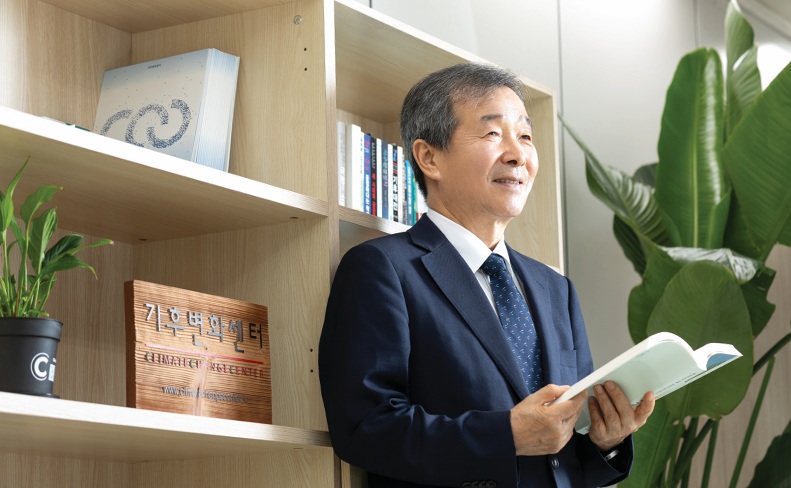
After 18 years of building expertise and trust at the forefront of Korea’s response to the climate crisis, Climate Change Center officially changed its legal name to Climate Change Foundation on September 1, embracing a broader role and greater responsibility.
Addressing the climate crisis now requires participation and collaboration across public policy, industry, technology, and civil society. This transition reflects our commitment to strengthening our public-interest mission and building a broader foundation for cooperation.
Climate Change Foundation will help shape the path forward through credible policy research and informed public dialogue, while delivering verifiable emissions reductions through projects around the world. We will also create more opportunities for young people and leaders across sectors to develop the knowledge and capacity to drive climate action together.
Moving Forward Together, Shaping Our Future.
With deeper expertise and a renewed commitment to serving the public interest, Climate Change Foundation will help shape our shared climate future.
|
|
|
Policy Field RE:VIEW From Measurement to Mitigation: Charting a Path for Methane Management Across the LNG Supply Chain |
|
|
Effective methane mitigation begins with accurate measurement and verification. Although methane remains in the atmosphere for a relatively short period, its powerful warming effect makes identifying emission sources and measuring actual emissions essential to effective mitigation policy. For Korea, which relies heavily on energy imports, a comprehensive management framework must address emissions from both domestic facilities and overseas liquefied natural gas (LNG) supply chains.
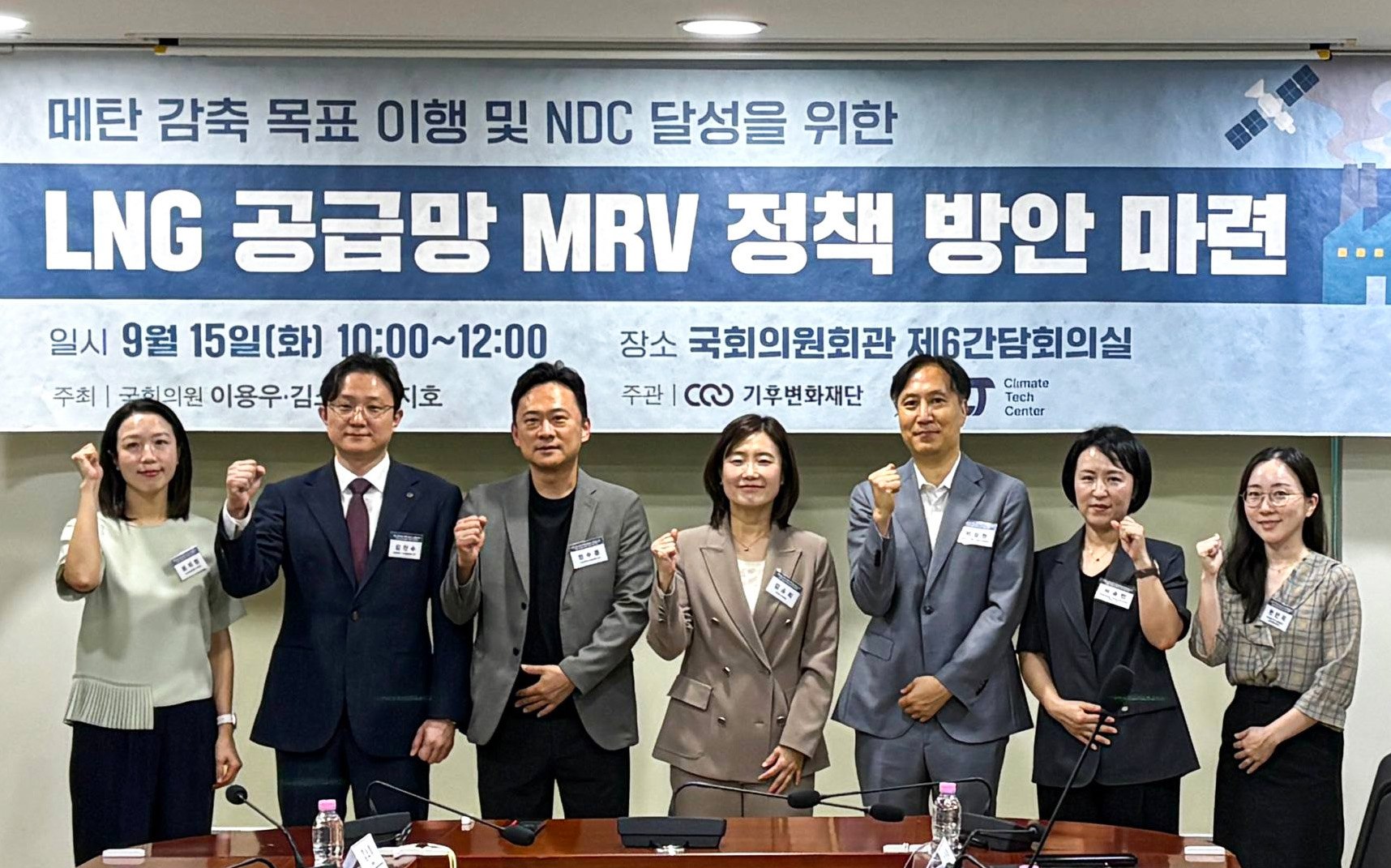
To address this challenge, Climate Change Foundation and Seoul National University’s Climate Tech Center jointly hosted a forum at the National Assembly Members’ Office Building on September 15. Titled “Developing LNG Supply Chain MRV Policies to Meet Methane Reduction Targets and Achieve Korea’s NDC”
The forum examined methane measurement findings from domestic LNG power plants and industrial complexes and discussed the need for emission source management and leak detection and repair (LDAR), as well as policy approaches across domestic and international LNG supply chains.
A central message emerged: data collected through measurement and verification must translate into tangible emissions reductions and effective regulatory frameworks. Participants also proposed a phased approach that includes integrating methane management into existing safety management systems and aligning supply chain practices with international standards while incorporating methane considerations into procurement and contracts.
Building on these discussions, Climate Change Foundation and Seoul National University’s Climate Tech Center will continue exploring ways to institutionalize methane MRV in Korea and develop a systematic approach to methane management across the LNG supply chain.
|
|
|
Climatus College Understanding Impacts on Daily Life, Preparing for Change: Public Lecture on Climate Adaptation & Launch of the Fifth SGI Youth+ Cohort |
|
|
Climate adaptation begins not only with preparing for major disasters, but also with understanding how our daily lives and the places around us are changing. Longer summers, changes in the food we eat, hotter cities, and shifting ocean conditions all demonstrate that climate change is already affecting many aspects of our lives. The task is to move beyond simply enduring these changes—to understand what is changing and work together to identify the responses we need.
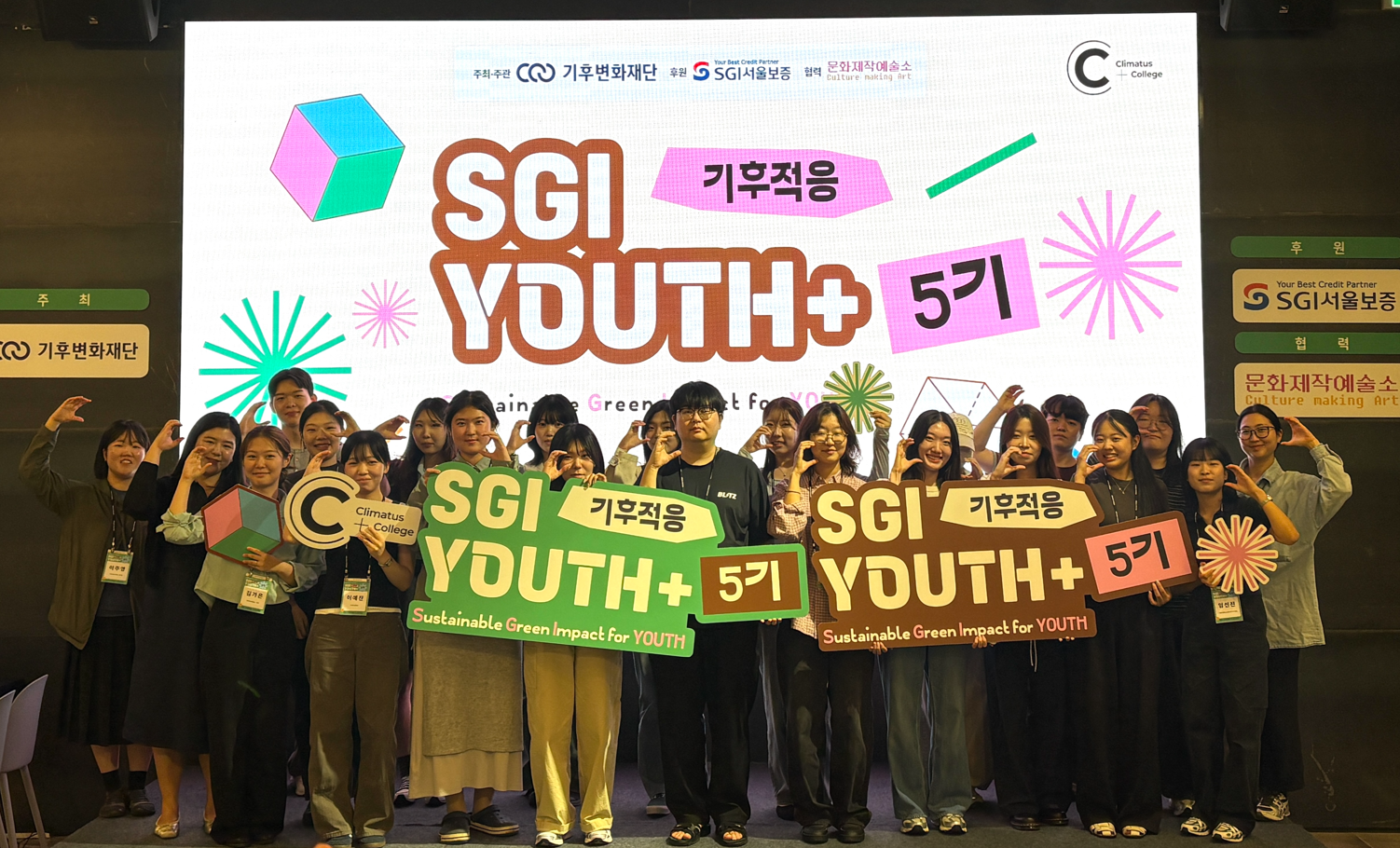
On September 11, the 2026 Climatus Public Lecture on Climate Adaptation was held alongside the launch ceremony for the fifth cohort of SGI Youth+, a youth climate action program. Guided by the question “What does adaptation mean to you?”, participants explored the effects of climate change on everyday life and the need for adaptation across society. Discussions also examined regional differences in climate risks, vulnerability, and response capacity.
Members of the fifth SGI Youth+ cohort then created “My Everyday Climate Map” by examining the places they spend time and the routes they travel. The activity encouraged participants to identify climate risks in their daily surroundings and consider what adaptation means in the places where they live.
There is no single answer to climate adaptation. It is an ongoing process of asking what we need to protect and how we should respond as conditions change. We hope this program will serve as a starting point for young people to recognize changes in their everyday lives and turn those observations into a deeper engagement with climate adaptation and practical action.
|
|
|
Carbon Market Brief Voluntary Carbon Market: Widening Supply Gap Between Avoidance and Removal Credits |
|
|
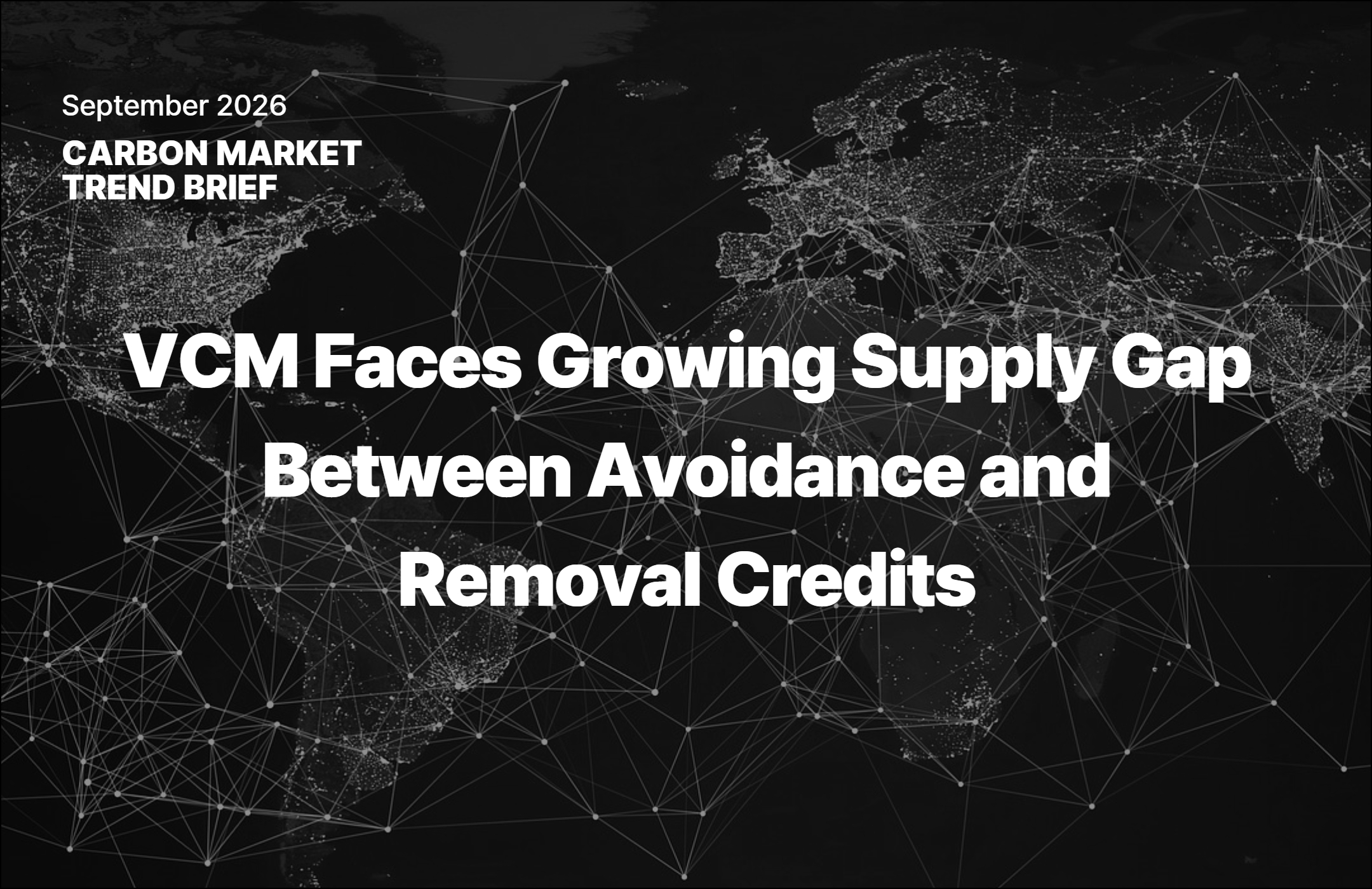
Supply conditions for avoidance and removal credits in the voluntary carbon market are expected to diverge further.
According to climate data analytics firm Climate Decode’s VCM Market Outlook 2026, a substantial inventory of avoidance credits has already accumulated, while new supplies of removal credits are expected to remain insufficient to meet growing demand. By 2036, demand for removal credits is projected to reach 120 million metric tons of carbon dioxide equivalent (MtCO₂e), compared with a supply of just 23 MtCO₂e—a shortfall of approximately 97 MtCO₂e. Durable carbon removal faces particular constraints: both current credit issuance and the pipeline for new supply remain limited, making it difficult to keep pace with rising demand.
These trends underscore the growing importance of accounting for differences in supply across credit types and technologies when developing corporate credit procurement strategies.
|
|
|
As implementation of Article 6 of the Paris Agreement gathers pace, requirements in the carbon credit market are evolving. Measuring emissions reductions and issuing credits alone are no longer sufficient. For credits intended for authorized international use under Article 6, host-country authorization, corresponding adjustments, and eligibility for international transfer are also essential.
The challenge is that higher integrity standards also increase project costs and risks. Requirements for quantifying and verifying emissions reductions are becoming more stringent, while the timing of authorizations and the volume ultimately available for transfer remain uncertain. Projects also face substantial upfront investment needs. Because emissions reductions generated in developing countries are tied to those countries’ own nationally determined contributions (NDCs), an approach that treats host countries merely as sources of credits has clear limitations. Sustaining international mitigation projects requires attention not only to emissions reductions, but also to the value they deliver to host countries through investment, technology, and benefits for local communities.
Predictable authorization procedures, financing structures that share upfront investment risks, project design informed by intended end-use markets, and tangible benefits for host countries are central to this effort. Ultimately, the carbon market’s task extends beyond raising integrity standards. It must also create the conditions for projects that meet those standards to be developed and bring credits to market.
|
|
|
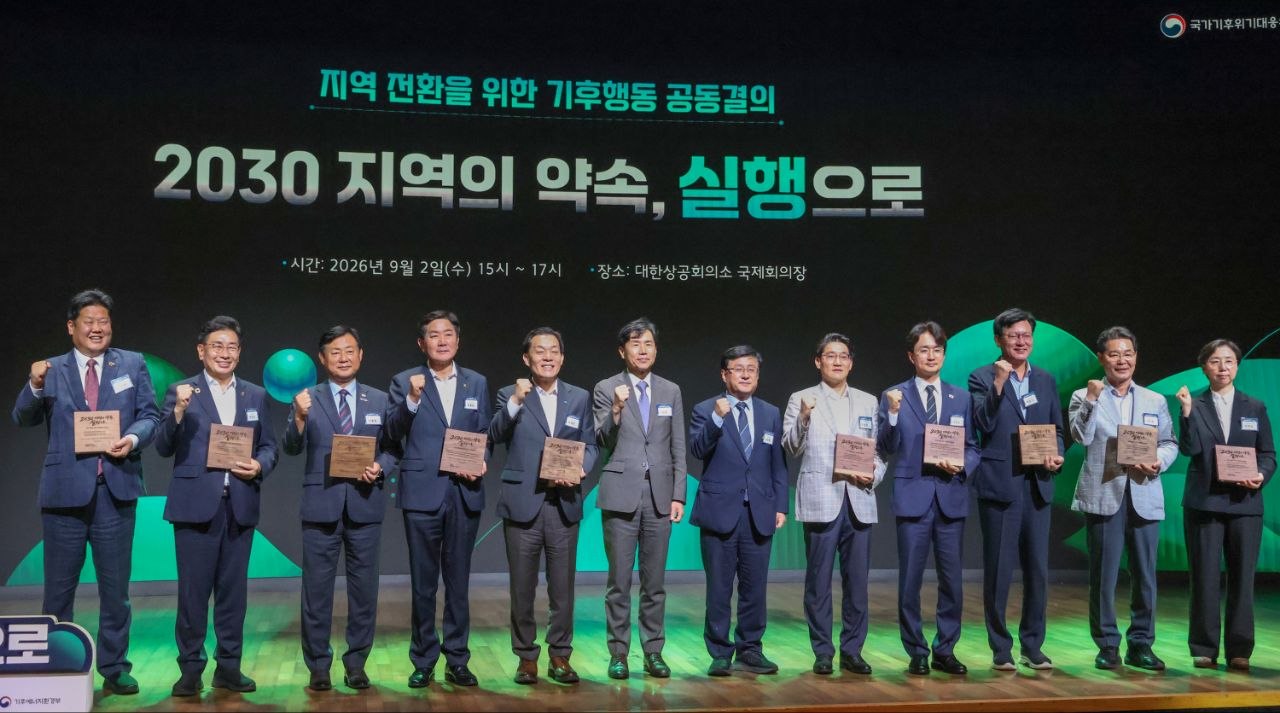
With the urgent task of achieving 2030 NDC targets, 40 local governments nationwide made climate action commitments on September 2, pledging to pursue concrete climate action throughout their current terms, tailored to local conditions and regional priorities. Learn more |
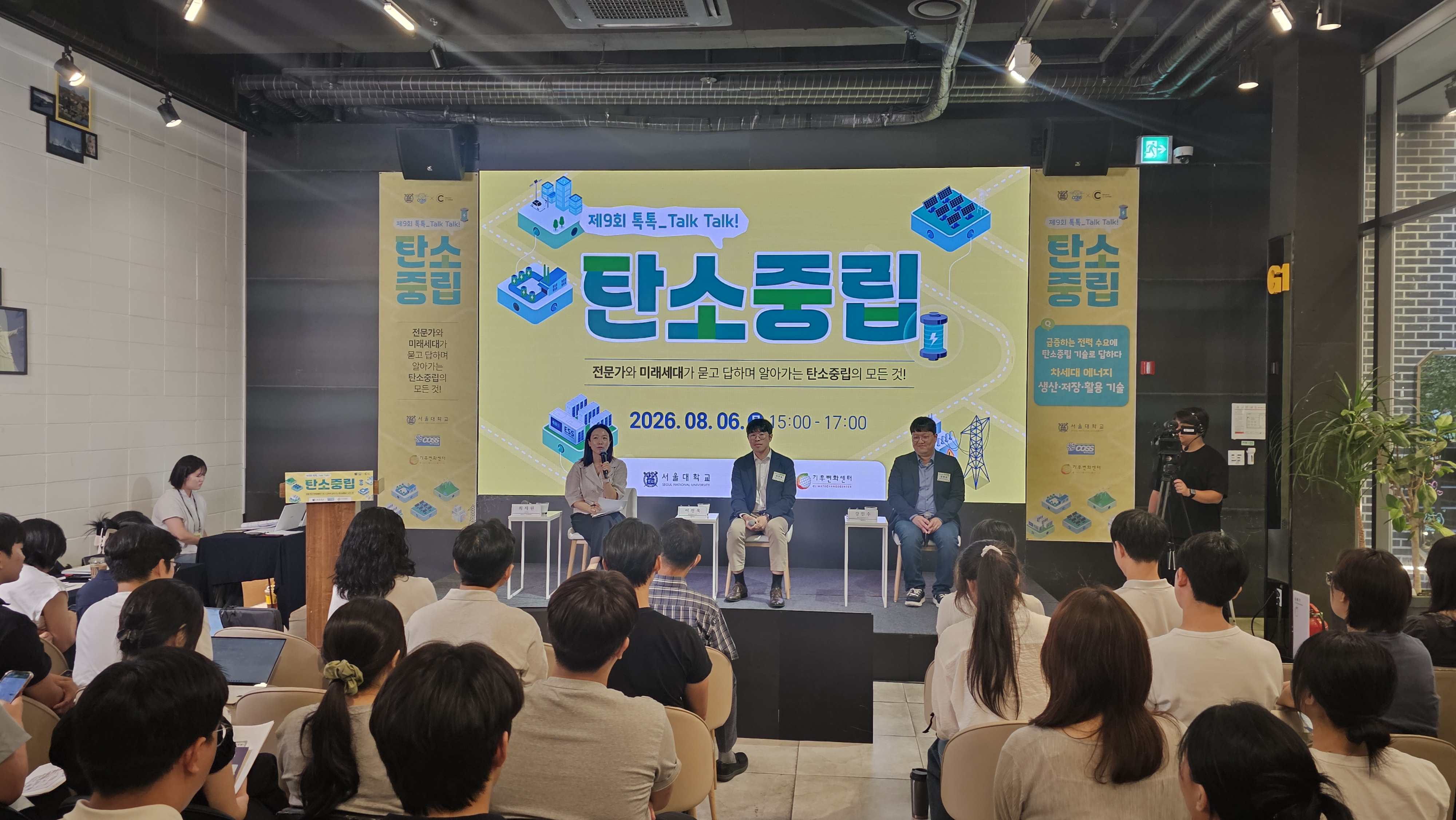
On August 6, the 9th “TALK, TALK! Carbon Neutrality: Energy Technology” explored how next-generation solar power, energy storage systems, and power grids can work together to meet rising electricity demand while advancing carbon neutrality. Learn more |
|
|
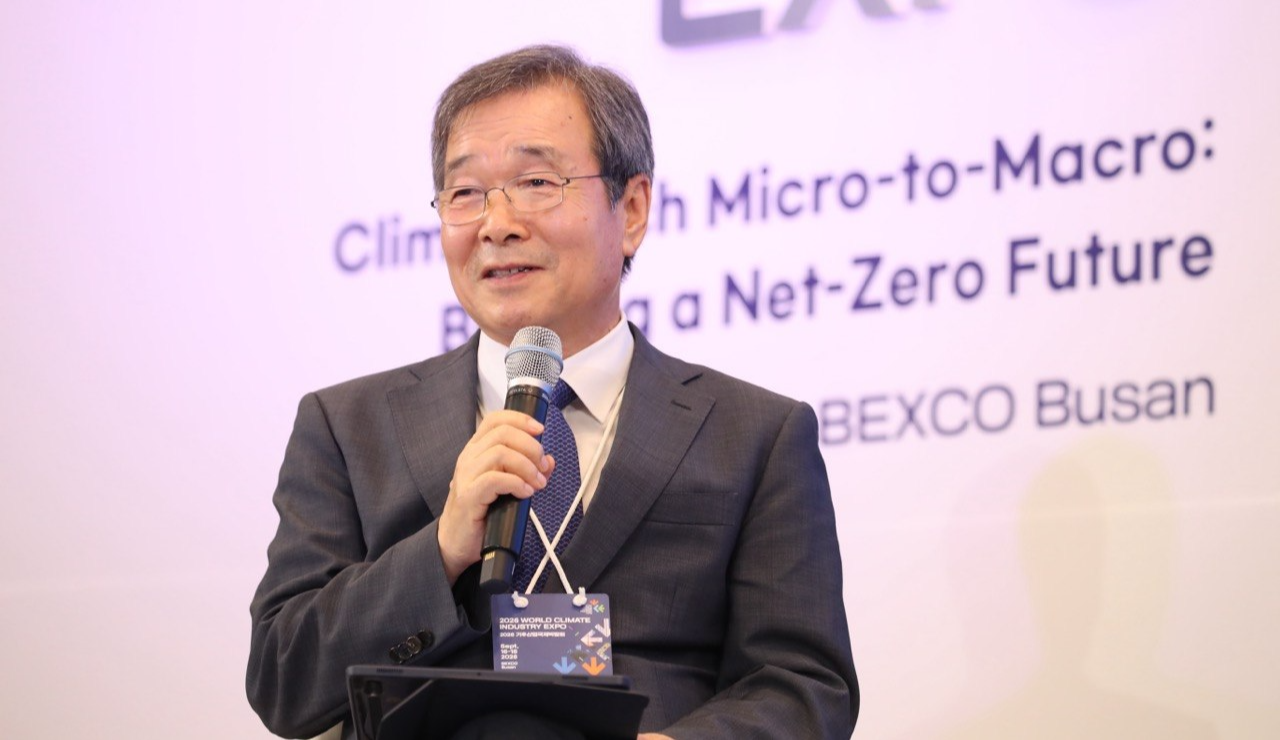
On September 16, Chairman Choi Jai-chul moderated the high-level dialogue session at the Global Climate and Energy Roundtable held during the 2026 World Climate Industry Expo (WCE), discussing changes in energy demand driven by AI expansion, clean energy deployment, and directions for international cooperation. Learn more |
|
|
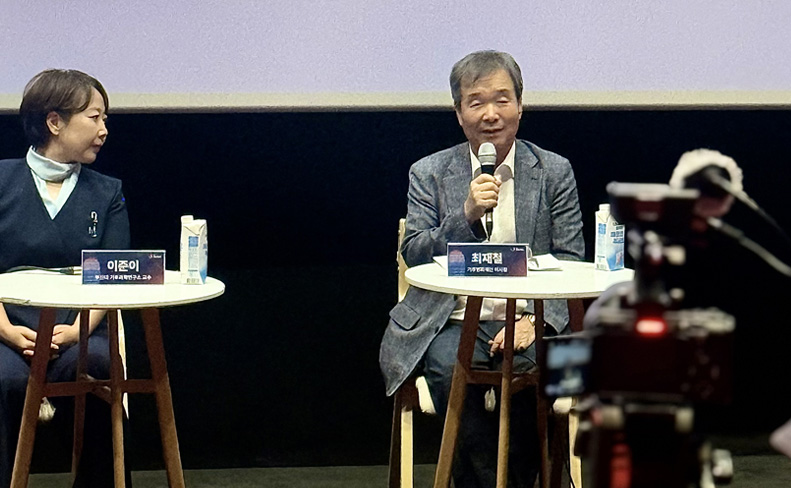
On September 5, Chairman Choi Jai-chul attended the Blue Planet Future Festival in Busan and participated in a post-screening discussion of We Must Survive, engaging in an in-depth discussion with Professors Baek Min Kim and Jun-Yi Lee on scientific solutions to the climate crisis and practical steps for the future. Learn more |
|
|
In August, Chairman Choi Jai-chul shared recommendations through media interviews on strengthening power sector resilience for climate adaptation, including redesigning power grids to address increasing extreme weather events and shifting toward data-driven risk management systems. Learn more |
|
|
🍀Be part of our journey!
Even a small gesture can help create a healthier planet.
Donation Account : Woori Bank 1005-901-949649
Account Holder : Climate Change Foundation
|
|
|
|
ⓒ Climate Change Foundation. All right reserved.
|
|
|
|
|