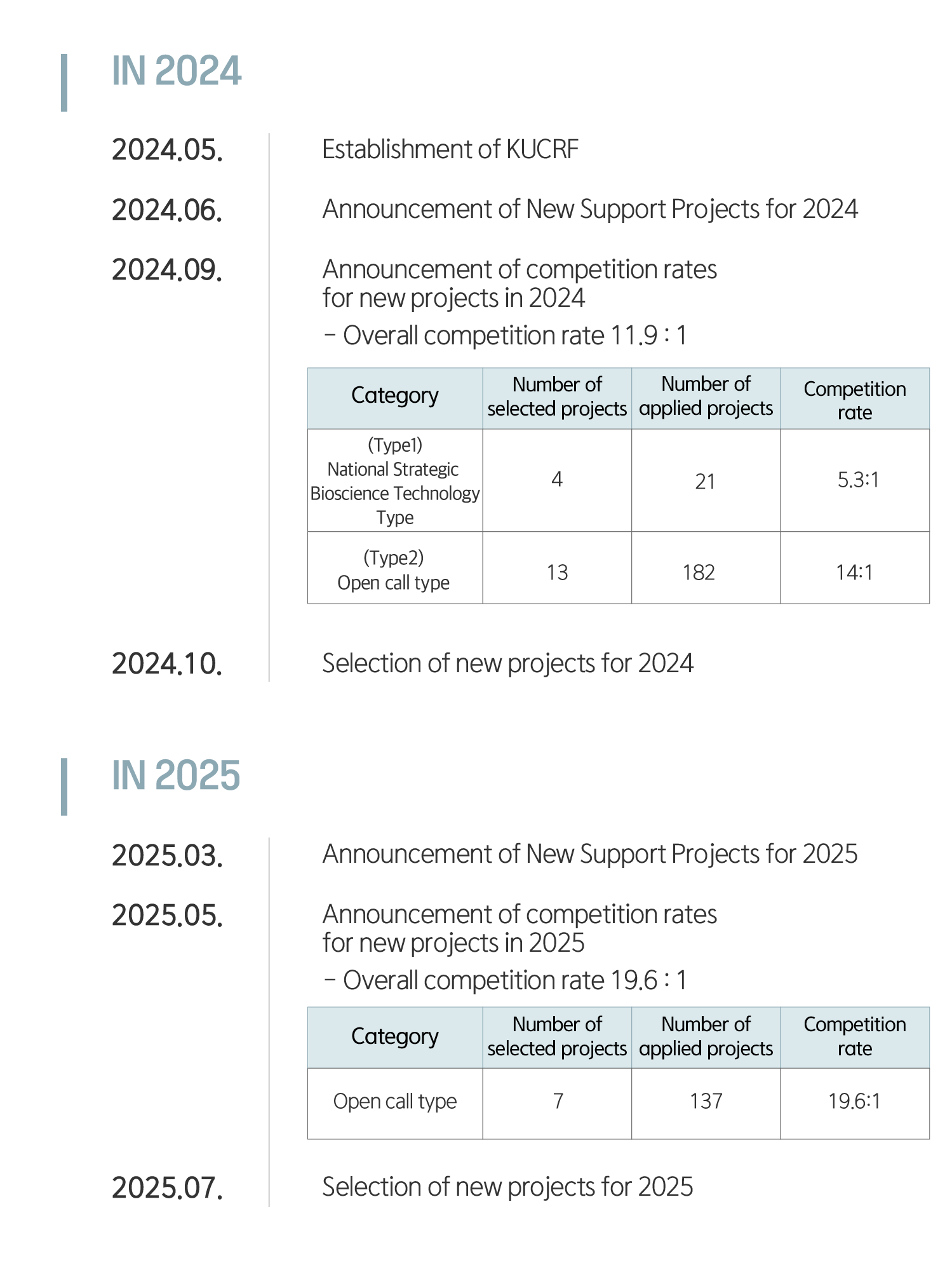
KUCRF Newsletter Vol. 01
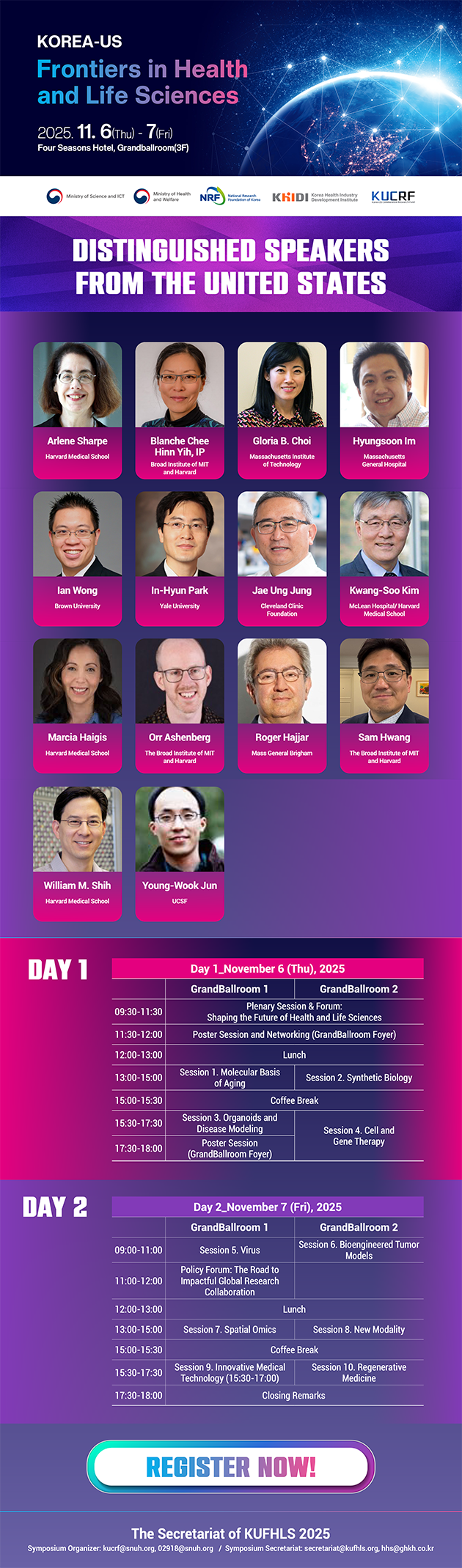
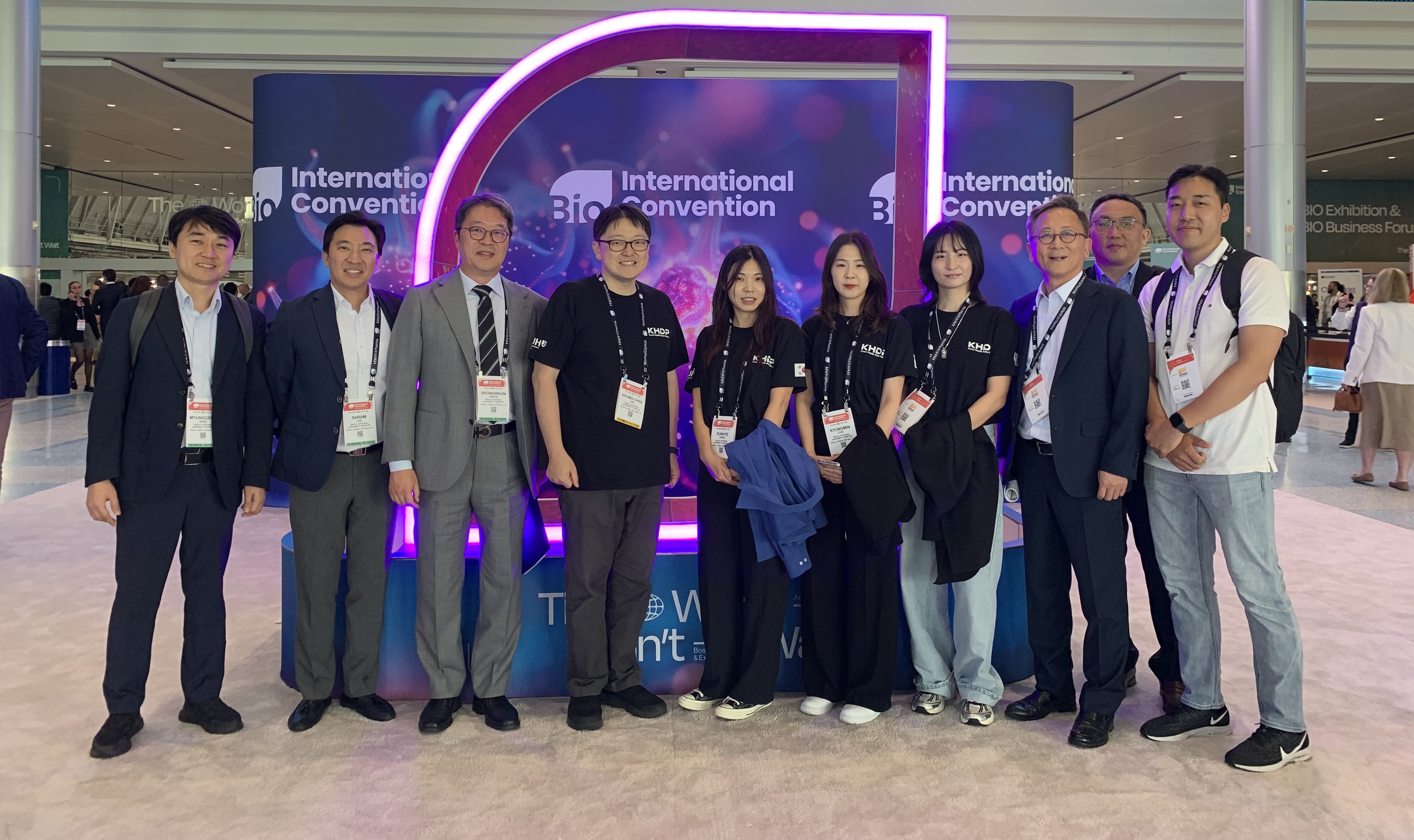
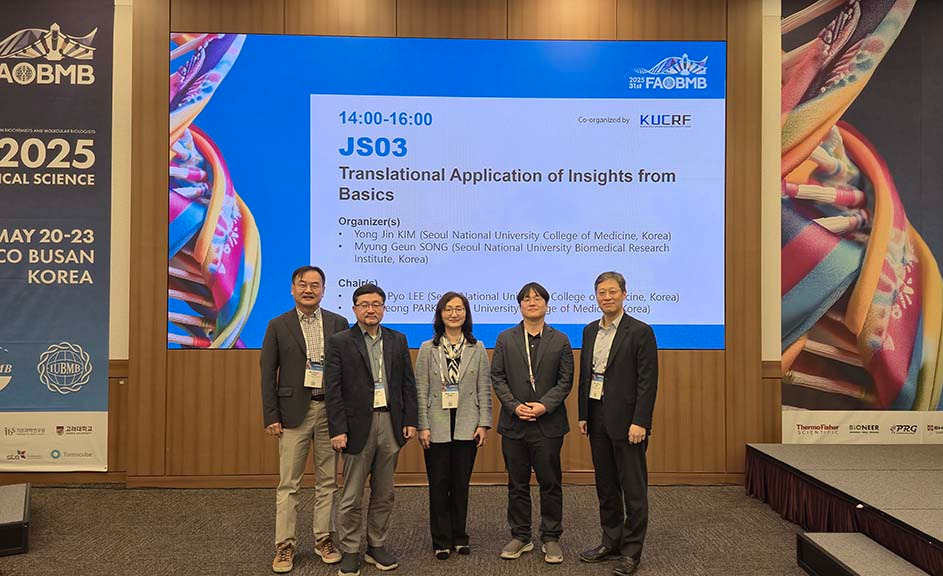
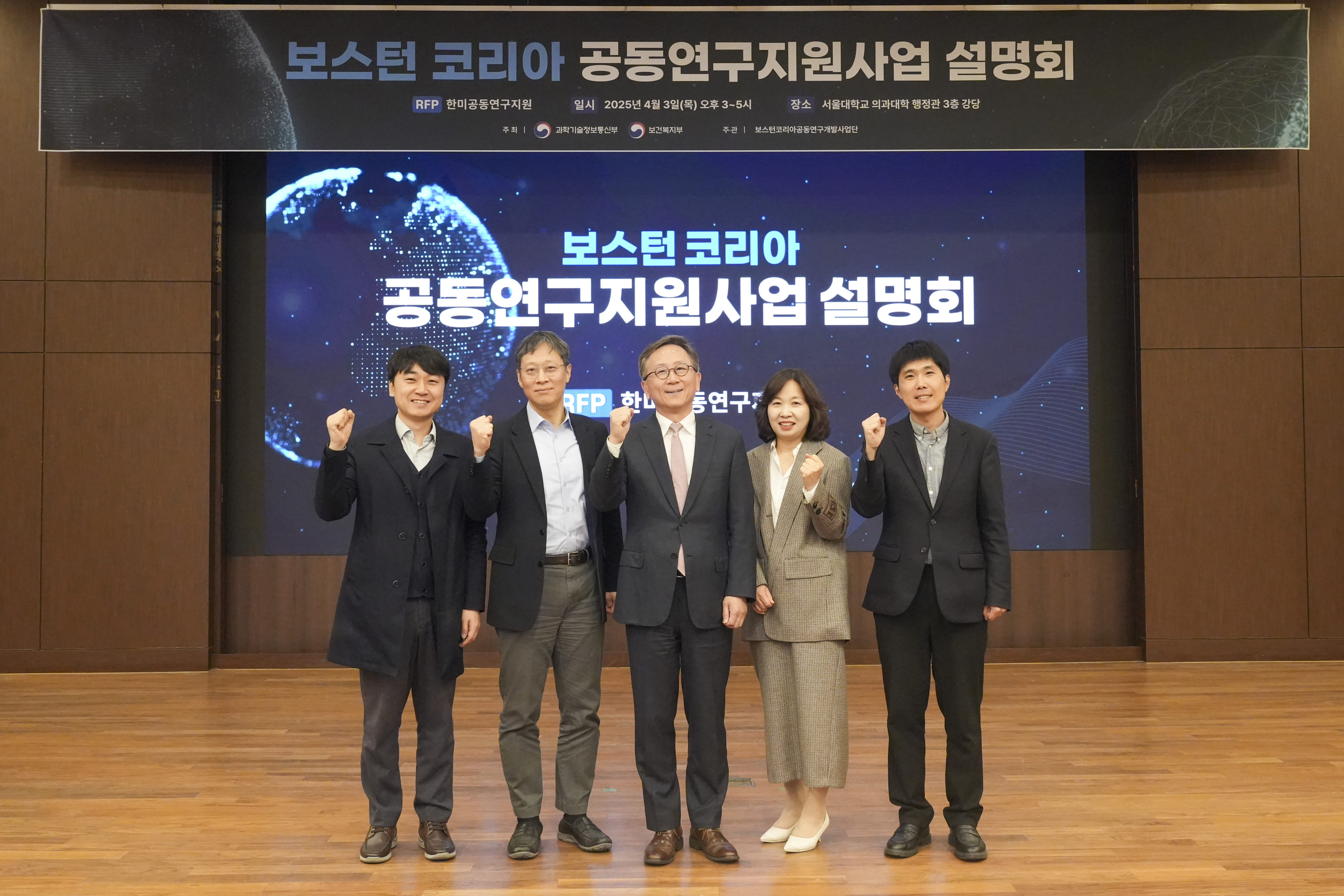
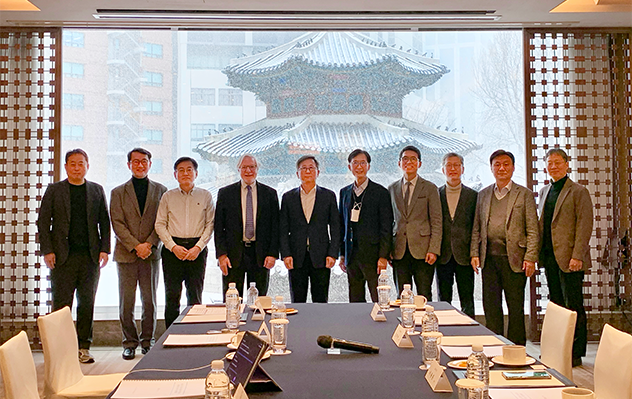
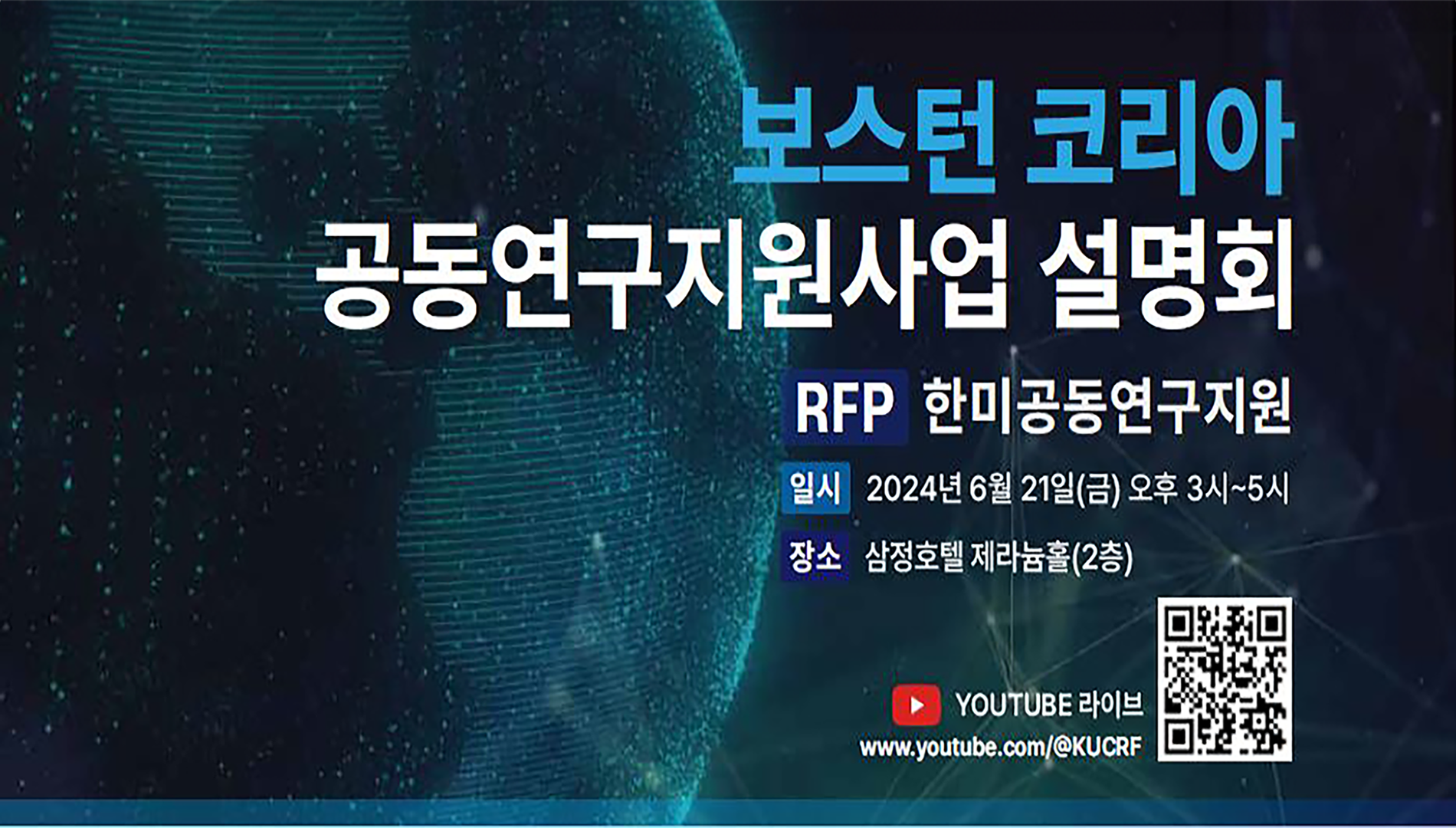
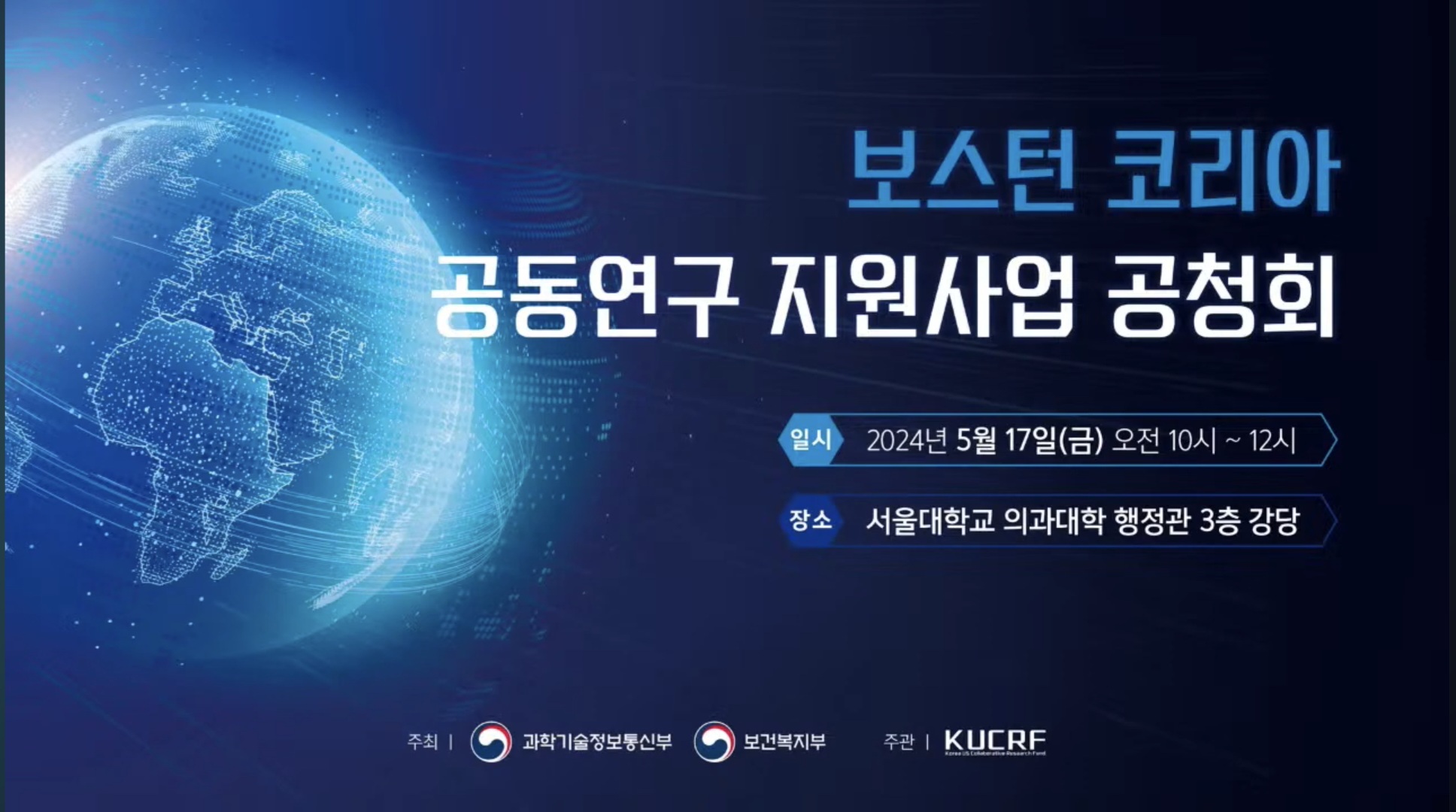
- Event Name: KOREA-US Frontiers in Health and Life Sciences (KUFHLS)
- Date: 2025. 11. 6(Thu) ~ 7(Fri)
- Venue: Four Seasons Hotel, Grandballroom (3F)
- Hosted /Organized by
Hosted by: Ministry of Science and ICT(MSIT), Ministry of Health and Welfare(MOHW), National Research Foundation of Korea(NRF), Korea Health Industry Development Institute(KHIDI)
Organized by: Korea US Collaborative Research Fund(KUCRF)
- Official Language: English
- Participants: Domestic and international researchers in the field of biotechnology
|
|
|
📌About the Research Consortium
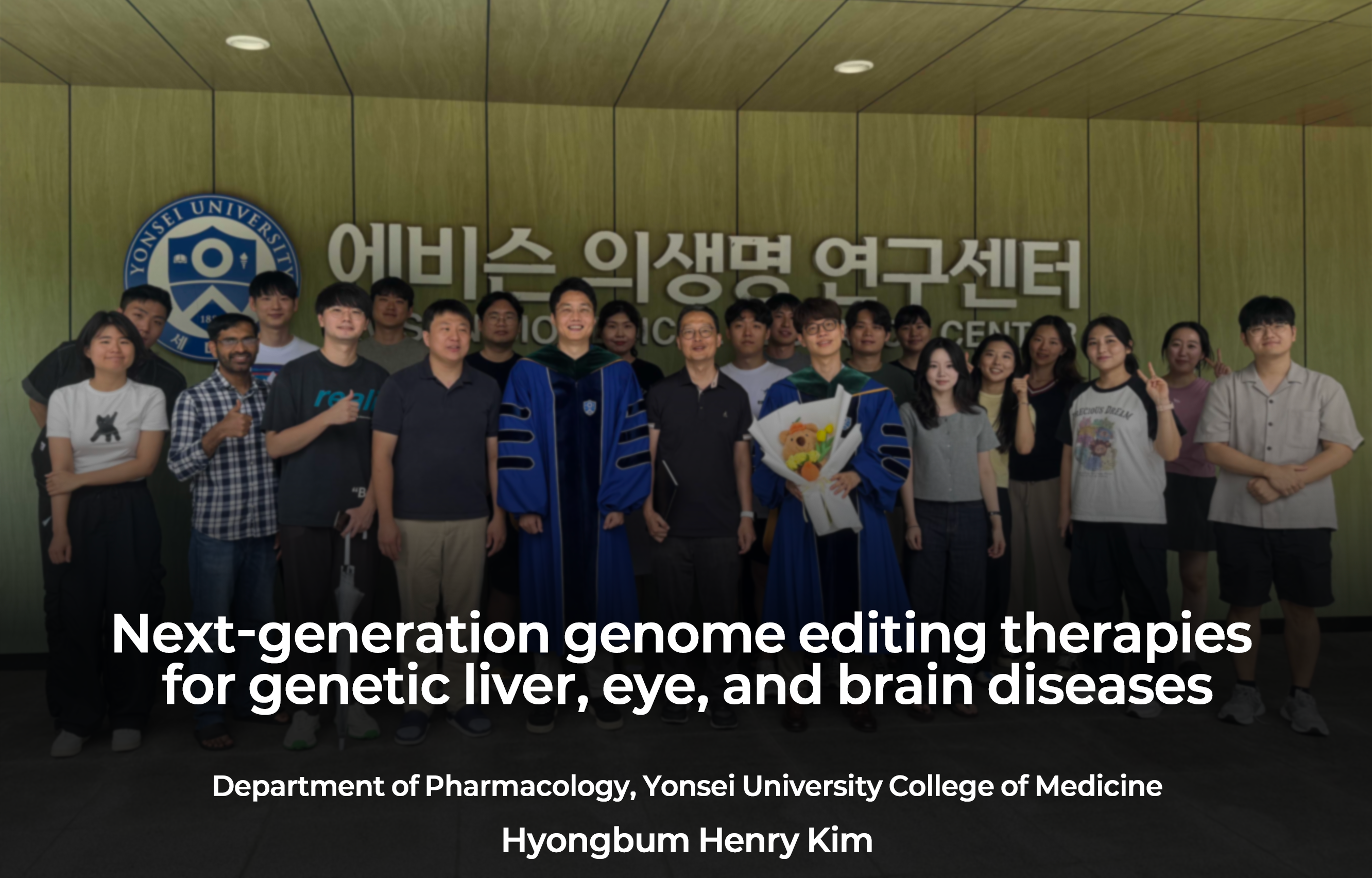
This study is a collaborative effort among four research institutions: Prof. Hyongbum (Henry) Kim’s lab at Yonsei University College of Medicine, Prof. Jung-Hoon Kim’s lab at Seoul National University College of Medicine, Prof. David Liu’s lab at the Broad Institute, and Prof. Young Wook Jun’s lab at UCSF.
Prof. Hyongbum Kim’s lab at Yonsei University conducts comprehensive research on next-generation gene-editing technologies, focusing on the following areas:
-
Improving the efficiency of gene-editing tools
-
Predicting gene-editing efficiency using artificial intelligence
-
Functional analysis of cancer-related mutations through large-scale gene-editing screening
-
Developing therapeutic applications for disease models using advanced gene-editing systems
📌About the Research
This study aims to evaluate the therapeutic efficacy and potential side effects of the latest gene-editing systems—PE7 (Prime Editor 7) and CAST (CRISPR-Associated Transposase)—in mouse models of various intractable genetic diseases, including hemophilia, X-linked retinoschisis, Leber congenital amaurosis, autism spectrum disorder, and congenital hearing loss.
The ultimate goal is to establish curative treatments for genetic disorders affecting the eye, liver, ear, and brain. While current clinical approaches primarily focus on symptom management, this research seeks to directly correct disease-causing mutations using gene-editing tools and to evaluate their therapeutic outcomes and safety profiles. The results are expected to provide critical data for enabling clinical translation of gene-editing therapies.
📌Motivation for the Research
Intractable genetic disorders often arise from a range of germline mutations. Because curative treatment requires direct mutation correction, most current clinical approaches remain symptomatic.
Gene-editing technologies, which have evolved since their discovery in 2012, can precisely introduce, correct, or insert large genetic materials at targeted DNA sequences. Inspired by these possibilities, our team initiated this preclinical study using the latest platforms—PE7 and CAST—to explore therapeutic applications across multiple genetic diseases.
📌Expected Beneficiaries and Impact
If successful, this study will mark a significant milestone in applying gene-editing therapy to patients with rare and intractable genetic disorders. It is expected to enable a shift from symptomatic management to precise, mutation-correcting treatments, offering hope of true cures to patients and families affected by these conditions.
📌Long-term Societal and Industrial Impacts
Although the potential of the gene-editing market is widely recognized, clinical applications are still in their infancy, with only one approved product worldwide (Casgevy).
The success of this research could position Korea as a leading player in the global medical and biotechnology sectors, fostering growth in life science research and creating new employment opportunities. Furthermore, by providing fundamental treatments to patients with genetic disorders, the study is expected to improve quality of life and welfare levels while contributing to the reduction of unnecessary healthcare costs.
📌Major Achievements to Date
One of the key outcomes involves identifying mutations in the ATM gene that increase cancer susceptibility using prime editing (PE).
By introducing 27,513 mutations into the ATM gene via the PE system, the research team evaluated their functional impact through high-throughput screening. Leveraging this dataset, a deep learning model was developed to predict the functional consequences of untested variants.
This work represents a major advancement in rapidly and comprehensively assessing Variants of Unknown Significance (VUS), accelerating the ability to evaluate the relationship between genetic alterations and loss of gene function. The results are expected to provide important clinical guidelines for assessing cancer risk and guiding personalized anticancer drug selection.
|
|
|
📌About the Research Consortium
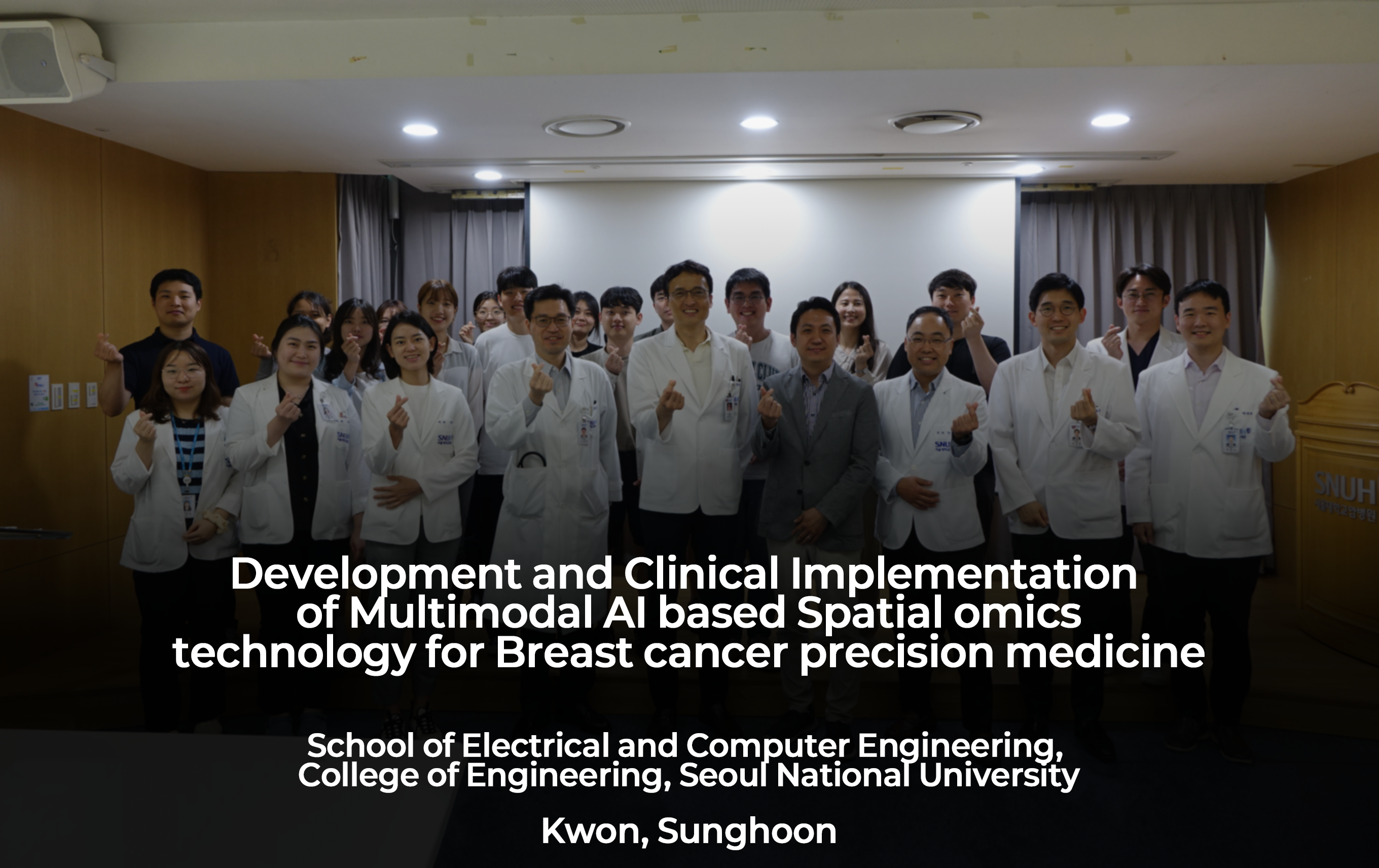
This study is a joint effort by six leading research institutions from Korea and the United States: Seoul National University, Seoul National University Hospital, DCGen, MeteoBiotech, Harvard University, and Massachusetts General Hospital. Each institution brings unique expertise in advanced cancer analysis technologies such as pathology AI and spatial omics, as well as validation platforms including patient-derived organoids and liquid biopsy. By integrating these cutting-edge capabilities, the consortium aims to create synergistic innovations for next-generation cancer research.
Our team unites experts across cancer biology, artificial intelligence, engineering, and clinical medicine with a shared commitment to conquering cancer through multidisciplinary collaboration.
📌About the Research
The goal of this study is to realize precision medicine in breast cancer by integrating spatial omics with multimodal artificial intelligence technologies. By analyzing tumor heterogeneity within the spatial context of the tumor microenvironment, we aim to develop patient-specific biomarkers for diagnosis, treatment, and recurrence prediction.
Contrary to common belief, a tumor is not composed of identical cancer cells. Within it are both “responsive” cells that react well to therapy and “resistant” cells that persist despite treatment. Our research employs AI navigation to map tumor tissues and locate regions where these resistant cells hide. Using laser-based precision isolation technology, we extract and analyze only those localized cells to uncover their molecular features. This approach enables us to reveal the fundamental causes of cancer recurrence and to pioneer personalized treatment strategies tailored to each patient—a step toward a new era of customized breast cancer therapy.
📌Motivation for the Research
The greatest challenge in cancer treatment lies in tumor heterogeneity. Even within a single tumor, drug-sensitive and drug-resistant cancer cells coexist. A small population of resistant cells can survive chemotherapy and trigger recurrence. These cells often cluster in specific spatial niches within the tumor microenvironment, making them difficult to detect and characterize using conventional techniques.
To overcome this limitation, our research integrates AI-based risk prediction with spatial omics to precisely identify and analyze the molecular properties of resistant cancer cells. Furthermore, to translate our findings into clinical application, we utilize organoid models and liquid biopsy technologies to explore novel therapeutic approaches and develop easy-to-perform blood-based recurrence detection methods, supporting the implementation of truly practical precision oncology.
📌Beneficiaries and Expected Impact
The most direct beneficiaries of this research will be breast cancer patients. By leveraging AI and spatial omics analyses, our technology enables more accurate prediction of recurrence risk, reducing unnecessary chemotherapy while identifying drug resistance in advance. This allows clinicians to design the most effective personalized treatment strategies for each patient. In addition, post-treatment monitoring using simple blood tests for early recurrence detection is expected to dramatically improve patient survival and quality of life.
📌Long-term Societal and Industrial Impacts
In the long run, this research will accelerate the transition of cancer therapy from the conventional “standard-of-care” paradigm to an era of “ultra-precise personalized medicine.” This shift will have profound industrial implications, enhancing success rates in drug development by revealing the mechanisms of drug resistance and facilitating the discovery of new therapeutic targets.
Ultimately, by being the first in the world to clinically apply Korea’s combined strengths in AI and biotechnology through an innovative medical platform, this project is expected to establish Korea as a global leader in precision medicine while generating substantial socioeconomic value.
📌Major Achievements
Our team has been actively investigating the interplay between tumor heterogeneity and the immune microenvironment. A major achievement was demonstrating that PD-L1 expression levels are a key determinant of immune checkpoint inhibitor response in breast cancer patients. The findings provide critical evidence for developing personalized immunotherapy strategies, particularly for triple-negative breast cancer. We also revealed that excessive PD-L1 expression suppresses T-cell infiltration and activation, offering insights into the functional dynamics of the tumor-immune interface.
📌Quantitative Outcomes and Notable Discoveries
We have generated an extensive dataset exceeding 140–200% of initial goals, now encompassing approximately 600 cases of matched pathology images and genomic data. Based on this dataset, our recurrence prediction model achieved a performance improvement of over 8% compared to existing benchmarks (C-index +0.054) and successfully produced clinically interpretable RNA maps directly from pathology images.
The most striking discovery was that the conventional H&E-stained images—used for decades in pathology—harbor vast, previously untapped molecular information. Deep AI analysis of these images revealed that molecular-level data, such as the expression of specific genes, can be inferred directly from tissue morphology. This discovery highlights a profound link between structural and molecular characteristics, suggesting a transformative shift in how cancer diagnostics and pathology will be conducted in the future.
|
|
|
📌About the Research Consortium
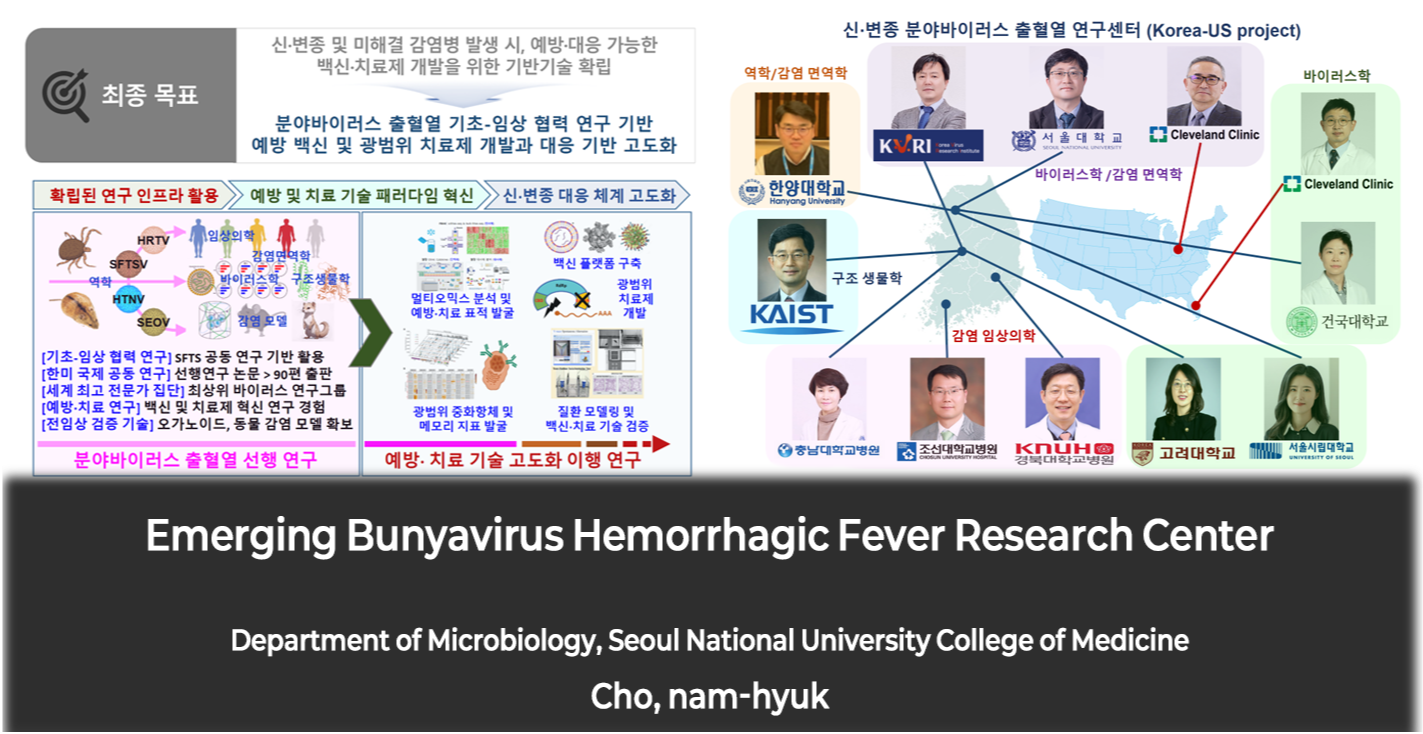
This research team comprises 12 experts actively studying viral infectious diseases at Seoul National University College of Medicine, the Cleveland Clinic (U.S.), and the Korea Virus Research Institute. The team investigates the pathogenic evolution of hemorrhagic fever viruses such as the Hantaan virus, SFTSV, and HRTV; studies pathogenic mechanisms of severe disease through patient sample analysis; and conducts research on vaccine and therapeutic development.
Beyond basic virology, the team integrates clinical information and biological specimens from domestic patients to identify the causes of disease severity, develop predictive biomarkers, and design broad-spectrum antiviral therapeutics and next-generation multivalent vaccines. The ultimate goal is to establish a scientific foundation for the prevention and control of highly pathogenic viral diseases.
📌About the Research
The Center for Emerging Viral Hemorrhagic Fever Research focuses on combating infections caused by novel and re-emerging viral pathogens with high fatality rates and epidemic potential, such as Severe Fever with Thrombocytopenia Syndrome Virus (SFTSV) and Hantaan virus. These viruses are particularly dangerous for the elderly and immunocompromised, as they can cause life-threatening hemorrhagic fevers.
Through the collaboration of Korean and U.S. researchers, clinical specimens—including patient blood, bone marrow cells, and cerebrospinal fluid—are collected and analyzed to elucidate the mechanisms of disease progression and immune response. The research aims to uncover the biological principles of viral pathogenesis, develop and stabilize new vaccine candidates, discover broad-spectrum antiviral agents, and validate their efficacy through animal models.
Ultimately, the project seeks to establish predictive biomarkers for disease progression, identify antiviral and anti-inflammatory drug targets, and develop multivalent vaccine platforms capable of protecting against multiple viral species. These efforts aim to strengthen public health preparedness and medical security at both national and global levels.
📌Motivation for the Research
As demonstrated during the COVID-19 pandemic, sudden outbreaks and the rapid spread of novel viral pathogens can cause devastating consequences worldwide. Such outbreaks have occurred repeatedly throughout history, and predicting the next causative virus remains extremely challenging. Therefore, there is an urgent need to build a scientific foundation for preventive and therapeutic strategies targeting highly fatal RNA viruses that pose global health threats.
This project brings together leading U.S. and Korean experts who have long studied hemorrhagic fever viruses to collaboratively develop universal preventive and therapeutic technology platforms. These platforms are designed to enhance preparedness and effectively respond to future infectious disease crises.
📌Beneficiaries and Expected Impact
If successful, the results of this study will directly benefit domestic and international patients suffering from viral hemorrhagic fevers, particularly the elderly and immunocompromised who face the highest mortality risks. The vaccines and therapeutics developed through this project are expected to substantially reduce medical costs in aging societies and contribute to ensuring longer, healthier lives through effective disease management.
📌Long-term Societal and Industrial Impacts
This research will establish a fundamental scientific framework for early detection and rapid response to emerging viral threats. By developing advanced platforms for vaccine and antiviral drug design, it will strengthen our ability to address not only current infectious diseases but also future pandemic scenarios. The project thus supports national biosecurity and contributes to the advancement of the global biotechnology industry.
📌Major Achievements to Date
Although only one year has passed since the start of this collaborative project, several manuscripts based on preliminary findings are currently under review in high-impact international journals. In parallel, research on therapeutic neutralizing antibodies, vaccine development, and patient sample analyses is actively underway, laying the groundwork for major discoveries.
📌Quantitative Outcomes and Notable Findings
The project expects to collect and analyze over 45 clinical cases of viral hemorrhagic fever annually. Building on these data, research into broad-spectrum antiviral drugs and multivalent vaccine platforms is progressing rapidly. During the second phase of the project, outcomes with global recognition in the field of emerging viral therapeutics are anticipated, highlighting Korea’s growing leadership in infectious disease research. |
|
|
You can check out more details about each research project
in the upcoming introduction videos
that will be uploaded on the "KUCRF" Office YouTube channel!
(Subscribe and turn on notifications to be the first to watch them 😁) |
|
|
If you subscribe,
you will be the first to receive a variety of updates
from KUCRF Office every quarter. |
|
|
Korea US Collaborative Research Fund(KUCRF)101, Daehak-ro, Jongno-gu, Seoul 03080, Republic of Korea(Yeongeon-dong 28, Seoul)Unsubscribe |
|
|
|
|