Climatus College Revealing Three Years of On-Campus Data: The “Campus Climate Gap” Comes Into Clear View
|
|
|
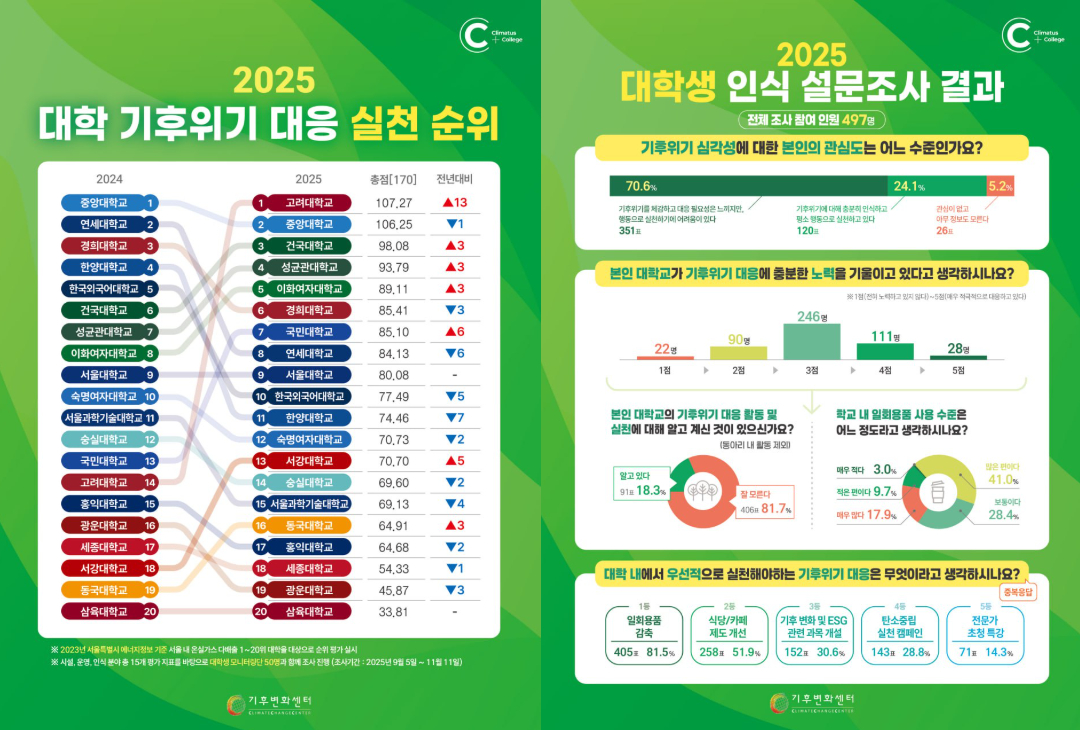
On December 5, the Climate Change Center released the results of the 2025 University Climate Action Performance Assessment, conducted for the 20 universities with the highest greenhouse gas emissions in Seoul. This year’s assessment once again revealed pronounced differences in how universities are responding to the climate crisis—differences that directly align with the three-year trajectory of on-site, evidence-based evaluation the Center has been building.
The assessment is grounded in fieldwork carried out by 50 Climatus College student climate activists, who visited campuses over a three-month period and conducted detailed reviews across 15 quantitative and qualitative indicators encompassing facilities, operations, and campus-wide awareness. Focusing on the core question—“Is climate action actually functioning in students’ daily campus experience?”—the evaluation examined both institutional measures and on-the-ground implementation.
While top-performing universities demonstrated tangible progress by strengthening essential infrastructure, administrative systems, transparency, and participation mechanisms, several universities were found to require structural improvements at the foundational level. Importantly, this year’s findings go beyond a one-year snapshot.
By comparing and tracing performance across three years of accumulated data, the assessment provides meaningful insight into each university’s implementation trajectory. Based on the structural issues identified through this year’s fieldwork, the Climate Change Center will continue working closely with universities to build practical and effective climate-response systems, and to support the creation of campus environments where students can experience climate action in their daily lives.
|
|
|
Policy Field RE:VIEW East Asia Climate Dialogue 2025 launches: a new regional platform in a region that is both the center of emissions and the crucial testbed for mitigation |
|
|
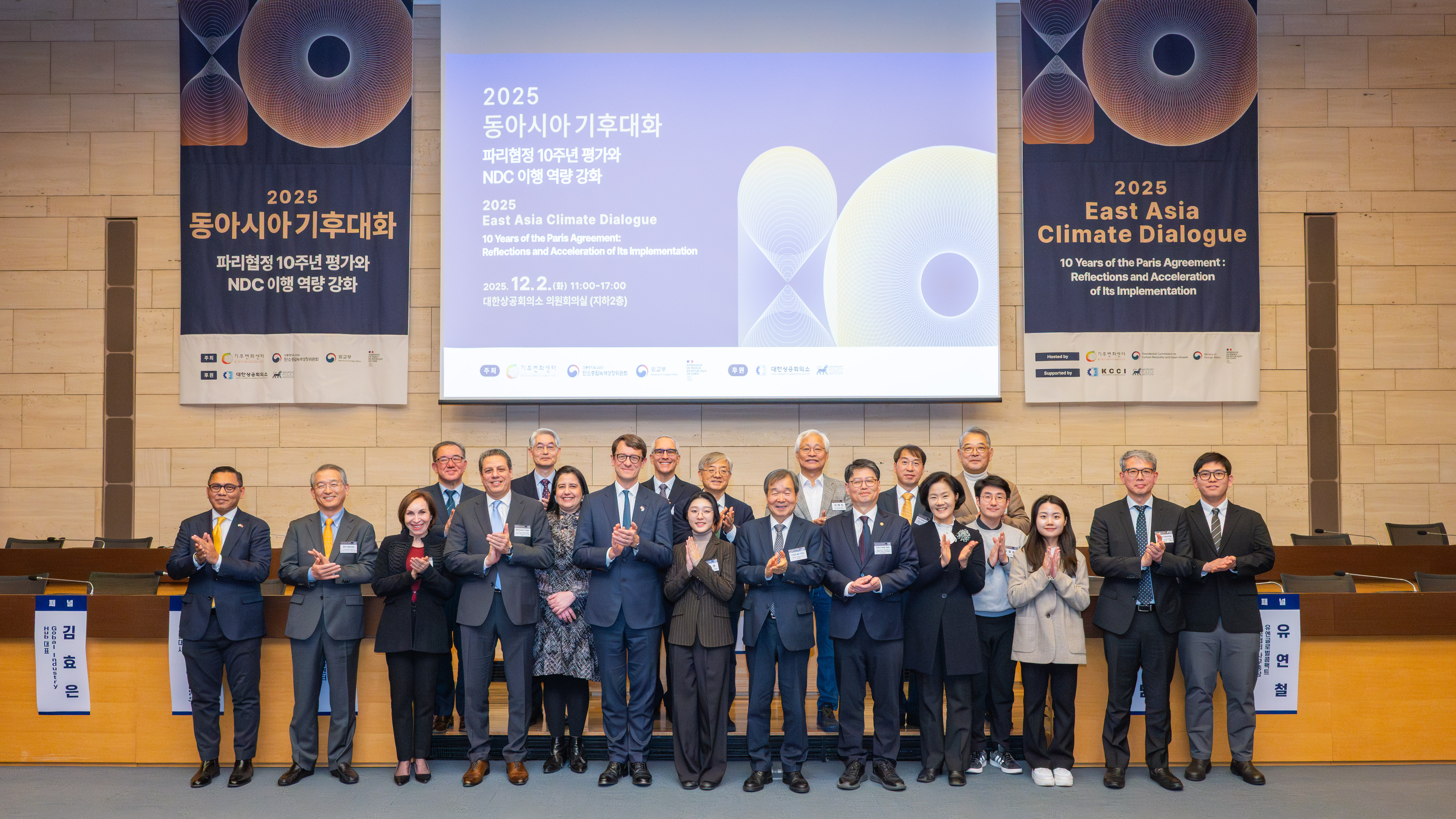
On December 2, the Climate Change Center, together with the Presidential Commission on Carbon Neutrality and Green Growth, the Ministry of Foreign Affairs, and the Embassy of France to the Republic of Korea, hosted the 2025 East Asia Climate Dialogue – 10 Years of the Paris Agreement: Reflections and Acceleration of Its Implementation at the Korea Chamber of Commerce and Industry. The Dialogue was convened at a pivotal moment: the 10th anniversary of the Paris Agreement, the beginning of the post-COP30 era shaped by enhanced 2035 NDCs, and a growing need for joint implementation frameworks across East Asia. In a region that produces more than half of global energy-related CO₂ emissions, East Asia—both the center of emissions and the testbed for mitigation—now holds critical significance in translating the momentum built in Paris, Belém, and Seoul into a new phase of regional cooperation.
To underscore this historic moment, the Dialogue brought together high-level speakers including Hoesung Lee, 6th Chair of the IPCC and Founding Chair of the Carbon-Free Alliance; Ban Ki-moon, 8th Secretary-General of the United Nations; Kim Yong-soo, Administrator, 2050 Carbon Neutrality & Green Growth Commission; H.E. Philippe Bertoux, Ambassador of France; and H.E. Márcia Donner Abreu, Ambassador of Brazil. Their messages collectively highlighted the need to reinforce the spirit of the Paris Agreement, strengthen strategies for 2035 NDC implementation, and rebuild multilateral cooperation across East Asia.
A special keynote by H.E. Laurent Fabius, former Prime Minister of France and President of COP21, together with a thematic presentation by Keeyong Chung, Former Ambassador for Climate Change, Ministry of Foreign Affairs (’24-’25), emphasized the region’s core tasks for the 2035 NDC era: enhancing ambition, implementation, and transparency, and building a regional joint-implementation model rooted in carbon markets and climate finance.
A subsequent discussion featuring five former Korean Climate Change Ambassadors (Shin Boo-nam, Choi Jai-chul, Kim Chan-woo, Yoo Yeon-chul, and Hyoeun Kim), along with a multi-stakeholder session involving representatives from government, industry, local communities, and youth, underscored an important milestone: this Dialogue marks the first formal platform that brings together all key implementation actors across East Asia.
As Korea positions itself as a proactive middle power in the region, the 2025 Dialogue serves as a starting platform to design East Asia’s next-generation climate cooperation architecture and develop the shared norms and implementation models required for the 2035 NDC era. You can explore more insights and on-site highlights through the link below.
|
|
|
Carbon Market Brief Beyond Tons: A Carbon Market Measured by Value, Not Just Reductions |
|
|
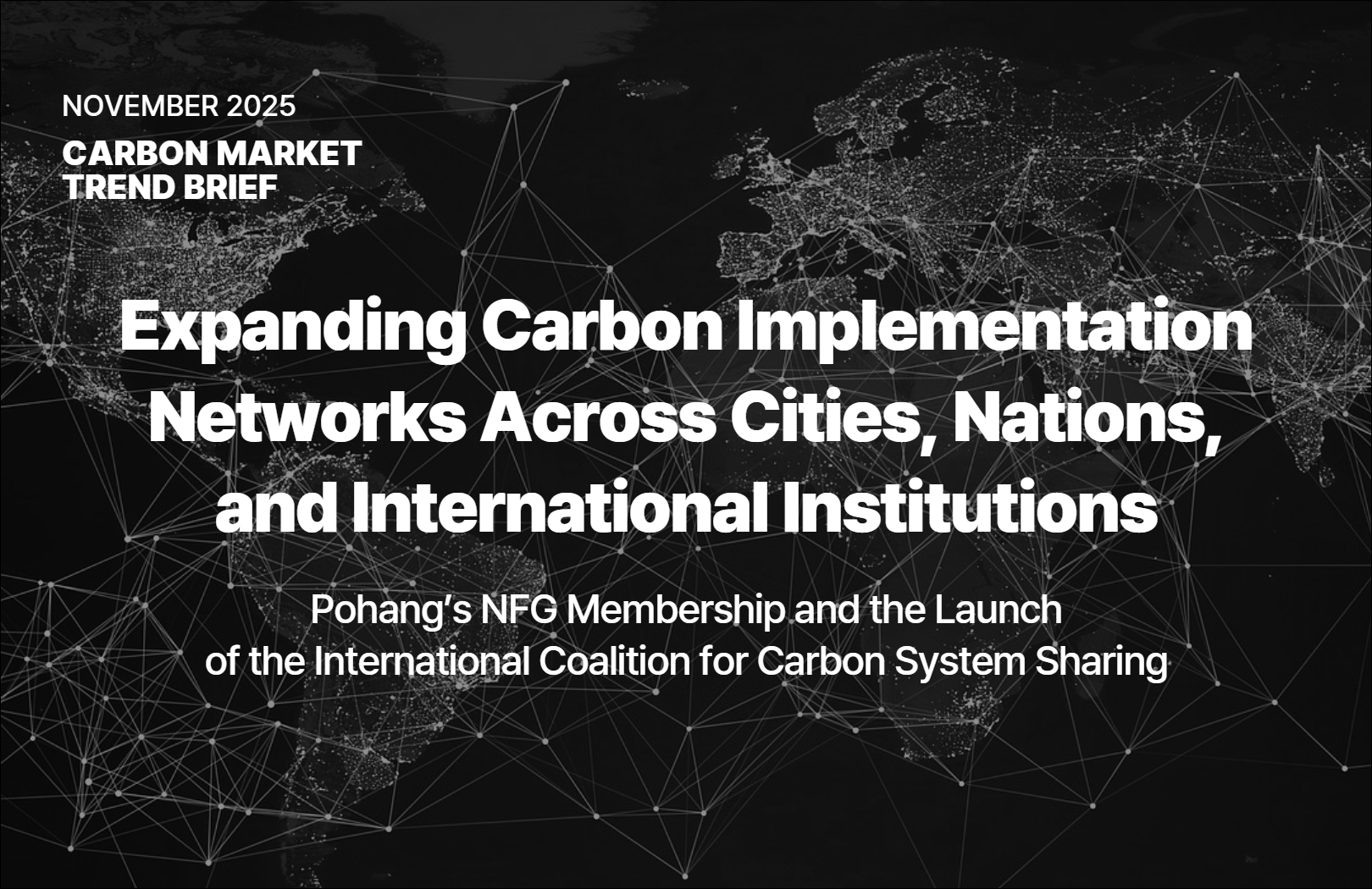
Meaningful developments are also emerging across domestic and international carbon markets. Most notably, the city of Pohang became the first local government in Korea to join the Network of Focal Geographies (NFG) under the Global Green Growth Institute (GGGI), establishing a new foundation for city-level participation in international climate cooperation. This step accelerates the linkage between urban mitigation and adaptation projects—such as climate resilience, renewable energy deployment, and green infrastructure—and global partnership frameworks.
Meanwhile, the official launch of the International Coalition for Carbon System Sharing, joined by multiple countries, marks the first structured platform for exchanging operational experience in emissions trading systems (ETS), carbon taxes, and mitigation policies. The initiative signals a growing movement toward greater transparency in policy design and operational data, as well as early efforts to align and standardize national carbon-pricing systems.
Together, these two developments demonstrate the strengthening of multi-layered cooperation across cities, national governments, and international organizations, and the acceleration of global efforts to harmonize carbon-market rules and policy practices.
For Korea in particular, the expansion of channels that allow cities to directly collaborate with international institutions opens new opportunities to advance a dual approach—combining urban mitigation initiatives with national-level carbon market strategies—and to shape a renewed model of climate leadership.
|
|
|
The global carbon market is undergoing a fundamental shift. It is no longer defined by a race to maximize emission reductions; instead, it increasingly asks what kind of reductions are being delivered, and what lasting benefits they create for communities and nature. As Article 6 of the Paris Agreement begins full implementation and UN transparency requirements tighten, the focus is moving from the volume of reductions to their accounting integrity, social and ecological impacts, and robust verification.
Years of credibility debates have made one thing clear: a market built solely on the quantity of carbon credits is not sustainable. In response, international registries and verification bodies are now evaluating not just emission reductions but also non-carbon benefits—including health outcomes, livelihoods, biodiversity gains, and contributions to the Sustainable Development Goals (SDGs). Increasingly, buyers across the private sector and financial institutions are choosing credits based on “what impact they generate,” not merely “how much they reduce.”
As a result, the carbon market is being structurally reorganized around quality. Only projects that demonstrate both Carbon Integrity and Social Integrity will remain competitive. The essential components of future high-quality ITMOs will include transparent verification, sufficient supply, and credible data that proves long-term sustainability.
In the era of the climate crisis, the carbon market is evolving into more than a transactional space—it is becoming a platform for restoring people, ecosystems, and trust. Ultimately, competitiveness will no longer be measured in tons, but in impact. |
|
|
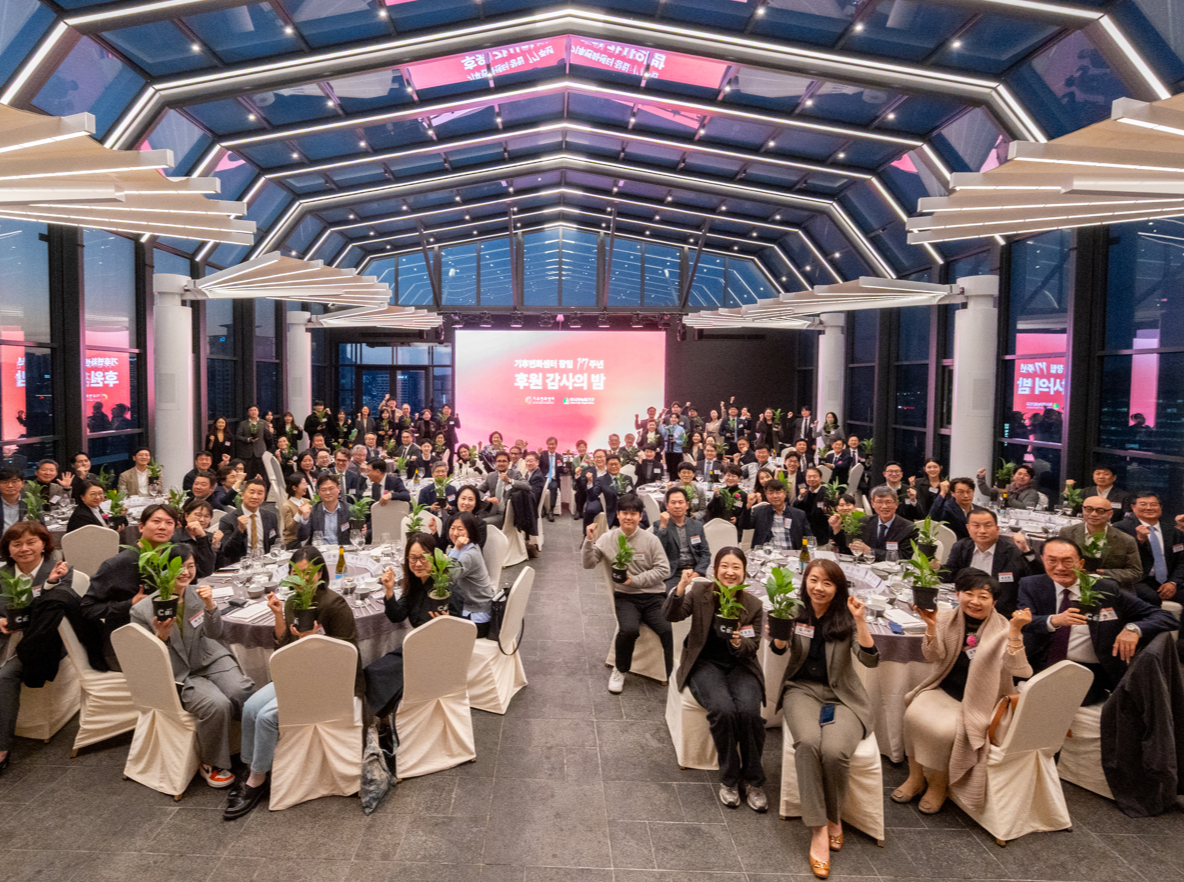
On October 23, the Climate Change Center celebrated its 17th Anniversary with an evening of appreciation, bringing together over 120 climate leaders and supporters. The event reflected on a decade of progress and outlined the Center’s next chapter in policy expertise and international cooperation. Learn more
|
|
|
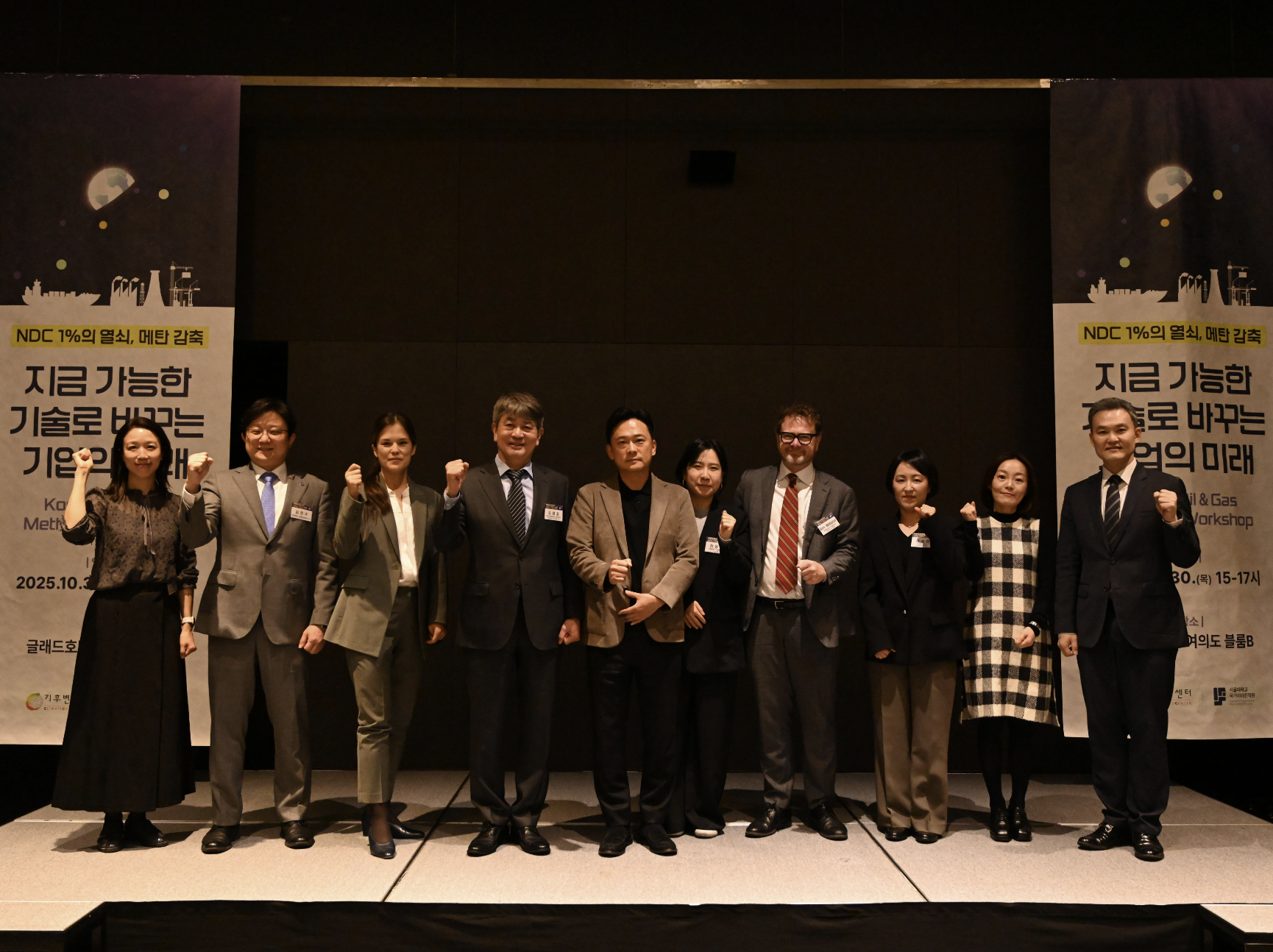
On October 30, the Center and Seoul National University hosted a seminar on global methane regulation, identifying methane as a strategic 1% lever for Korea’s NDC. Participants emphasized the need for a national methane partnership across government, industry, academia, and civil society. Learn more
|
|
|
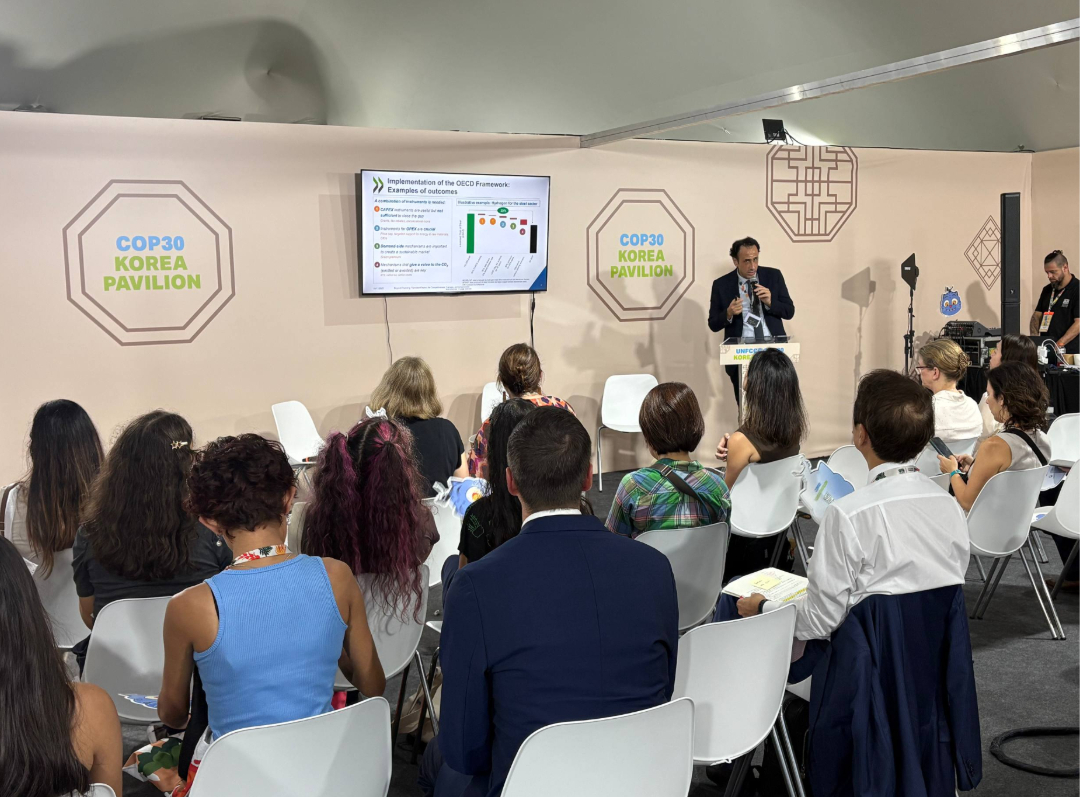
On November 14, the Center hosted a COP30 Korea Pavilion side event, sharing approaches to transition finance that support rather than exclude high-emitting industries. The session highlighted practical pathways relevant to competitiveness, just transition, and Korea’s 2035 NDC implementation. Learn more
|
|
|
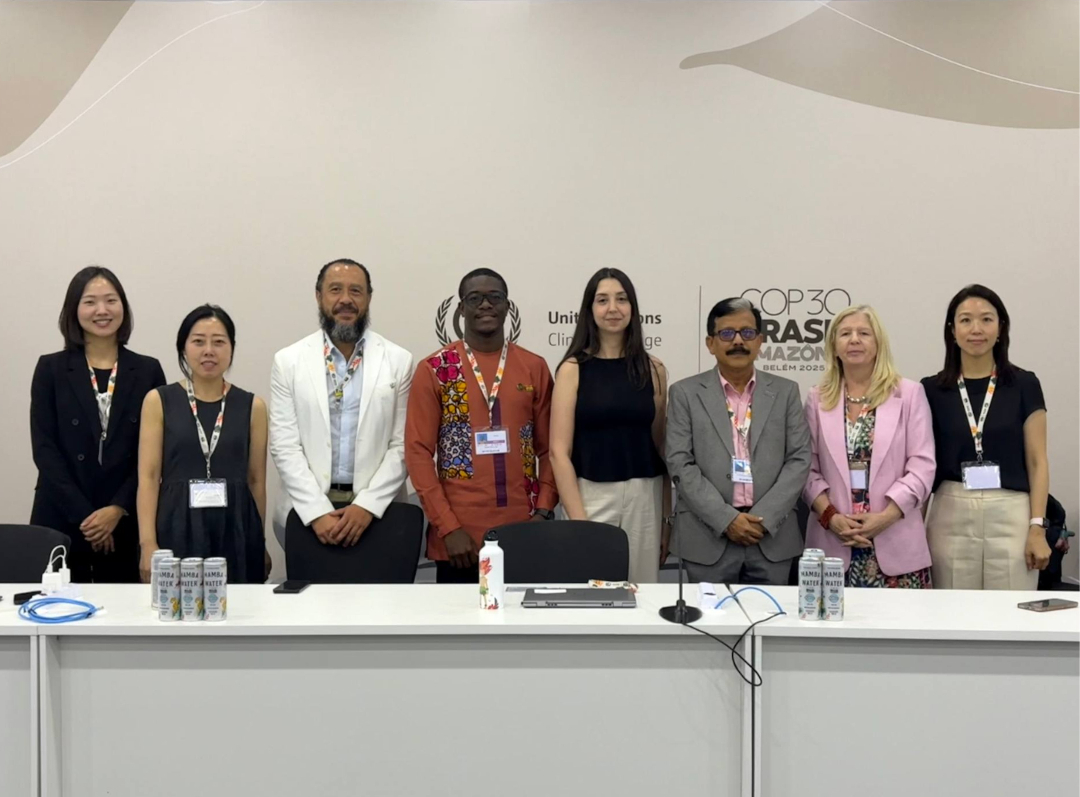
On November 20, the Center co-hosted an UNFCCC side event with Gold Standard, calling for Article 6 markets that generate real benefits for people and nature. The discussion reinforced integrity, community engagement, and public–private cooperation as foundations for next-generation high-quality markets. Learn more
|
|
|
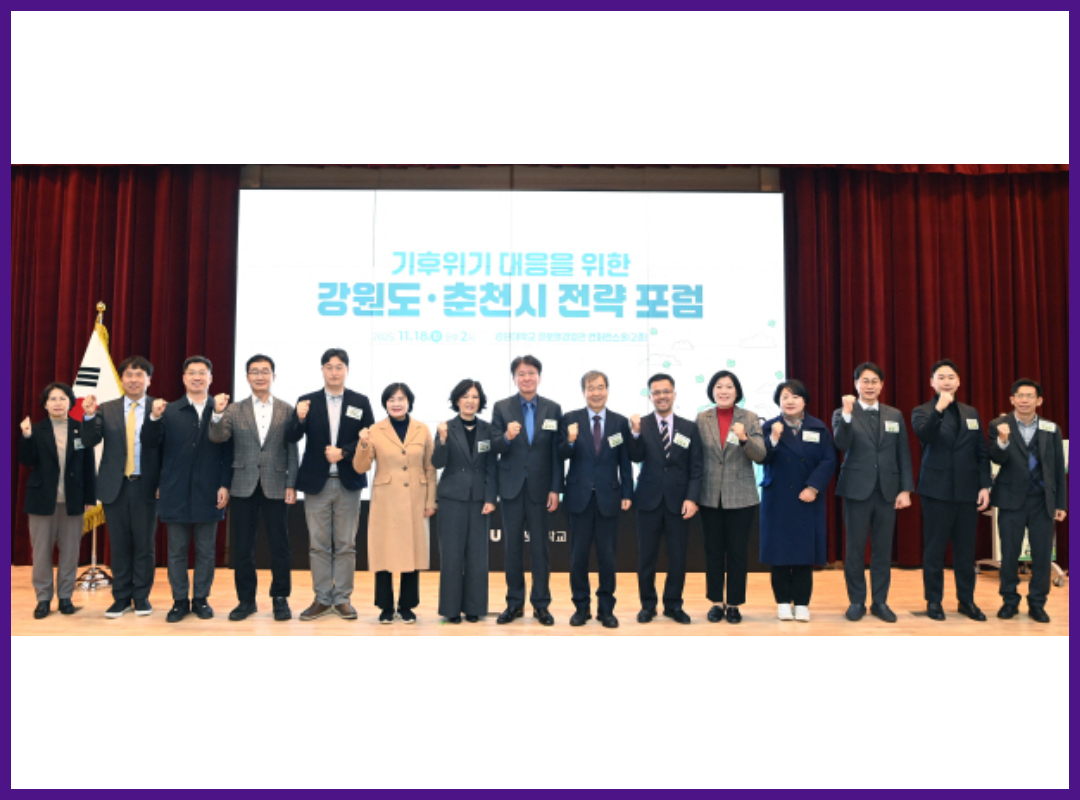
On November 18, Chairman Jai-chul Choi delivered a keynote in Gangwon and Chuncheon, stressing that regional action will be central to national competitiveness in the carbon-neutral era. He highlighted the need for strong university–local government–industry collaboration to advance effective climate transition. Learn more
|
|
|
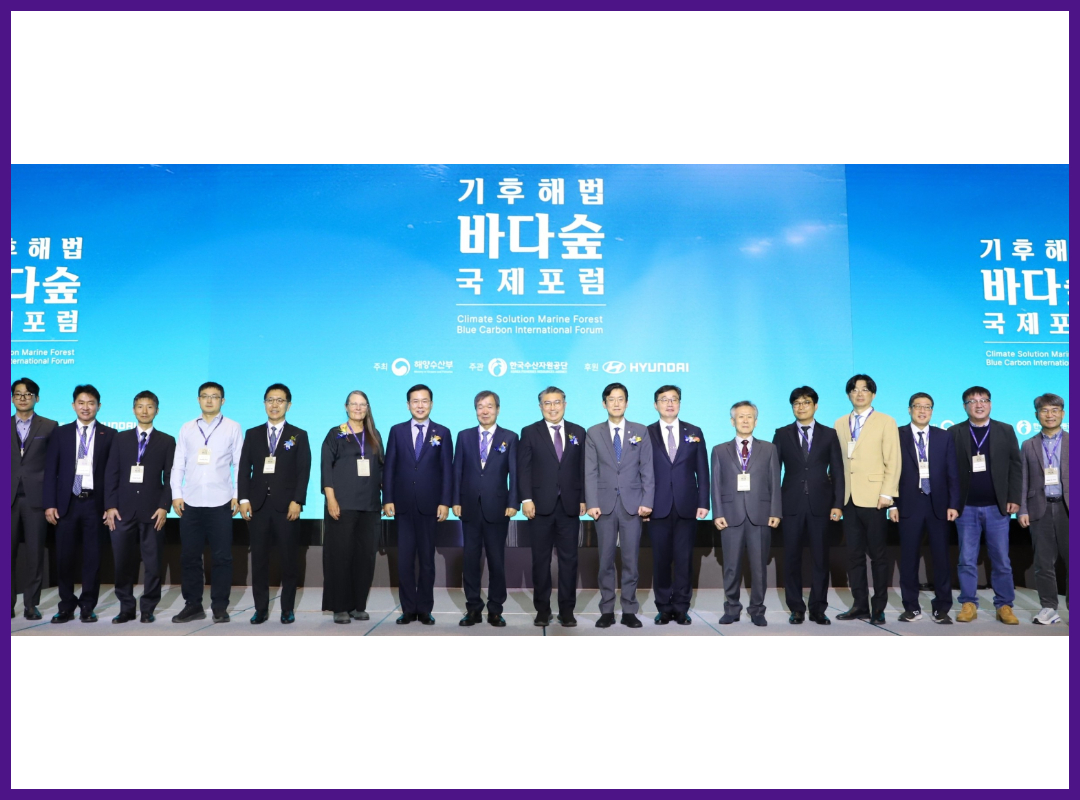
On November 20, Chairman Choi spoke at an international forum on ocean-based climate solutions, stressing the need for blue-carbon certification systems and their relevance to Korea’s 2030/2035 NDCs. The session strengthened the foundation for expanding Korea’s marine and blue-carbon cooperation. Learn more
|
|
|
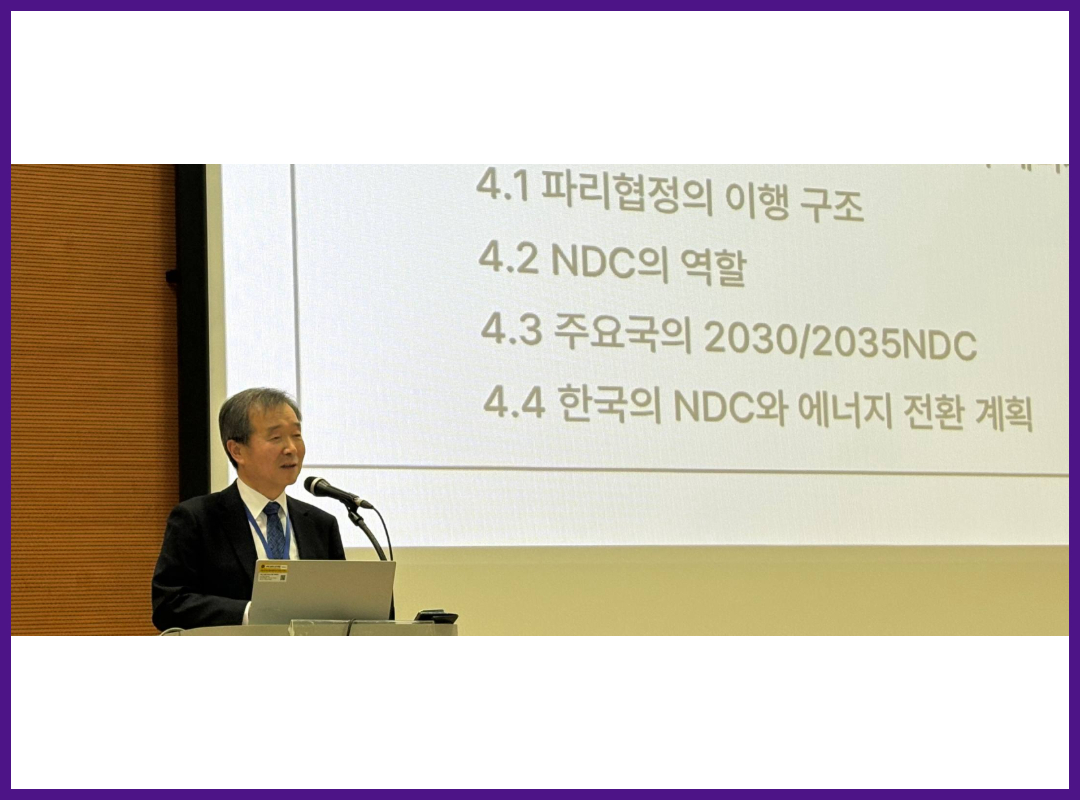
On December 3, Chairman Choi delivered a keynote at the Society’s annual conference, emphasizing that climate risk and energy transition have become core drivers of national competitiveness. The address underscored Korea’s need to proactively shape the emerging climate-economy ruleset. Learn more
|
|
|
🍀Be part of our journey!
Even a small gesture can help create a healthier planet.
Donation Account : Woori Bank 1005-901-949649
Account Holder : Climate Change Center
|
|
|
Climate Change Center
T. 02-766-4351 | E. info@climatechangecenter.kr
Address : No. 306, Bldg 1, 22, Teheran-ro 7-gil, Gangnam-gu, Seoul, Korea, 06130
|
|
|
|
|