Introducing Kai insights, the Kai Health newsletter
Year-end stories from Nova IVF, ASRM highlights to our 2025 numbers.
|
|
|
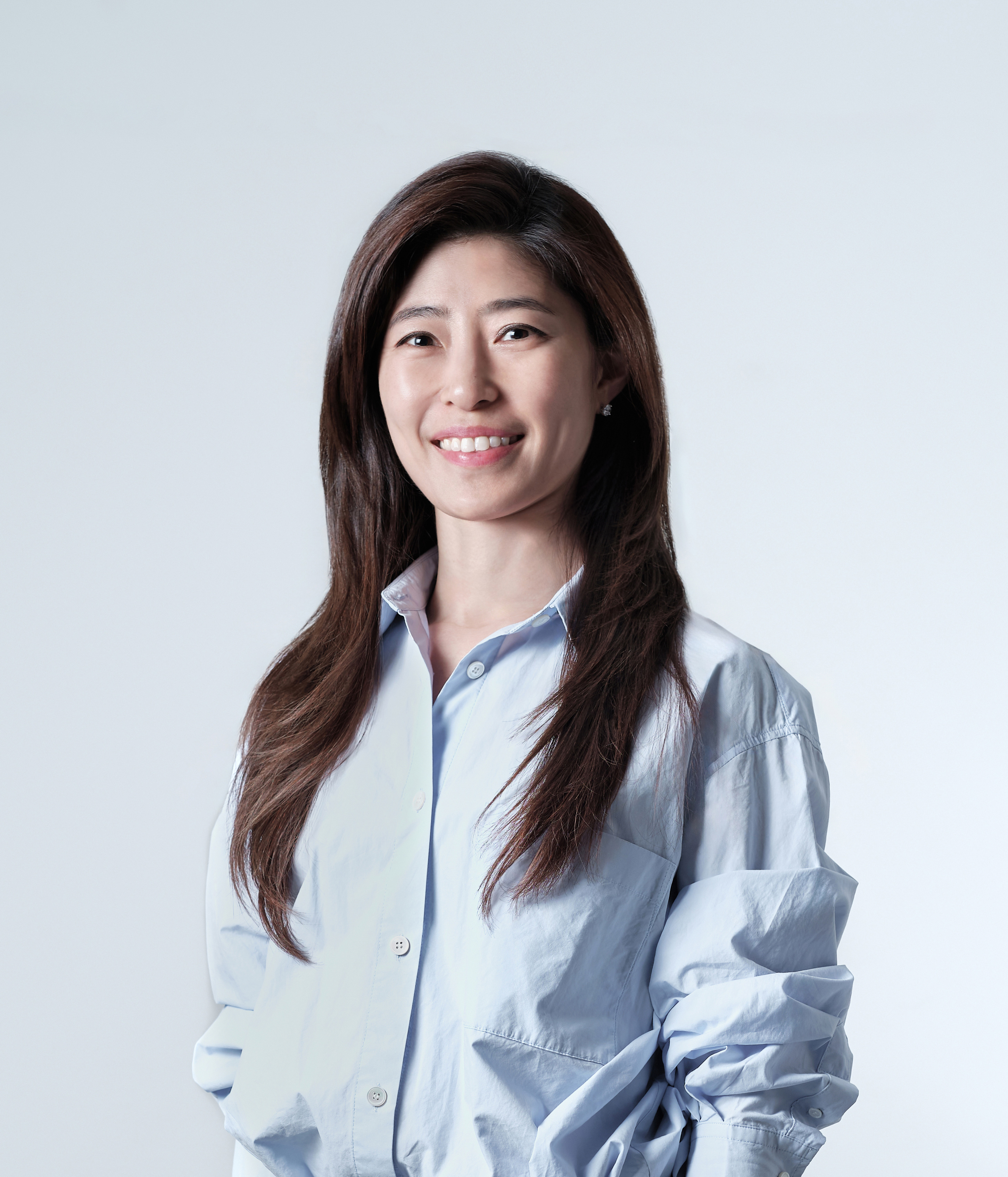
This first issue of our monthly newsletter, Kai insights, is our way of staying a bit closer to the reality of IVF labs using Vita Embryo. In future issues, we’ll share short updates on what we’re learning in the field — from real-world experience in partner clinics to data, evidence, and clinical topics we find worth discussing. In this year-end special, we start with Nova IVF in India, a highlight from our ASRM oral presentation on embryo grading, and a look back at 2025 in numbers.
— Hyejun Lee, CEO, Kai Health |
|
|
Meet Our User: Nova IVF Fertility (India) |
|
|
Mr. Shobhit Agarwal, CEO of Nova IVF Fertility |
|
|
Nova IVF Fertility is one of India’s leading and fastest-expanding IVF networks, with more than 120 centres across 68+ cities. Nova IVF Fertility cares for a highly diverse group of couples, many of whom travel long distances and save for years to start treatment. In 2025, Nova became one of Kai Health’s first international partners for Vita Embryo, working with us to see how AI can support more consistent and transparent embryo decisions at scale.
Q1. Could you briefly introduce yourself and Nova IVF Fertility?
"I am Shobhit Agarwal, CEO of Nova IVF Fertility. Nova is India’s leading and fastest-expanding fertility network, with 120+ centres in over 68 cities and more than 97,000 clinical pregnancies achieved so far. Our focus is on making world-class, ethical and outcome-driven fertility care accessible to couples across the country."
Q2. How are embryo assessment and selection carried out at Nova, and what did you want to improve?
"Our IVF labs are engineered to replicate the conditions of the womb, and embryo selection has traditionally relied on manual morphology-based grading by experienced embryologists. While this works, it can be subjective, difficult to standardize across many centres, and time-intensive. We wanted a more objective and scalable way to support embryo decisions without losing the clinical judgement of our teams."
Q3. What made you explore AI-based embryo assessment with Vita Embryo?
"Improving success rates has always been central to Nova’s mission, and we continuously evaluate technologies that can add transparency, objectivity and deeper insights to embryo evaluation. Vita Embryo enhances clinicians’ ability to predict embryo viability, supports more ethical care by strengthening confidence in single embryo transfer, and helps ensure that each couple benefits from the most advanced and responsible tools available."
Q4. How are you using Vita Embryo today, and what changes have you observed?
“We have rolled out Vita Embryo in almost all our clinics, including Tier-2 cities. While long-term outcome data will take time, we already see quicker decision-making during embryo selection, improved workflow efficiency, and greater patient confidence because AI-backed reports make our recommendations more transparent and reassuring. The technology has been very well received across our clinical teams."
|
|
|
This Month’s Clinical Insight - Kai Health at ASRM
Can we make Gardner grading less subjective?
|
|
|
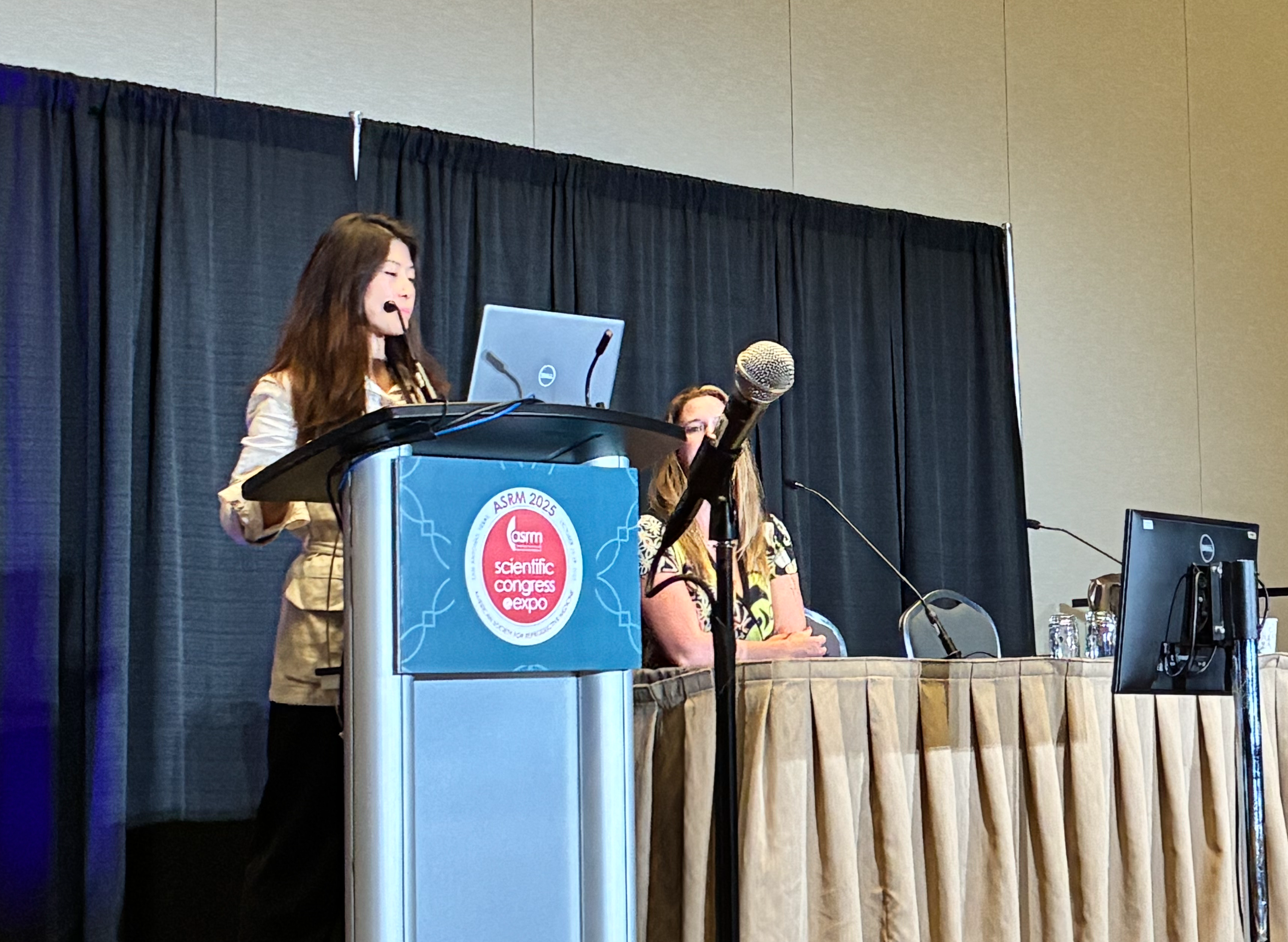
At ASRM this year, we presented our abstract,
“A MORPHOLOGY-BASED EMBRYO INDEX IMPROVES CONSISTENCY IN EMBRYO GRADING AND PREDICTION OF PREGNANCY OUTCOMES.”
The idea was simple: instead of relying only on a Gardner grade, we asked three experienced embryologists to break what they see into 10 specific features – 5 for ICM and 5 for TE – and then turned those features into a morphology-based index.
What we found:
- Gardner alone showed low consensus.
With traditional Gardner grading on 180 day-5 embryo images, all three embryologists fully agreed on the grade in only 53 cases (29.4%), highlighting how subjective the system can be.
- The new index explained pregnancy outcomes better.
When we used the 10-feature index to model fetal heart tone (FHT), the explanatory power (Pseudo R²) was 28.9%, compared with 10.4% for the final Gardner grades, despite the limited FHT-matched sample size.
- A better foundation for future AI.
Because the index is derived from expert consensus on specific features, it offers a more reproducible framework for embryo evaluation – and a stronger target for training AI models based on shared criteria rather than individual grading habits.
Interested in other ASRM abstracts and publications of Kai Health?
|
|
|
2025 Kai Health in Numbers |
|
|
2025 was our first full year of Vita Embryo in real-world IVF workflows. It sure has been a busy year and these numbers capture how far we’ve come together:
- 100+ IVF sites ran demos or pilots with Vita Embryo
- We made 85+ partnerships with clinics, research institutes and business partners
- More than 16,000+ embryo cases were analysed by our AI model worldwide
- We presented and published total 6 abstracts & papers at global conferences in 2025
Behind each figure are patients, embryologists, and clinicians who were willing to try a new technology in their own setting. In 2026, we hope these numbers will translate into clearer decisions, less burden in the lab, and stronger evidence that connects AI performance to everyday outcomes.
|
|
|
How was this month's Kai insights? |
|
|
Interested? Contact us below and we will be glad to help! |
|
|
|
Personalized Fertility Treatment Powered by AI, Kai Health
#701, 398, Seocho-daero, Seocho-gu, Seoul |
|
|
|
|