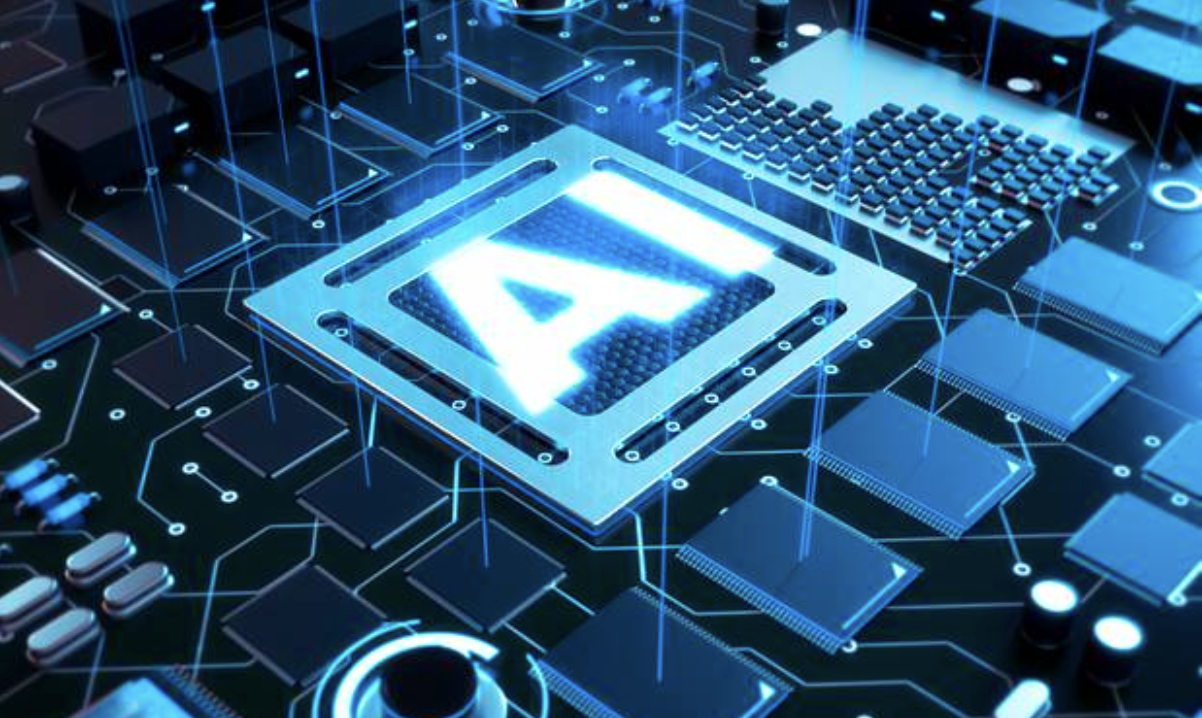
AI has revolutionized numerous industries and continues to reshape the way we live and work. Behind the scenes, the rapid advancement of AI is powered by specialized hardware known as AI chips. These chips are purpose-built to handle the complex computations required by AI algorithms, enabling faster and more efficient processing. In today’s newsletter, we will explore what AI chips are, why they matter, and how they are shaping the AI landscape.
Really, what are AI chips?
AI chips, also referred to as AI accelerators or neural processing units (NPUs), are specialized hardware designed to accelerate AI tasks. Unlike traditional CPUs or GPUs, AI chips are optimized for parallel processing and deep learning algorithms, making them capable of handling massive amounts of data with exceptional speed and efficiency. These chips play a crucial role in training and inference tasks, enabling machines to analyze, learn, and make intelligent decisions. By integrating AI chips into a wide range of devices and systems, such as smartphones, data centers, autonomous vehicles, and household appliances, real-time decision-making becomes possible, unlocking the full potential of AI applications.
How do AI chips work?
Processor: The processor is the core component, responsible for executing AI algorithms. It consists of specialized circuits and cores designed to handle the complex calculations required by AI tasks. The processor performs tasks such as matrix multiplications, convolutions, and activations, which are fundamental operations in AI computations.
Memory: Memory plays a crucial role in AI chips by storing and providing quick access to the data needed by the AI algorithms. It comprises high-speed caches and memory banks optimized for rapid data retrieval. The memory holds not only the input data but also intermediate results, weights, and model parameters necessary for AI computations. Efficient memory management ensures fast and reliable data access, reducing bottlenecks and enhancing overall performance.
I/O (Input/Output): The I/O interface enables the AI chip to communicate with other devices, such as computers, sensors, or storage systems. It allows for the exchange of data and commands between the AI chip and the external environment. The I/O interfaces are designed to handle high-speed data transfer and support various protocols, ensuring seamless integration with different systems.
The overall chip is designed to focus on minimizing power consumption and heat generation to ensure energy efficiency.
What are the benefits of AI chips?
- Increased performance: AI chips can be up to 100 times faster than general-purpose processors for AI applications.
- Reduced power consumption: AI chips consume less power than general-purpose processors, which can lead to longer battery life in mobile devices.
- Lower cost: AI chips are becoming more affordable, which is making them more accessible to a wider range of developers.
|