🔥From Ghibli-style art craze to melting GPUs 📰All About GPT-4o, GPU, and Ghibli |
|
|
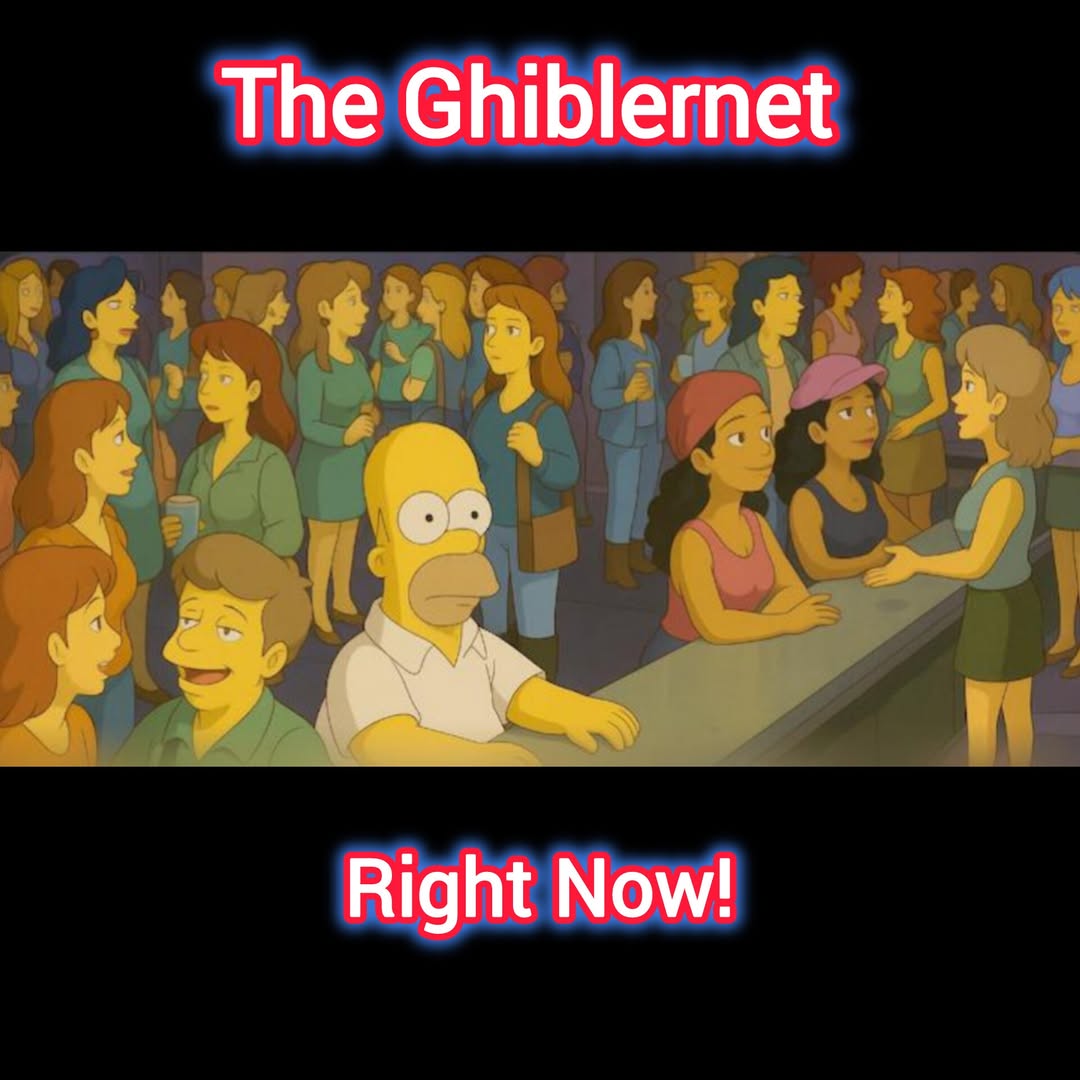
A meme portraying how everyone is generating Ghibli-style images using GPT-4o. Source: Facebook
OpenAI's newly upgraded image generation feature in ChatGPT-4o has sparked a global trend: creating images in the iconic Studio Ghibli style. Known for masterpieces like Spirited Away and Howl’s Moving Castle, Studio Ghibli is beloved for its warm colors and whimsical aesthetics.
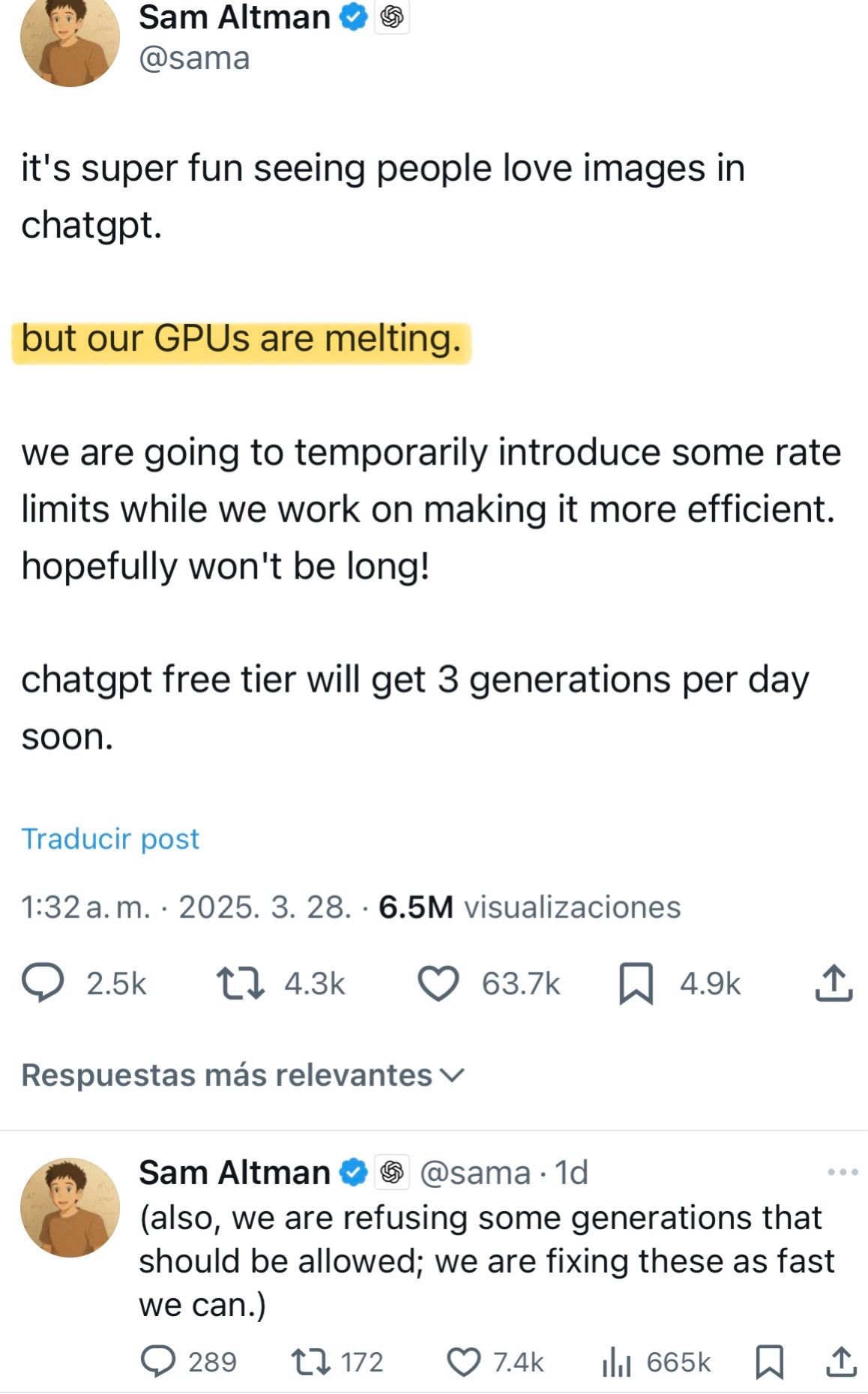
The trend has grown so intense that OpenAI CEO Sam Altman tweeted, “Our GPUs are melting.” The very next day, he followed up with another tweet begging users to "chill"—his team was losing sleep. Most recently, OpenAI announced that over one million new users joined within a single hour.
Today, we’ll dig into the wave behind this trend:
-
Why are GPUs “melting,” and what can be done about it?
-
Are there copyright concerns with Ghibli-style image generation?
-
Does Hayao Miyazaki (head of Studio Ghibli) really hate AI?
|
|
|
Why are OpenAI's GPUs Melting? |
|
|
Sam Altman 's tweet.
🤔 Why is GPU usage spiking?
Among AI models, image generation requires significantly more computation than text generation. While generating text mainly involves calculating word probabilities—a relatively lightweight task—image generation involves gradually denoising within a latent space. This process requires heavy parallel computation, which leads to substantial GPU usage.
🤔 So, how can we address the GPU shortage?
✅ Model Optimization
Techniques like LoRA (Low-Rank Adaptation) and quantization reduce model size and computation without compromising performance. These methods improve efficiency and help ease the burden on GPU resources.
✅ AI-Specific Chips
Hardware specialized for AI—such as Google’s TPUs (Tensor Processing Units) or Apple’s NPUs (Neural Processing Units)—can reduce reliance on traditional GPUs and deliver faster, more efficient processing.
✅ Cloud & Distributed Computing
By dynamically allocating GPU resources in the cloud and using distributed computing across multiple servers, we can distribute the load and prevent overloading any single server or GPU—ensuring more stable performance.
✅ New Model Architectures
Moving beyond traditional Transformer-based models, next-generation architectures can handle tasks more efficiently. Sparse modeling techniques and lightweight neural networks offer better performance with fewer resources.
|
|
|
GPT: Ghibli Production Tools? 🤔 |
|
|
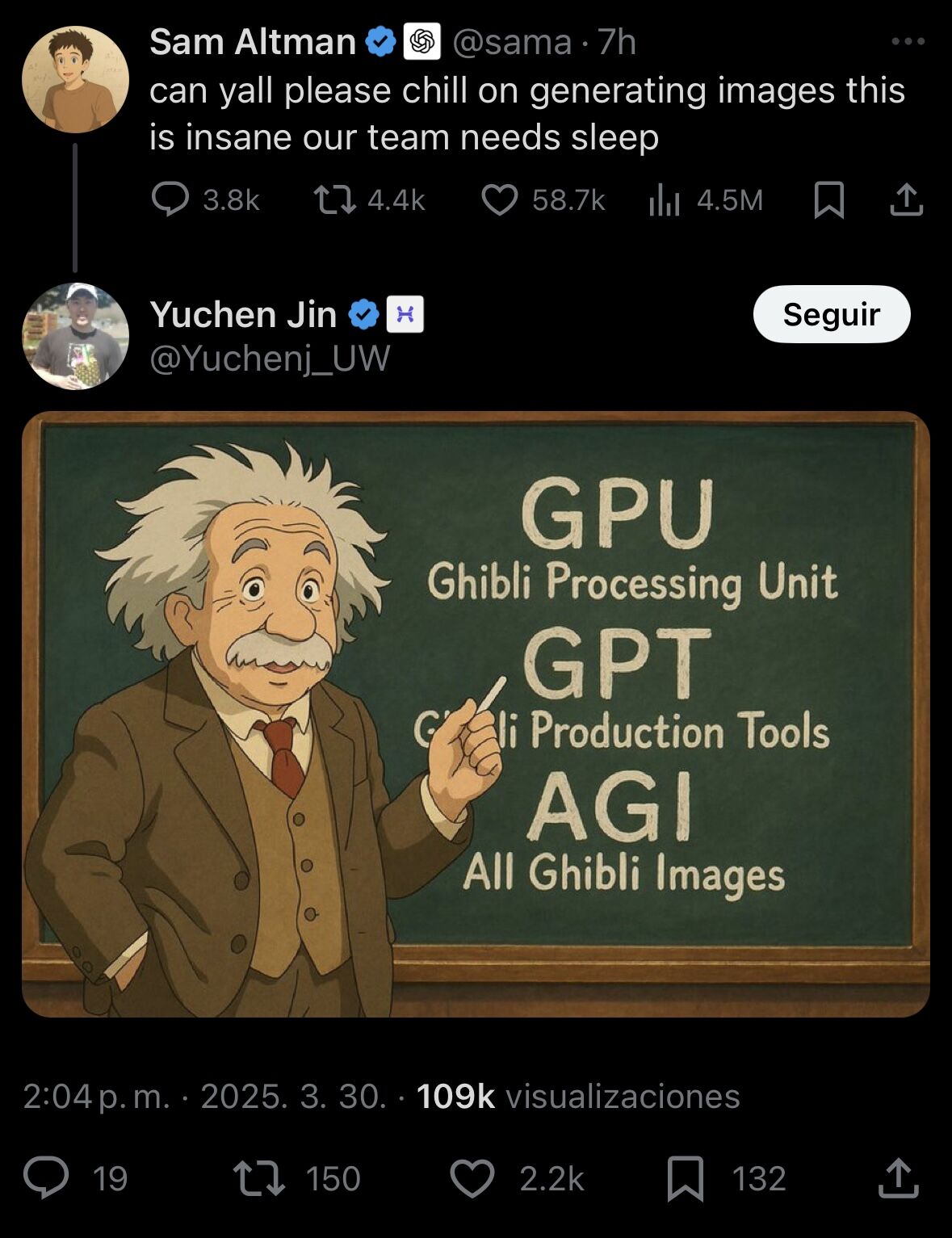
Not long after expressing concern that GPUs were "melting," Altman followed up with another tweet, pleading for people to "chill" on generating images —saying the team needs sleep. In response, one user cleverly coined a new acronym for GPU, GPT, and AGI, based on the ChatGPT + Ghibli-style image frenzy.
|
|
|
▶︎ GPU: Ghibli Processing Unit
▶︎ GPT: Ghibli Production Tools
▶︎ AGI: All Ghibli Images
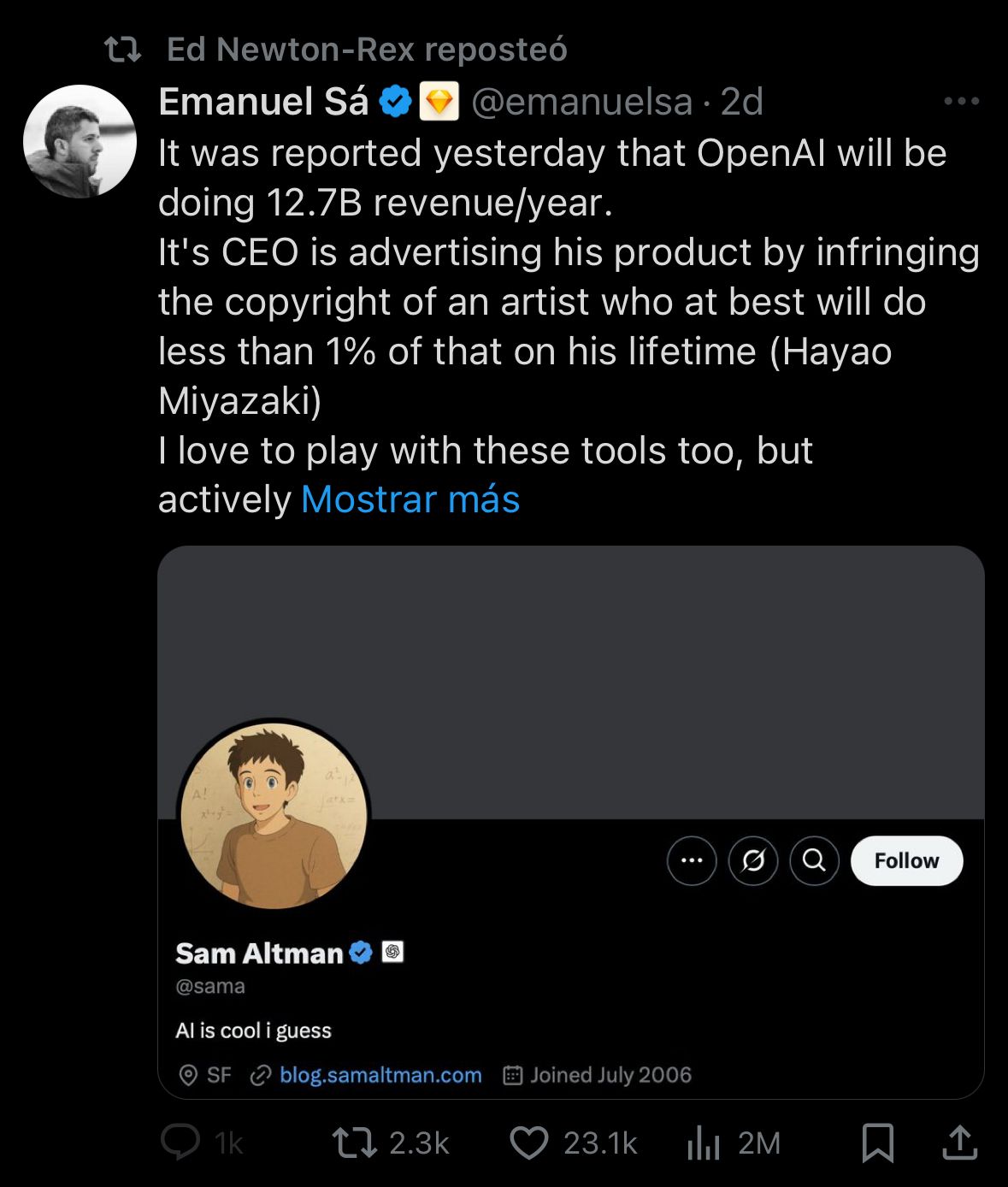
The global obsession with Ghibli-style image generation has taken over timelines everywhere—even Sam Altman’s Twitter profile now sports a Ghibli-inspired portrait.
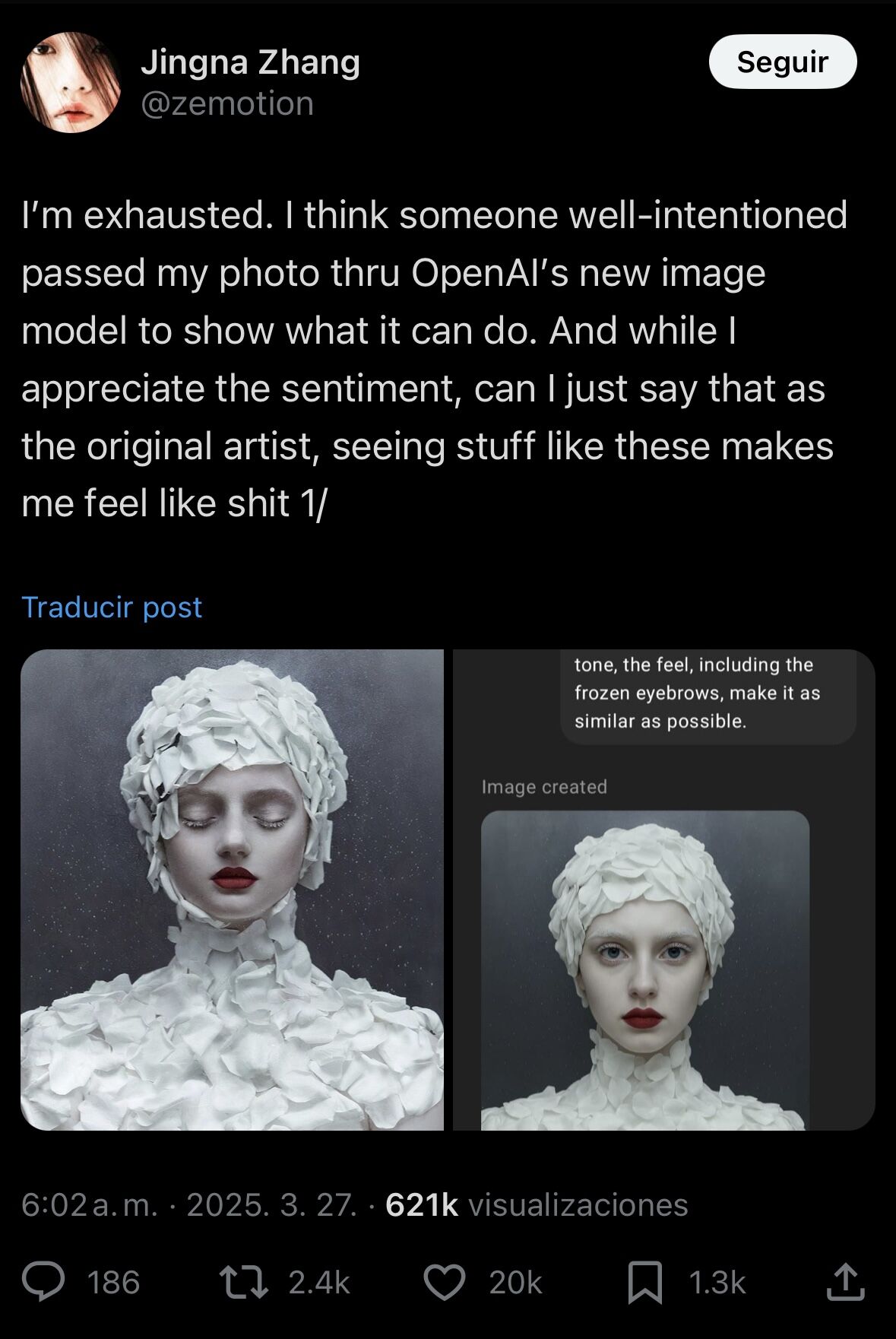
But while much of the world is swept up in the nostalgia and novelty, there’s a growing conversation happening in the background—a more serious one. Artists and creators are raising important questions about AI, authorship, and copyright. Let’s take a closer look at what’s being said. |
|
|
It’s not easy to take one clear side. These debates often fall into a familiar back-and-forth:
“Everyone learns by studying past works—how is that illegal?”
vs.
“This isn’t the same. This is copying and mass-producing replicas.”
Right now, the spotlight is on illustrators and visual artists. But who’s to say it won’t be your story next? It’s important to marvel at progress—and yes, even enjoy it. But it’s equally important to pause and listen to the voices of those who may be losing something in the process. |
|
|
Is Hayao Miyazaki "Disgusted" by AI? |
|
|
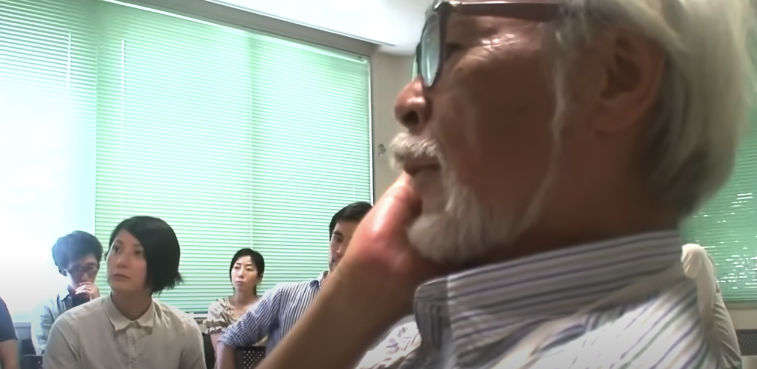
Hayao Miyazaki is widely quoted as saying AI is “disgusting” and “an insult to life itself.” These strong words stem from a 2016 NHK documentary, where Miyazaki reacts to developers demonstrating an AI image generation model. The scene captures his blunt, heartfelt response—one that has since echoed across the broader conversation on AI and creativity. |
|
|
Hayao Miyazaki watching an AI-generated video. Source: NHK
|
|
|
To understand the full meaning, we need to know the context.
The developers presented a scene generated by AI that depicted zombie-like movements—a creature with missing limbs crawling across the floor. It was a graphic and provocative video, shown as an example of what AI could create.
Upon viewing it, Hayao Miyazaki recalled a close friend with a disability—someone who struggles with muscle control—and said he could never find that video amusing. He emphasized that only those who are utterly ignorant of human suffering could make something like this. He called it “disgusting” and said it was “an insult to life itself.”
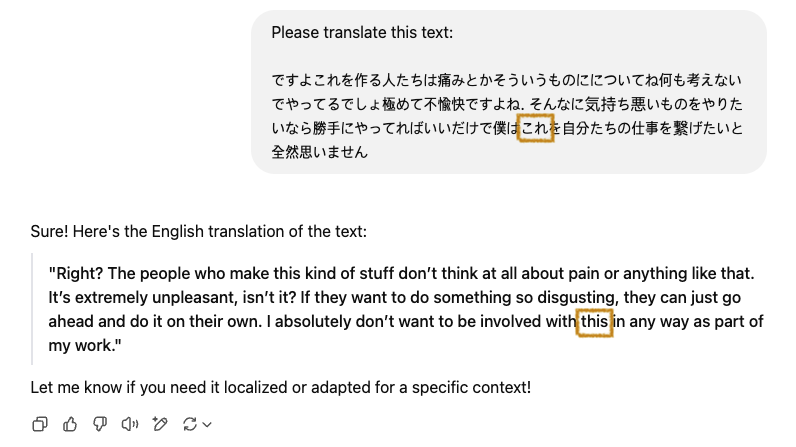
When comparing various translations of the scene, there seem to be two common interpretations of what Miyazaki says next:
-
I would never want to use this kind of 'technology' in my work.
-
I don’t want my work to be associated with this kind of 'thing' at all.
Curious about the nuance, I looked up the original Japanese subtitles and translated them myself. |
|
|
The phrase often translated as "this kind of technology" was actually just “kore (これ)" in the original Japanese, meaning simply “this.”
That subtle difference suggests that Miyazaki’s criticism may not have been directed at AI technology itself, but rather at what was made—graphic, provocative content created without empathy for human suffering. While he does express concern about the direction of technology later in the clip, it doesn’t come across as outright hatred or disgust toward AI as a whole.
🔗 You can watch the video yourself and decide what he really meant. |
|
|
We still don’t know exactly what Hayao Miyazaki thinks about AI-generated Ghibli-style images—and even if we did, he doesn’t speak for every artist. Whether AI-generated art constitutes copyright infringement remains unresolved. And there’s no easy fix for the “melting” GPUs struggling to meet soaring demand.
We’re living in a world where the boundaries are blurry and the answers rarely come easy. In so many areas, there are more questions than settled rules. That’s why it’s more important than ever to explore different perspectives before forming opinions. In an era where AI offers quick takes and ready-made views, we need to put in the work to shape our own.
|
|
|
Solution for Trustworthy AI
Datumo is an all-in-one data platform for your smarter AI
|
|
|
Datumo Inc.
📋 contact@datumo.com
|
|
|
|
|