Climatus College After the Experience: Stories from U-Savers Alumni |
|
|
The Climate Change Center runs the ‘U-Savers’ program, which supports university student in climate action by providing a platform for them to design and implement their own climate action projects.
The experience in U-Savers goes beyond one-time participation. By exploring climate issues in real-world contexts and leading projects themselves, participants broaden their perspectives and reshape how they approach both their daily lives and future career paths.
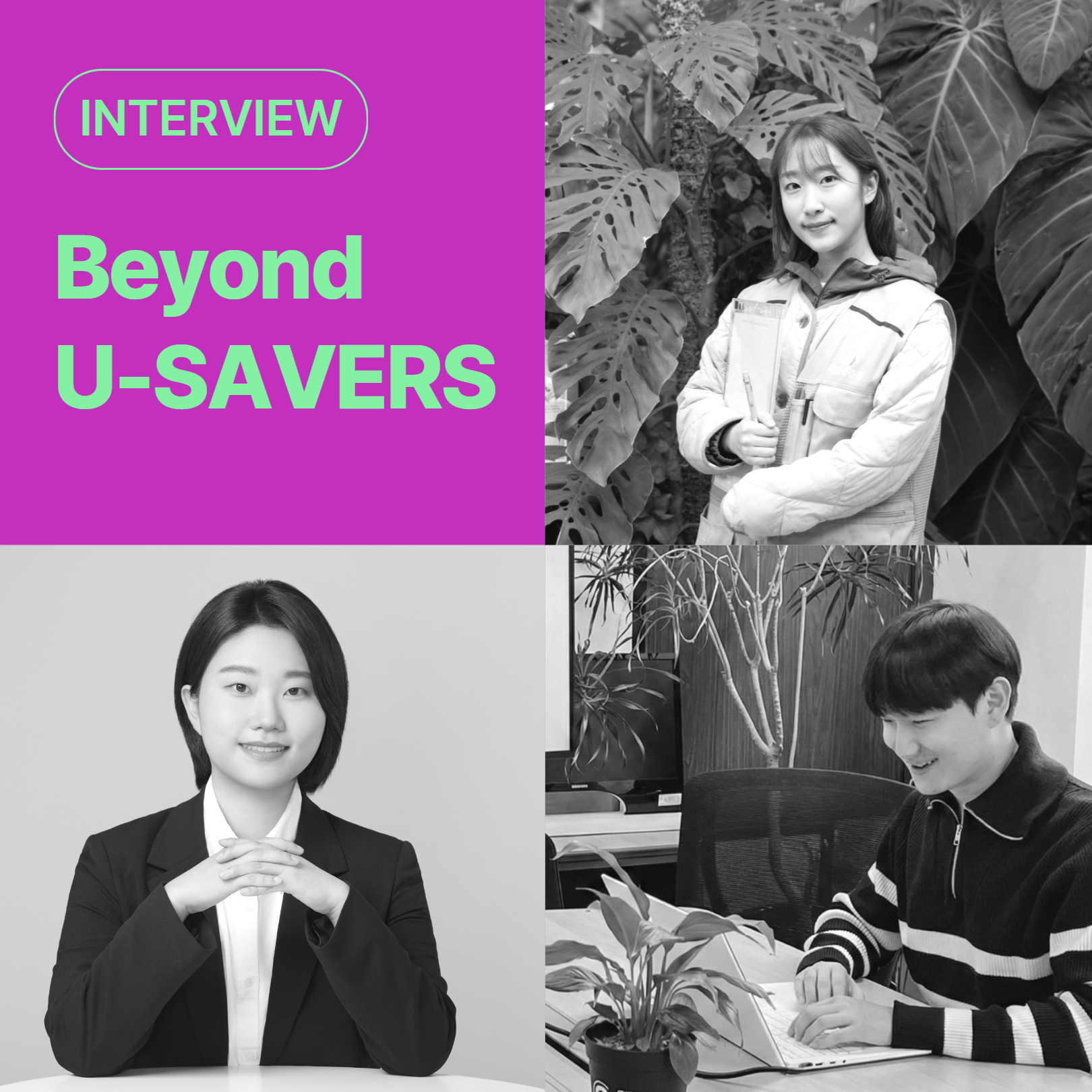
Now in its 19th cohort, we catch up with three alumni to see how they are continuing their climate journey after the program. Each is taking a different path—one supports citizens in experiencing the value of ecology and climate at a botanical garden, while another works to advance carbon reduction through international cooperation and carbon market initiatives.
They share how U-Savers broadened their perspectives on the climate crisis and how those experiences connected to their current work and lives. Click the link below to read the full stories of our U-Savers alumni!
|
|
|
Global Climate Action CCC Project Becomes World’s First to Receive UN Carbon Credit Approval Under Paris Agreement |
|
|
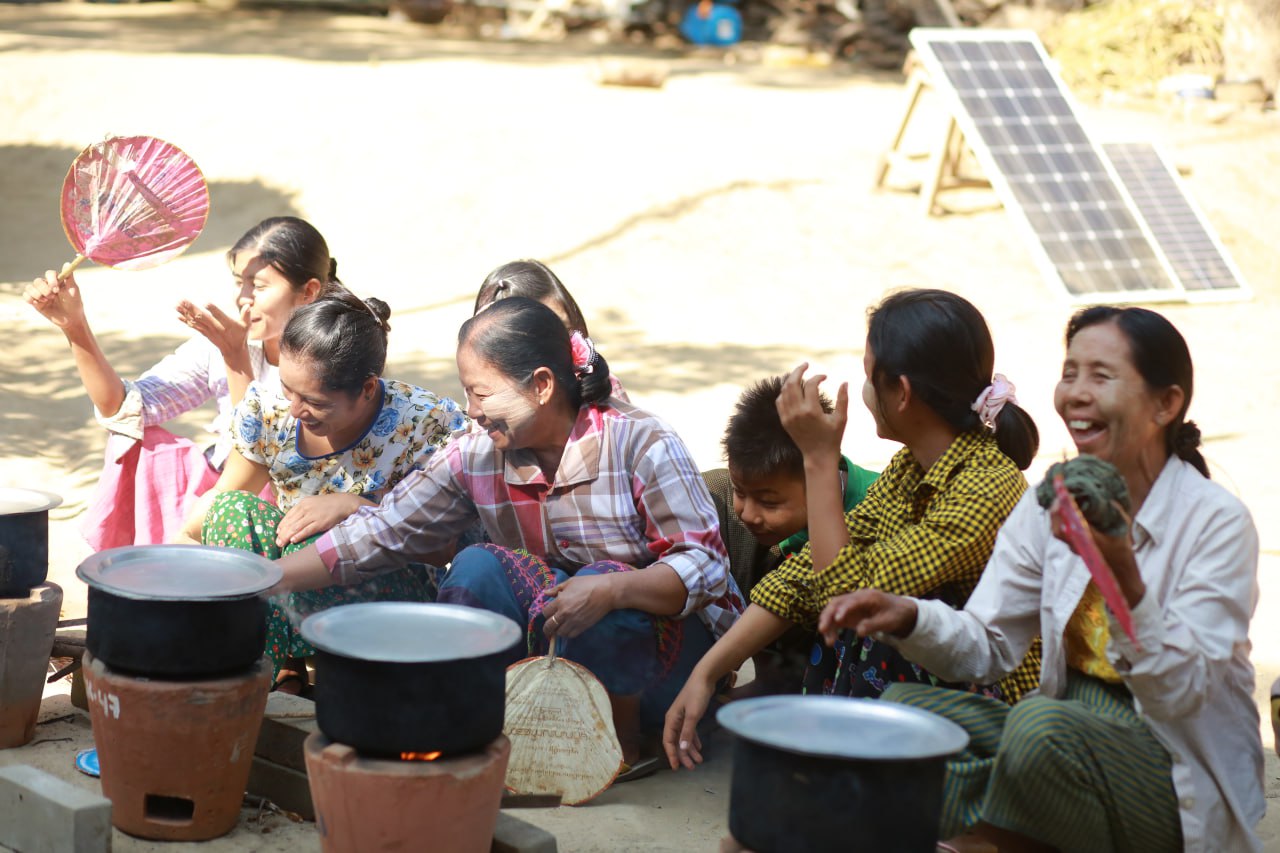
A project led by the Climate Change Center since 2019 has reached a historic milestone: the world’s first approval for UN carbon credits under the Paris Agreement. The UNFCCC approved the Myanmar Improved Cookstove Project as the first-ever issuance under the Article 6.4 mechanism. Following a provisional approval last month and a subsequent 14-day appeal period, the project is now moving forward under the UN process.
Among over 165 projects worldwide awaiting UN approval, this project—led by CCC with the participation of 12 Korean companies—was the first to be issued.
Notably, it is the first case to meet the strengthened standards of the new mechanism, which applies more conservative methodologies by setting emission reductions approximately 40% lower than the previous CDM approach.
This project also highlights the importance of private-sector-led climate action. It demonstrates how private capital and execution can play a vital role in international climate governance, realizing the ‘multi-stakeholder participation’ emphasized by the Paris Agreement. These carbon credits are expected to be transferred to Korea, contributing to the achievement of National Determined Contributions (NDC).
Furthermore, the project delivers tangible climate action in developing countries. Beyond reducing carbon emissions and deforestation, it creates various social co-benefits, such as protecting the health of women and girls previously exposed to indoor air pollution.
Building on this progress, CCC will continue to advance climate projects that meet enhanced standards and contribute to the practical implementation of global climate action.
👉[UNFCCC] UN carbon market approves first‑ever issuance of credits under the Paris Agreement |
|
|
Carbon Market Brief Will the Expansion of Seagrass Blue Carbon in Korea Emerge as a New Supply Source for VCM? |
|
|
Recently, local governments have been pushing policies to expand blue carbon using marine ecosystems—such as seagrass, tidal flats, and seaweed—while preparing for links to the carbon market.
Incheon City is strengthening its strategy to secure blue carbon by leveraging tidal flats and marine ecosystems, exploring the industrial potential of seaweed and seagrass-based carbon sinks. Wando County is also building a scalable model through the establishment of seagrass nurseries, preparing for carbon trading linkages under the premise that the IPCC will expand its recognition of these carbon sinks.
However, an analysis of 11 indigenous seagrass habitats along the coast of Jeju revealed that the total area has decreased to approximately one-third of levels recorded in previous studies. Furthermore, the average length of the seagrass has been halved, confirming a significant deterioration in growth conditions.
The expansion of seagrass restoration led by local governments indicates that blue carbon could serve as a major pillar of Nature-based Solutions (NbS) credits generated within Korea. Once a formal certification system is established, it will provide an additional supply option to meet the carbon-neutral demands of domestic companies.
This represents an opportunity to expand the current forest-centric portfolio into marine ecosystem-based assets, offering VCM (Voluntary Carbon Market) developers a high-potential area for diversifying domestic project bases.
|
|
|
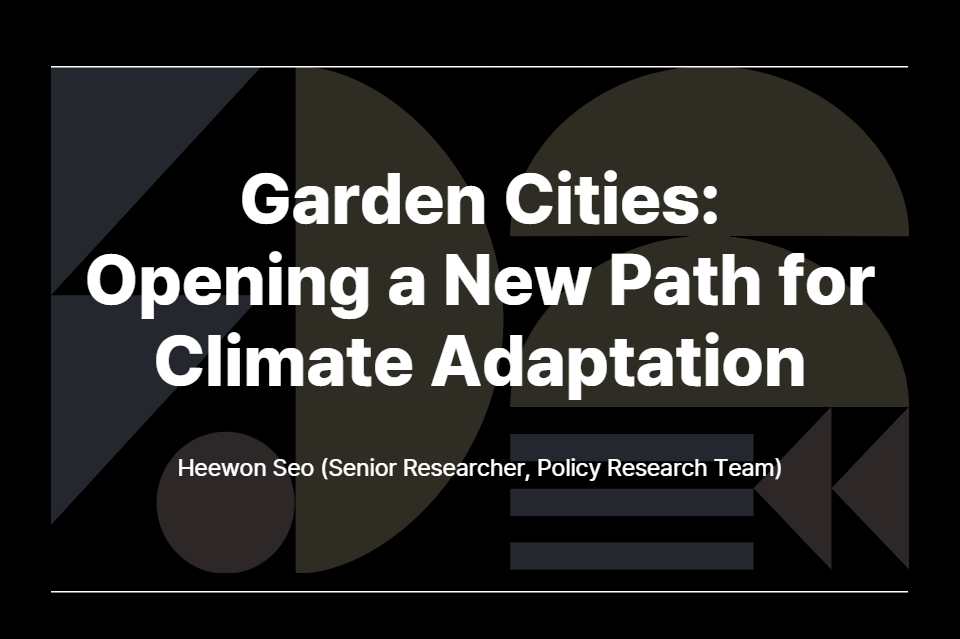
Heatwaves, flooding, urban heat islands, and ecosystem collapse have become our daily reality. While climate policy has traditionally focused on carbon mitigation, the question of "adaptation"—how we will live within a changing climate—is becoming an increasingly urgent priority.
Gardens, urban forests, and green spaces are no longer just elements of urban design or places for leisure. They can function as critical climate adaptation infrastructure—cooling cities, absorbing rainwater, and restoring ecosystems.
At a recent forum held in Jeju in February, participants emphasized that garden cities should be approached not in terms of “what to build,” but “what to restore.” Jeju’s unique natural conditions—basalt landscapes, spring water, volcanic soil, strong winds, and intense sunlight—were highlighted as assets for urban design. Rather than pursuing excessive development, the discussion called for a “subtractive strategy” centered on conservation and restoration, seeking a balance where nature and the city can coexist.
However, meaningful change remains difficult as long as gardens, parks, and forests are managed within fragmented policy frameworks. To enhance urban resilience, it is essential to establish legal and financial foundations, integrate urban planning, ecological restoration, and climate policy, and build governance structures that enable citizen participation and public-private collaboration.
Ultimately, the garden city is not merely about reshaping urban landscapes—it represents a strategic shift in how cities live and adapt in the face of the climate crisis. |
|
|
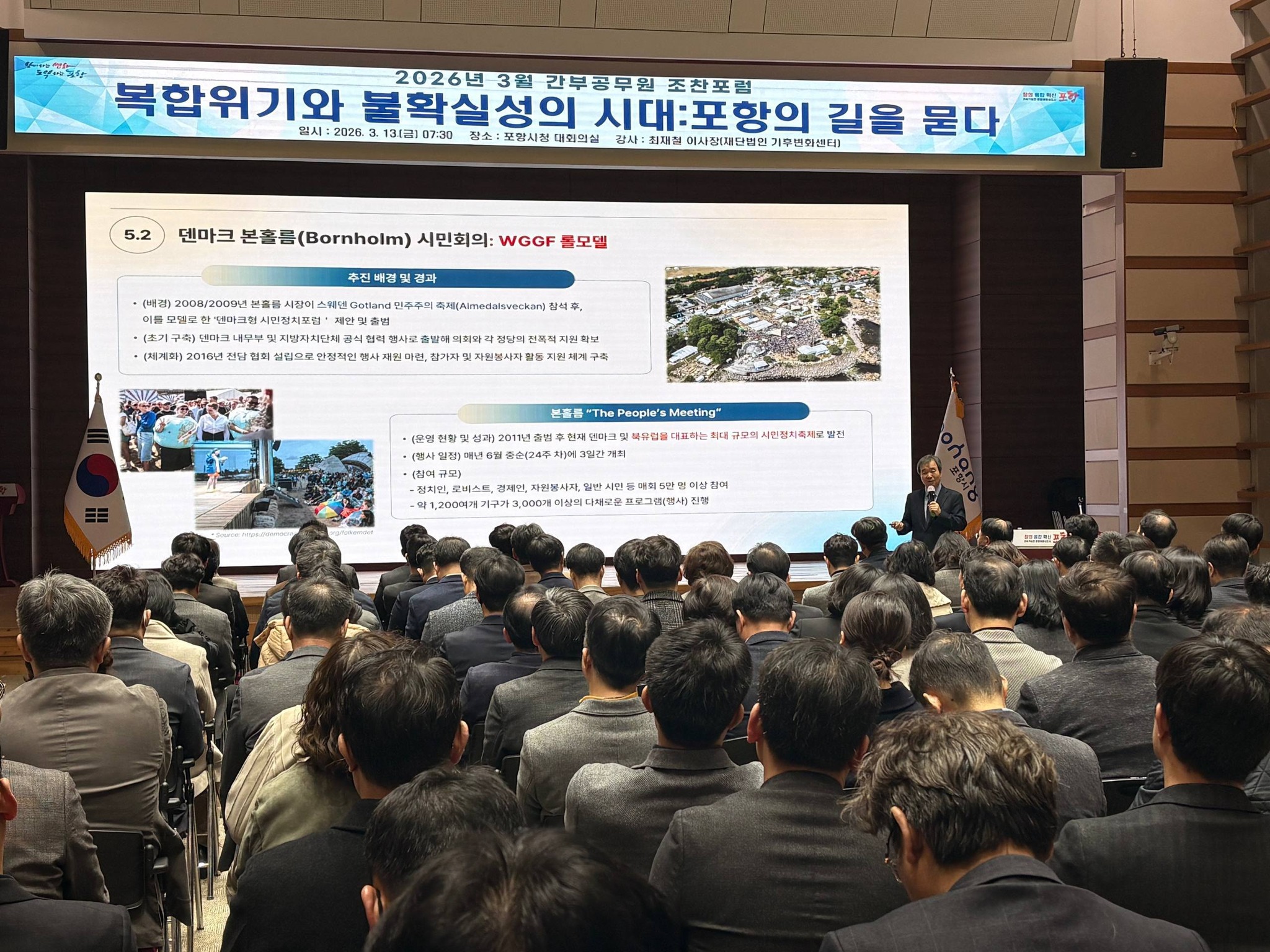
On March 13, Jai-Chul Choi, Chairman of the Climate Change Center, delivered a lecture at a senior officials’ forum held at Pohang City Hall under the theme “An Era of Polycrisis and Uncertainty: Charting Pohang’s Path Forward.” The lecture outlined key directions for Pohang’s development toward 2050.
Learn more
|
|
|
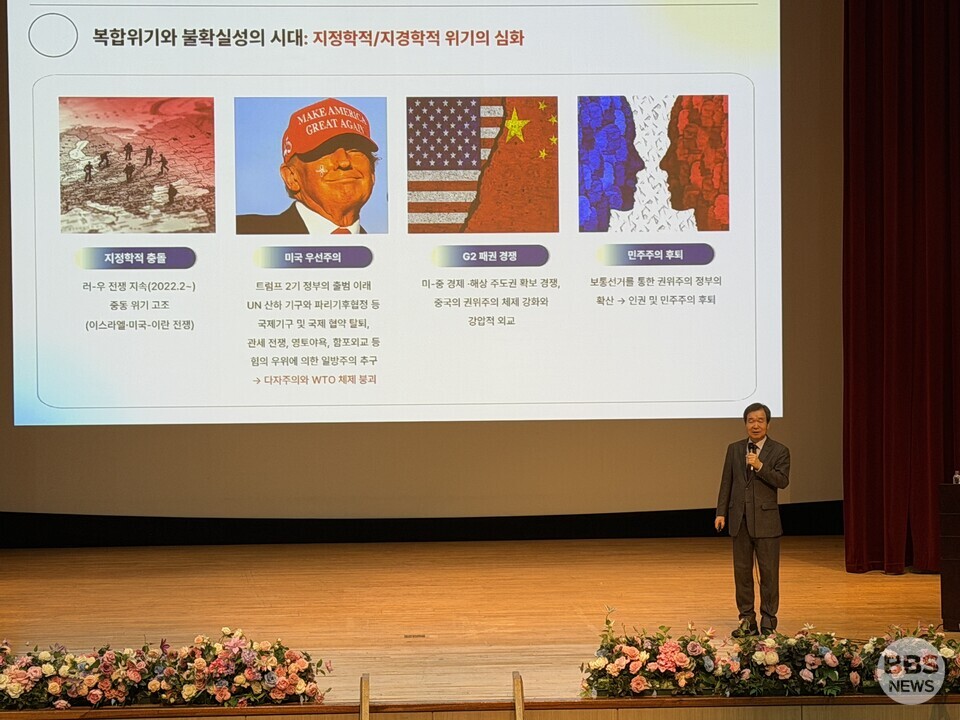
On March 10, Chairman Choi delivered a special lecture at Dongguk University’s Main Auditorium as part of its 120th anniversary commemorative course, “A Journey to Discover the True Self.” The lecture was held under the theme “Lessons from Denmark as a Green Welfare State: Insights from a Diplomat’s Perspective.”
Learn more
|
|
|
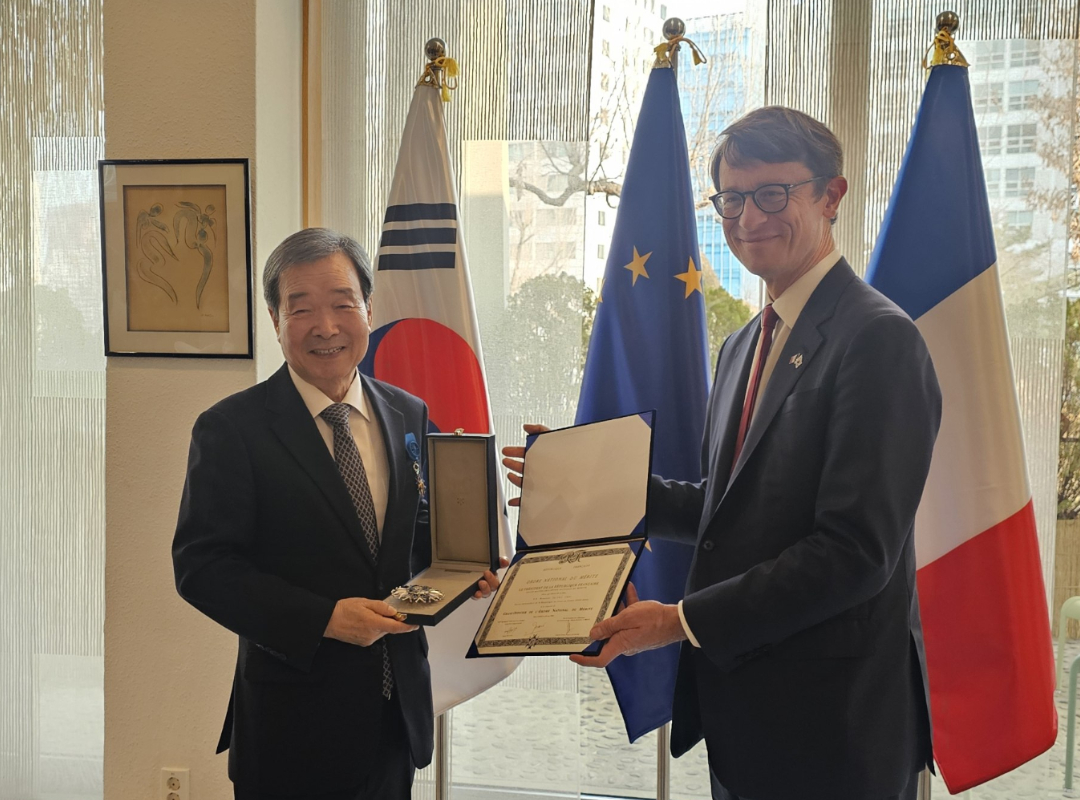
On February 12, Chairman Choi was awarded the rank of Grand Officier of the French National Order of Merit at the Residence of France in Seoul. The decoration was presented by Philippe Bertoux, Ambassador of France to the Republic of Korea.
Learn more
|
|
|
🍀Be part of our journey!
Even a small gesture can help create a healthier planet.
Donation Account : Woori Bank 1005-901-949649
Account Holder : Climate Change Center
|
|
|
Climate Change Center
T. 02-766-4351 | E. info@climatechangecenter.kr
Address : No. 306, Bldg 1, 22, Teheran-ro 7-gil, Gangnam-gu, Seoul, Korea, 06130
|
|
|
|
|