Dr Fatima M. Pillosu, hydrometeorologist and flash floods researcher from the Department of Meteorology, University of Reading, said:
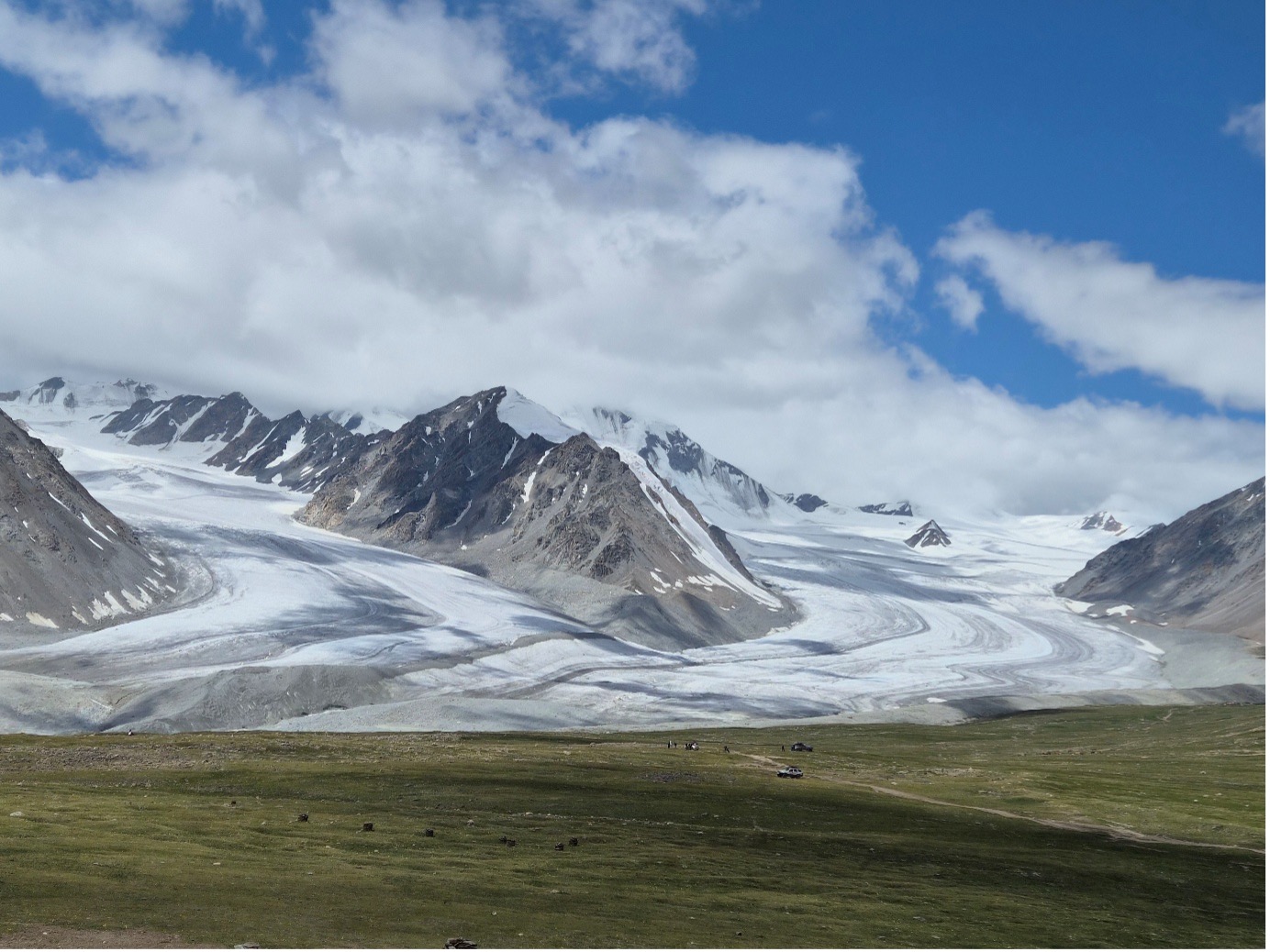
“Everyone in a mountain valley faces the same hazards, but tourists are more vulnerable because they may not recognise the danger or understand local warnings. Visitors from regions where such events are rare may not appreciate how fast a mountain river can rise, nor that these valleys also face avalanches, landslides and floods from melting glaciers, even in dry weather. Knowing in advance what can happen, and what to do if it does, is one of the most useful protections.
“A flood thick with mud and rock can be even more lethal than a rain-fed flash flood. Both can strike with great force and speed and carry boulders and debris along. Fast flowing water can easily pick up anything in its way and carry it off downstream. Mud simply buries people. The moving mass is much heavier than water, and it grows heavier as it travels, scouring soil, gravel and boulders from the riverbed and banks and carrying them along.
“The boulders it carries can destroy buildings and bridges that a water flood might have left standing. When the flow stops, the mud and rock settle into a dense mass that is hard to dig through, making rescue even slower and more difficult.”
Dr Jeff Da Costa, Researcher in Hydrometeorological Hazards, Early Warning & Disaster Risk, University of Reading, said:
“For early warning, you do not always need to know exactly what has happened upstream before taking action downstream. A sudden and unusual change in the river can be enough to warn communities while the cause is being established.
“This is particularly important because the same river corridor experienced a major flood originating in Tibet in July 2025. After that event, Nepalese flood forecasting officials said they had received no advance warning from China and that there was no mechanism in place for sharing that information. Nepal subsequently committed to strengthening coordination with China. We do not yet know what information was available before today’s flood, when it became available or how it moved across the border. Establishing that timeline will be important, including what changed after the 2025 event and how much time communities had to act.
“Early warning in transboundary river basins depends on international cooperation. Monitoring can take place in one country while communities at risk are across the border. Rapid information sharing and trusted communication between neighbouring countries are part of the warning system. This has wider relevance. Many communities around the world depend on environmental information from across a border. Where relations are unstable or cooperation is limited, maintaining those channels becomes critical.
“Events like this can be extremely difficult to predict precisely. Warning systems need to work under that uncertainty by recognising danger quickly, sharing information and having agreed actions that can begin before the exact cause is known.”
Prof Liz Stephens, Professor in Climate Risks and Resilience, Department of Meteorology, University of Reading, said:
“Most people think of flash floods as being caused by heavy rainfall, but in Nepal and Tibet, as in many other high-mountain regions, they can also result from complex chains of hazards, including landslides, avalanches and glacial lake outburst floods. This complexity makes early warning especially difficult.
“Initial reports from Nepal suggest that an earthquake occurred around the same time as a landslide or avalanche, which then led to the catastrophic flooding. One way this can happen in steep mountain valleys is when a landslide blocks a river, allowing water to build up behind it. If that landslide dam, then fails, it can cause a sudden, devastating release of water and sediment downstream.”
Declared interests
Dr Jeff Da Costa: “I have no conflicts of interest to declare. “
Prof Liz Stephens: “No conflicts. Liz also works for the Red Cross Red Crescent Climate Centre.”
For all other experts, no reply to our request for DOIs was received. |