Preparatory Issue 8
April 2022 |
|
|
|
8th Anniversary of the Sewol Ferry Disaster,
We Will Remember and Act |
|
|
|
This April 16th was the 8th anniversary of the Sewol Ferry disaster. Meeting the 8th tear, many of us felt heavy-hearted. We still have a long way to go in building a safe society where life is respected. Even eight years later, demands to reveal the truth and punish the responsible have not been realized.
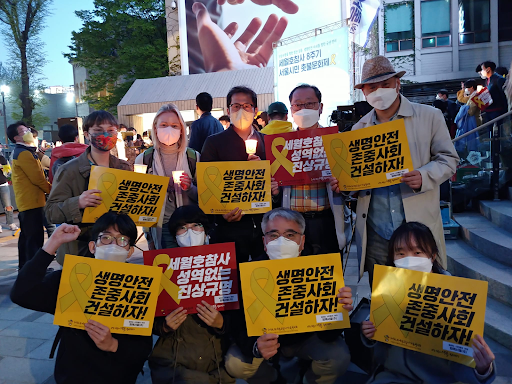
The International Strategy Center participated in the Seoul Citizens' Candlelight Cultural Night held on April 16th for "A strong step towards uncovering the truth, and solidarity for building a safe society." It was a place where people who remembered the Sewol Ferry disaster gathered and promised to act in solidarity. |
| |
|
|
Five years ago, Moon Jae In was elected president with the promise of finding out the truth. Today, as his term comes to a close, he has not yet carried out his promise. Nothing has been done to reveal the truth and punish the responsible. In two weeks, his term will end. President-elect Yoon Seok-yeol has stated, "the most sincere memorial to the victims is to make society safe," adding, "we will work hard until it becomes a safe society." Moon also made such promises in 2017.
If the 2016 candlelight protests have taught us anything at all is that society doesn't move until the masses of us do. As the 4.16 Family Council and the 4.16 Solidarity stated at the event:
“It is impossible to move on to a safe society without revealing the truth of the disaster. Revealing the truth is a promise, and correcting mistakes is a responsibility. The 8th anniversary of the disaster has passed, the government is not properly fulfilling its promise to find out the truth of the Sewol Ferry disaster and punish those responsible, but we will continue to move forward without letting go of hope and expectation. Through fact-finding and punishment for those responsible, we will prevent another disaster, learn from self-reflection, and move on to a safe society where lives are respected."
We will continue to move forward together with hope and expectation. We hope you will join us on that path. |
|
|
|
World Hunger and the War in Ukraine
|
|
|
|
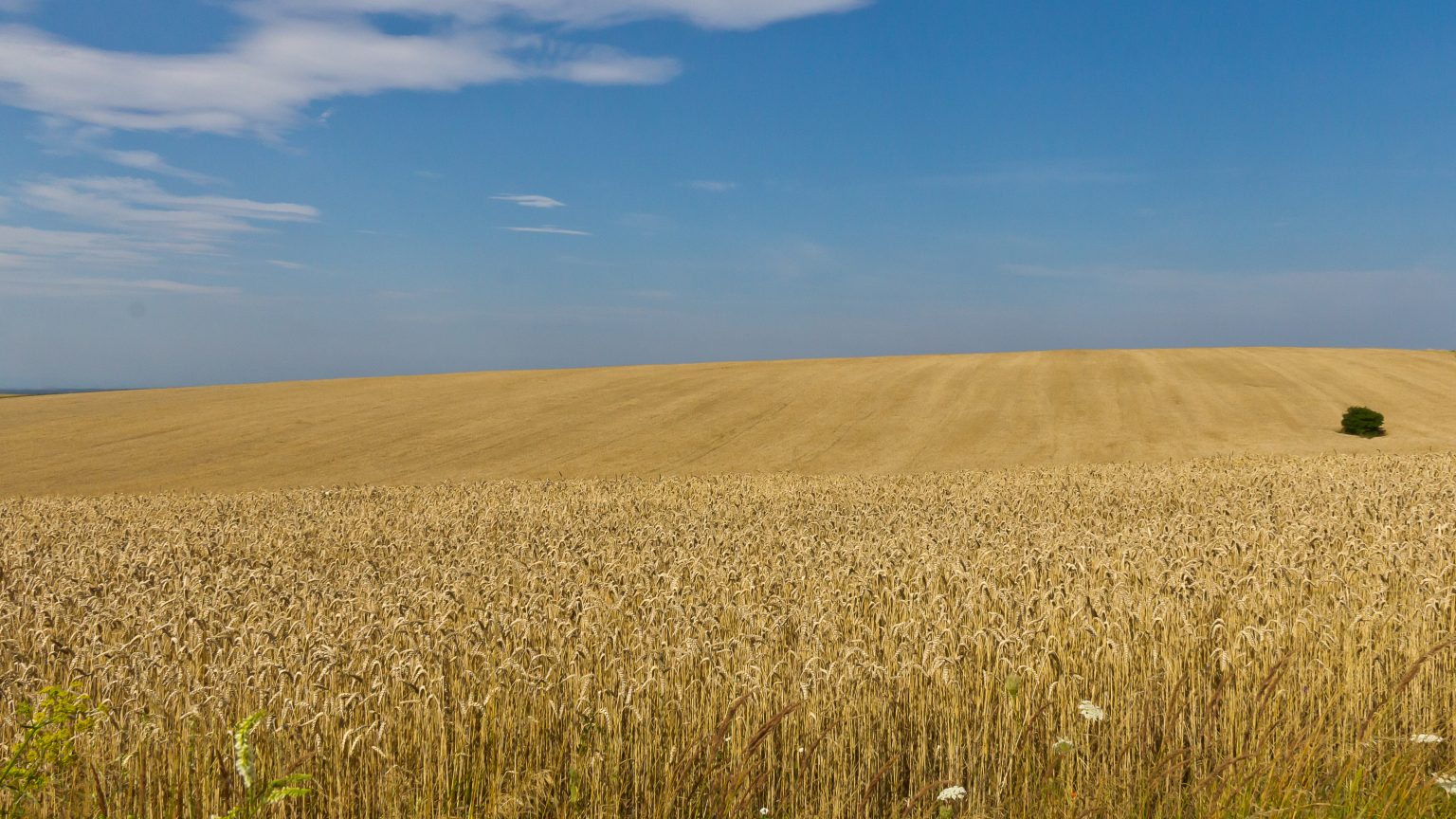
According to the UN, 45 African and ‘least developed’ countries import at least a third of their wheat from Russia or Ukraine – 18 of those countries import at least 50 percent. © Raimond Spekking / CC BY-SA 4.0 (via Wikimedia Commons) |
|
|
|
The war in Ukraine and associated sanctions are exacerbating the already existing crisis of world hunger. The UN’s Food and Agriculture Organisation found that ‘nearly one in three people in the world (2.37 billion) did not have access to adequate food in 2020.’ In recent years, the situation has worsened as food prices have risen due largely to the COVID-19 pandemic, climate change, and related disruptions.
‘Ukraine has only compounded a catastrophe on top of a catastrophe,’ said David M. Beasley, the executive director of the UN World Food Program. ‘There is no precedent even close to this since World War II.’
‘If you think we’ve got hell on earth now, you just get ready,’ Beasley warned.
Regardless of the different opinions on Ukraine, it is clear that billions of people around the world will suffer from this hunger crisis until the war and sanctions come to an end. This brief was prepared by No Cold War. |
|
|
|
Against All Odds, Workers Win First Amazon Union in US |
|
|
|
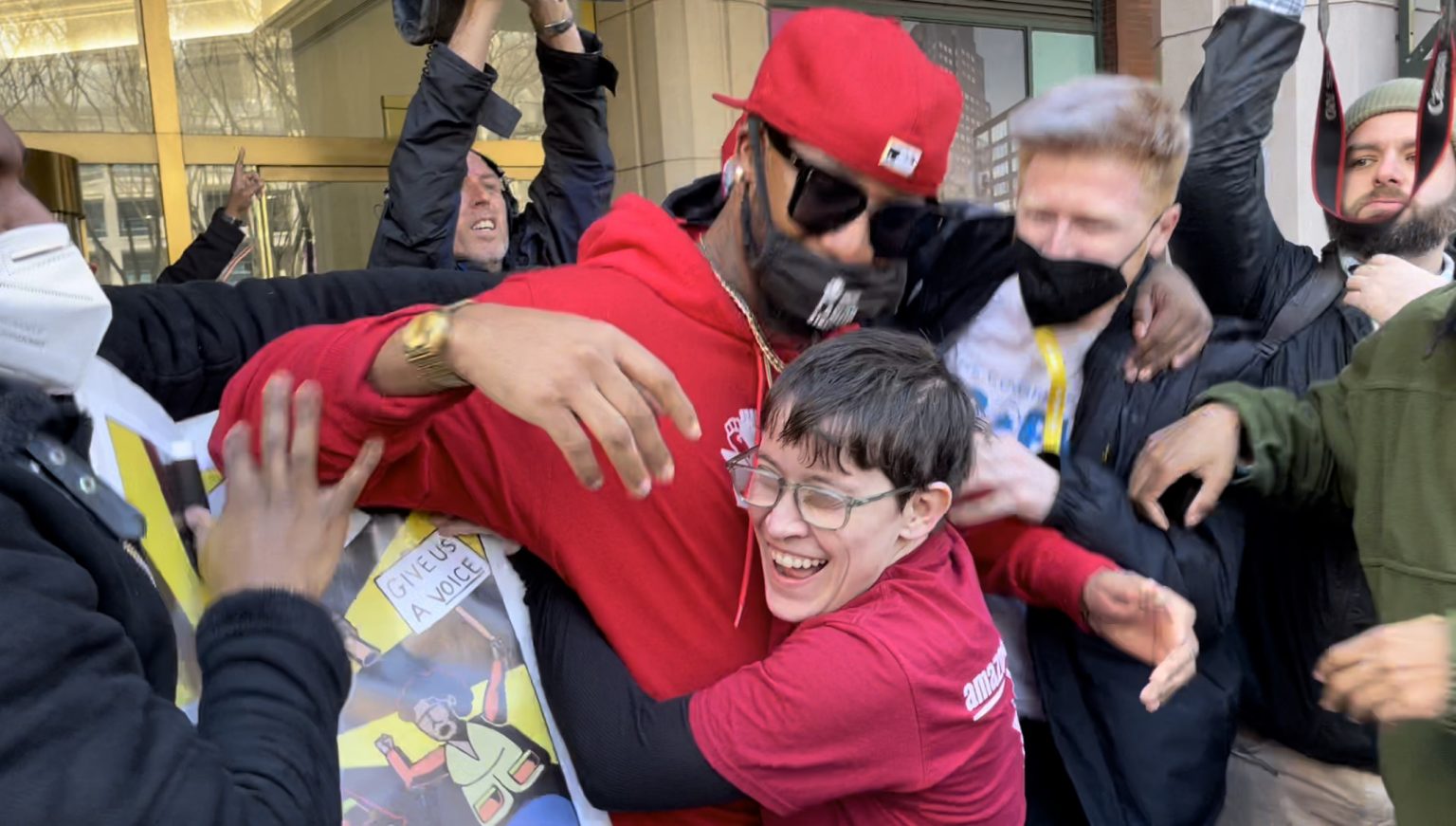
The multi-billion dollar company waged a well-funded campaign against grassroots labor organizers, who, after a hard-fought struggle, successfully unionized a New York City warehouse.
The ALU has a comprehensive list of demands of Amazon. These include a $30/hour minimum wage to account for New York City’s enormous living costs, a pension, childcare, a free shuttle to and from the warehouse, and a fair and transparent promotion system. One important demand is that Amazon “Shut the [warehouse] down with pay during extreme weather events”, especially important considering the six Amazon workers who died in a warehouse in Illinois after Amazon refused to shut down operations despite tornado warnings. The ALU allows for workers to vote and change demands consistently, adding further demands depending on worker feedback.
The next step after winning this union election is for Amazon workers to fight for their first contract. After the worker’s victory, ALU president Chris Smalls said, “This is the catalyst for revolution.” |
|
|
|
[ Apr. Progressive Forum]
How NATO and Sanctions Perpetuate War and Suffering
|
|
|
|
Edited by Dae-Han Song (Networking Team) |
|
|
|
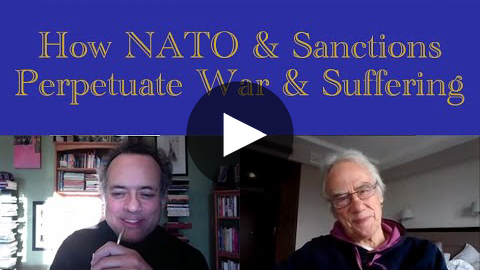
On April 10, the International Strategy Center held its monthly Progressive Forum on “How NATO and Sanctions Perpetuate War and Suffering.” It hosted Reiner Braun (executive director of the 131 year old International Peace Bureau, a founder of the No to NATO Network, and author of Einstein - Peace Now); and Vijay Prashad (journalist, author, and director of the Tricontinental Institute for Social Change). The event involved presentations, followed by questions from the ISC and audience members. Below is a synthesis of the presentations and Q&A.
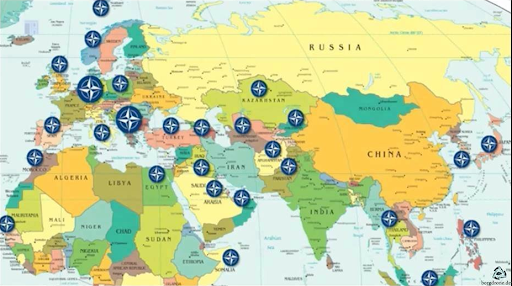
NATO is not a regional security agreement but is, rather, the biggest “global military alliance in the world” with military agreements, exercises, and bases in Asia such as in: Japan and South Korea, both who regularly attend NATO conferences and are part of the US nuclear umbrella; Singapore, which provides a “key harbor for the military exercises in the whole Pacific”; and Malaysia and the Philippines. Furthemore, as Reiner explains, NATO uses “the old colonial relations, above all those of France and Great Britain,” to establish its presence and bases in Africa such as the US drone base in Niger and the US military training facilities in Nigeria. Ultimately, NATO is a global military alliance comprising “56% of the world’s military spending.” The wars it has waged around the world have left countries in ruins: as a result of the 20 year war in Afghanistan “95% of the people in Afghanistan are now suffering from hunger.” |
| | |
|
|
ISC Book Club I - Washington Bullets |
|
|
|
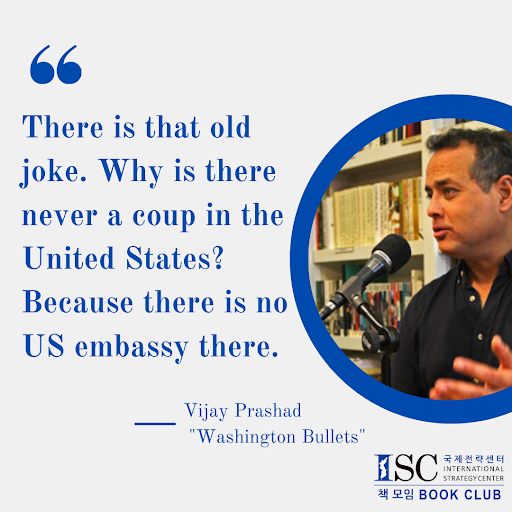
ISC invites you to our first book club studying and discussing Vijay Prashad's "Washington Bullets," which illustrates how, from the Chilean military coup to the Bolivian counter-revolution, US imperialism assassinated the democratic process, revolution, and hopes of people around the world. |
| |
|
|
May 18th Gwangju People’s Uprising:
The Fight for Democracy |
|
|
|
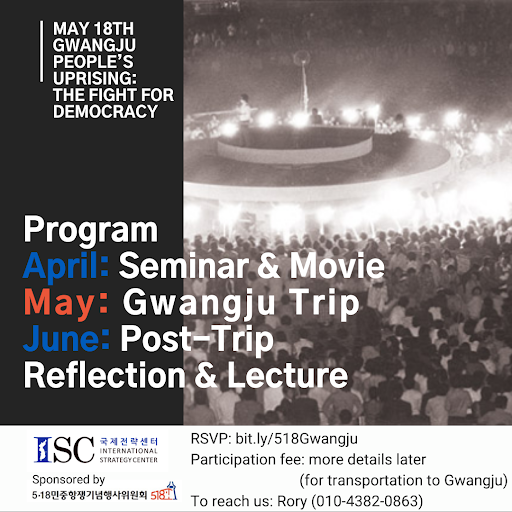
A 3 month program focused on the 1980 Gwangju Uprising. We’ll learn the history through seminars, lectures, and movies leading up to a trip to Gwangju, then we will reflect on the legacy of May 18th, and discuss how to follow in their footsteps. We aim to tell the story of the people and offer an accessible introduction to movements of democratization and those that oppose them. |
| |
|
|
2F, 2 Dosin-ro 47-gil, Yeongdeungpo-gu, Seoul International Strategy Center
|
|
|
|
|