#Statue of Peace #Japan #Germany #NHIS #Slang #Trend #Headline
Hello, reader. Look up! Something's changed, right? Please welcome our new header, designed by our brilliant designer O.T.O😈 This week, we are covering: 🍀Korea vs. Japan in Berlin-5 Minute Read 🍀Who's eligible for National Health Insurance?-5 Minute Read 🍀[Slang] My boss is so bossy. He's OO. 🍀[Trends] Trending unique playlists on Youtube 🍀[Headlines] Dropouts of this week Wanna know more? KOMM'ON here. Before we get into the news…. [Correction of the last week's newsletter] We used the term “quasi-rape” when we introduced the current abortion clause last time. This expression refers to the Korean legal term “준강간”, which means “rape in a case where the victim is not able to resist”. The term “quasi-rape” seems to negate the damage that is done to the victim, and we apologize for not realizing this and using it without any explanation.
In the future, we promise that we will check the words we use more carefully and provide an explanation when it's needed. Furthermore, we will request Korean-English dictionaries to review the cases like this (if you know any wrong or inappropriate Korean-English translations, please let us know: hello@kommon.site). Thank you to the readers who gave us feedback and help us be better. Controversy over a "Statue of Peace" in Berlin 🍀5 Minute Read
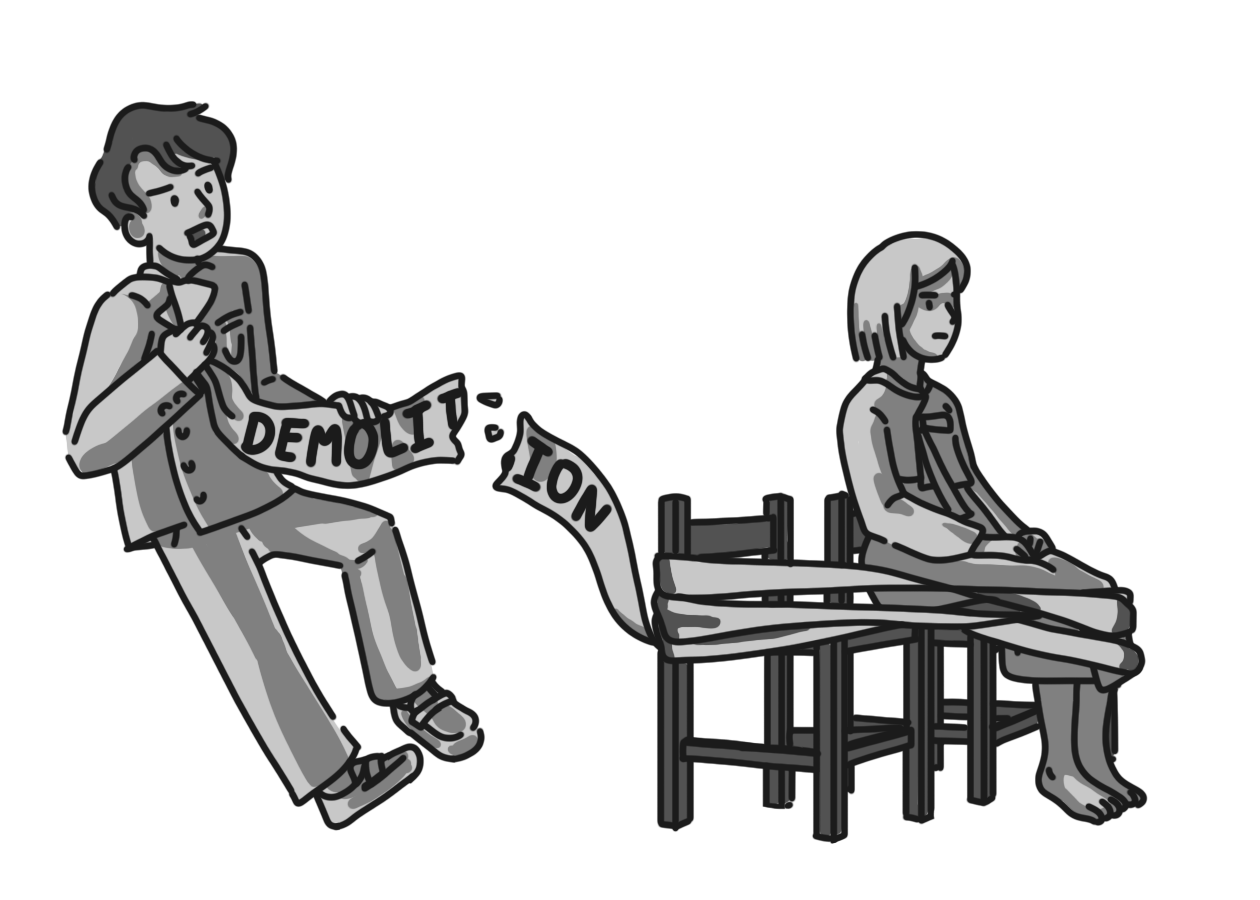
[Illustration by O.T.O] 💁 What's going on? On the 28th of last month, the Korea-Verband e.V. (KV), a German civic group, set up a “Statue of Peace” in Berlin's borough of Mitte, with permission from the Mitte district office and the Berlin City Public Arts Committee. However, the German government ordered its demolition on the 7th after receiving criticism from Japan. In response, the KV has filed an injunction to suspend the demolition order, and the order has indeed been suspended for now. 🙏A symbol of women's rights and peace The Statue of Peace is an art sculpture to honor the “comfort women*” and the correct perception of history. *Comfort women: Mainly women and girls forced into sexual slavery by the Imperial Japanese Army (Wikipedia) A similar statue was first erected in front of the Japanese Embassy in Seoul, on December 14, 2011, for the 1,000th Wednesday Demonstration. These demonstrations are held every Wednesday to call for a solution to the Japanese military sexual slavery issue. The victims are now grandmothers, but they were girls when they were taken away, so the statue was made in the form of a girl. The artist of the statue thought that it could tell the history of these rallies just by itself. The Statue of Peace is called by various names, such as “Monument of Peace” and “순이” (Sooni). 😮Why did the German government ask for the statue’s demolition? On October 1, Japanese Foreign Minister Motegi Toshimitsu, during a video call with German Foreign Minister Heiko Mas, asked for the removal of the Statue of Peace. He took issue with its inscription, saying it shows a sense of nationalism. The contents of the inscription The Japanese army in the Asia-Pacific region during World War II forced a number of girls and women into sexual slavery. This statue remembers the distress of these comfort women. Breaking the silence on August 14, 1991, it is a tribute to the courage of the survivors who oppose the recurrence of such crimes worldwide. The statue is donated by the “Korean Council for Justice and Remembrance for the Issues of Military Sexual Slavery by Japan” and was set up by the Korea-Verband’s subcommittee together with the newly founded "Statue of Peace Alliance". The Mitte district office said in the official letter of removal that “The Statue of Peace has put a significant strain on German-Japanese relations”. No unilateral ruling should be made on historical events between the two countries in a friendly relationship, and the crimes of sexual violence by German soldiers in the past should also be included. The office also expressed difficulty, saying that the inscription causes a conflict between Korea and Japan and gives an impression of opposition to Japan. 😶However, it will stay for a while Eventually, the Mitte district office decided to remove it. However, there was a strong backlash from local civic groups and citizens. In the end, one day before the demolition deadline, the demolition was put on hold for about two to four weeks until the court rules on the injunction. The Mitte district office has also changed its position, saying that it wants to come up with a compromise that can be regarded as a fair deal between the interests of the Korea-Verband and the Japanese side. 👭Who tried to protect the statue? The Korean-Verband, which led the installation of the statue and the Korean Council for Justice and Remembrance emphasized that this is an international and universal issue of women's human rights. Koreans were not the only ones trying to protect the Statue of Peace. About 40 local civic groups participated in the campaign against the removal of the statue, including members of the “Japanese Women's Initiative”, a local civic group. Those who want to protect the statue say that the installation of the statue is not just a dispute between Korea and Japan but represents a universal problem for mankind. They argue that the sacrifices of the comfort women symbolized by the statue are only one example of wartime sexual violence. 👪The reaction of the German society Much criticism(Korean) has been raised about the decision to remove the statue. Former Prime Minister Gerhard Schroeder joined the campaign against the demolition, and the Social Democrats and the Green Party also criticized the decision. In particular, many in Berlin's civil society criticize the head of the Mitte district, a member of the Green Party, for misinterpreting the issue of women affected by the war as a matter of nationalism despite being a progressive force. "The way Germany and the Japanese government acted shows how much we need these statues," German progressive media “die Tageszeitung” said in an article on October 8. 😯How did the Korean government respond? In Germany, there are already two other Statues of Peace. The inscription of the statue that was erected in a private park near Regensburg, Germany, was eventually demolished due to strong pressure from Japan. Considering the previous case in which the inscription was eventually removed, revising the inscription might protect the statue. The Korean government is therefore considering revising the contents of the inscription to honor women from all over the world who suffered during war, regardless of nationality. 👀There are several movies with comfort women as the main characters: More about the Statue of Peace💬 -👩 The girl's bobbed hair means a break of her ties with her parents and hometown. -👣 The bare feet with the heels lifted symbolize the wandering of victims who failed to settle down after the war. -🐤 The bird symbolizes a connection between our reality and the victims who have passed away. -🙎 The empty chair next to the girl is for all victims who have passed away or have not been exposed to the world. This chair is open to the public. It is a place to reflect on human rights and history, together with the girl. 👚Various Korean civic groups and students dress the statue with scarves, gloves, and capes in winter and hats in summer to honor the meaning of the Statue of Peace. 👐Statues of girls are being built all over the world by people who sympathize with the idea. You can see the locations of the statues and monuments around the world on this map. Korean National Health Insurance System (국민건강보험, NHIS): Are Overseas Koreans and Non-Koreans Residents "Freeloaders"? 🍀5 Minute Read
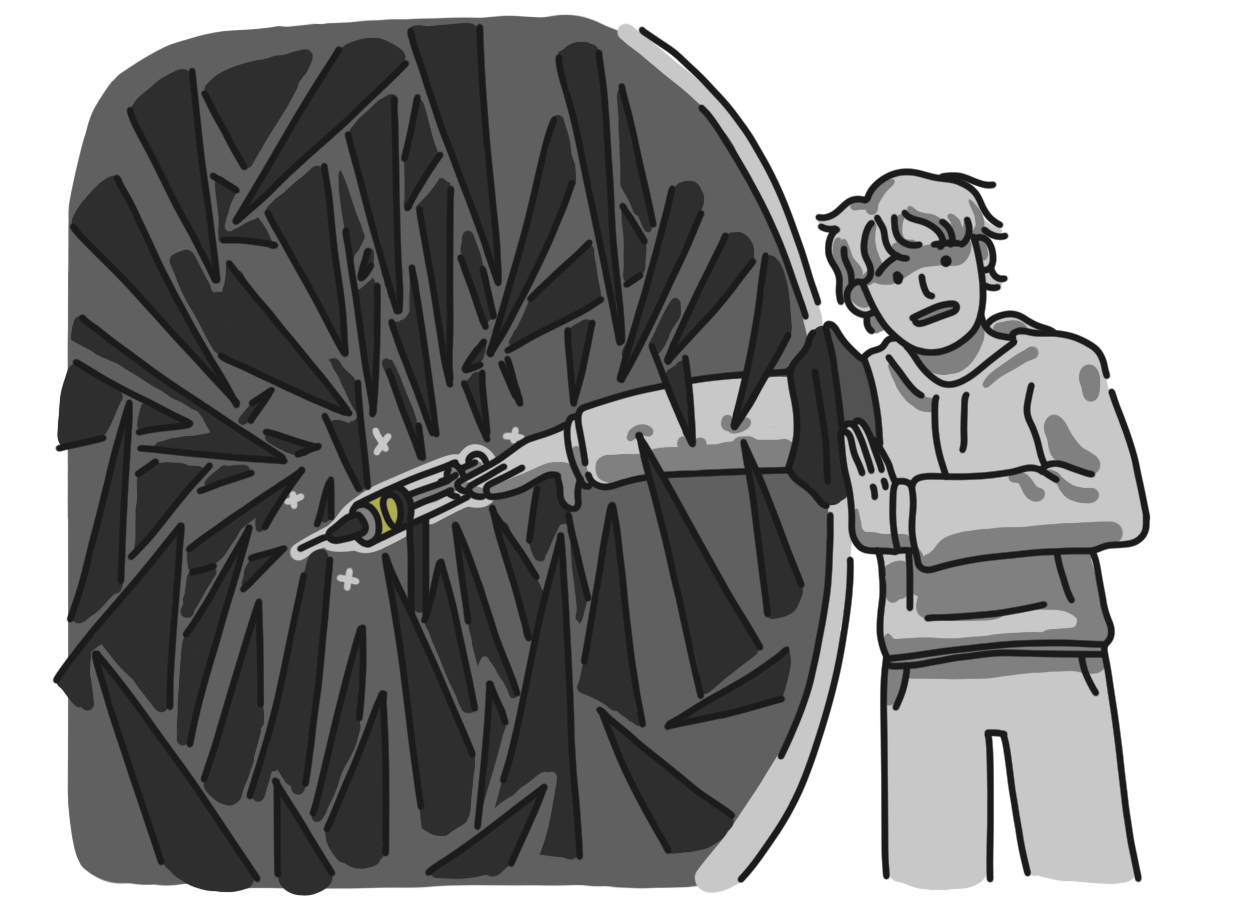
[Illustration by O.T.O] 😯 Freeloaders? Controversy over foreign nationals and non-Korean residents using the NHIS On October 10, a famous online streamer and chef, Gabie Kook, held a controversial birthday party during her self-quarantine after returning from the UK. But the controversy turned into a bigger scandal after her apology for her party video. She stated that she visited Korea to get medical treatment, to bypass the long waiting times she faces in the UK. She claimed that she is not a freeloader and that she always paid her national health insurance premiums. But many Koreans doubted how she has been paying into the NHIS, since she has resided in England for a long time. The payments are stopped when a Korean national leaves the country for more than three months. For foreign nationals and non-Korean residents, it takes only one month to cancel their contributions. 💁 What is the NHIS? NHIS: Korean National Health Insurance System The NHIS is the health care system of Korea operated by the Korean government. Health insurance subscribers can receive large insurance benefits for medical expenses. The NHIS covers 50 to 80% of the total medical expenses of the insured. The insured can also get a free health check-up once every two years. NHIS subscribers can be grouped into those with “employee insurance” and those with “local insurance”. Employee insurance holders are those who have a job and can pay their contribution. Local insurance holders are those who do not have a job and are usually dependents of employee insurance holders. Despite the NHIS's wide-ranging benefits, the premiums are low: It costs only six percent of the monthly wage of an insured employee. 👉 Can overseas Koreans and non-Korean residents enroll in the NHIS? Both non-Korean residents residing in Korea and overseas Koreans can use the NHIS if certain conditions are met. The conditions are: 1) Employee insurance: Both non-Korean residents and overseas Koreans are automatically enrolled in the employee insurance system when they are employed in Korea. 2) Dependents of employee insurance holders: If non-Korean residents or overseas Koreans have an employee insurance holder as a family member, they can enroll in the NHIS as their dependents. 3) Local insurance holders: Non-Korean residents and overseas Koreans can enroll in the NHIS if they have lived in Korea for more than six months. 😣
“They should not be allowed to enroll! It's not fair for “foreigners” to benefit from the NHIS operated with Korean money!”
Regarding the Gabie Kook case, some Koreans resent the fact that “foreigners” enjoy insurance benefits just as Koreans do. They claim it is unfair that even though “foreigners” do not contribute to the system or only made a small contribution, they enjoy the same benefits as Koreans. In fact, there are some overseas Koreans and non-Koreans who take advantage of the NHIS without making appropriate contributions. In 2018, about 100,000 overseas Koreans(Korean) received treatment without providing contributions, which resulted in a 19 billion won loss for the NHIS. Since 2015, about 330,000 non-Korean residents(Korean) have been caught receiving insurance benefits illegally. The treatment fees the NHIS covered for them amounted to 31.6 billion won. 💬 But the truth is... However, health insurance statistics show that overall, overseas Koreans and non-Korean residents pay more into the NHIS than they receive. According to statistics on non-Korean subscribers from 2013-2017, the NHIS recorded a surplus of 1.1 trillion won(Korean) over five years from these subscribers. Non-Korean local insurance holders caused a deficit of 700 billion won over those five years, but overall, the non-Korean insurance subscribers created a surplus, as non-Korean employees made up for the loss. Overseas Koreans also contribute more money to the NHIS than they take from it. In 2016, overseas Koreans provided premiums of 29 billion won(Korean) to the NHIS, while they received only 21 billion won in treatment fees. Contrary to the prejudice that some Koreans hold, non-Korean and overseas Korean subscribers contribute a lot to the NHIS. Also, the deficit caused by non-Korean and overseas Korean local insurance holders is not caused by freeloaders. Korean local insurance holders also cause a large deficit in health insurance contributions. In fact, the NHIS structure leads to an automatic loss from local subscribers. Employee insurance holders are generally young and healthy, with most of them in their 20s through their 50s. On the other hand, the local insurance holders include older, retired household members who usually need a lot of medical support. In conclusion, the deficit caused by non-Korean and overseas Korean local insurance holders does not stem from freeloaders but from the medical needs of the demographic that is locally insured. 👮 Response to freeloaders However, it is true that some overseas Koreans and non-Koreans take treatment fees from the NHIS without contributions. The Korean government implemented some measures to stop such freeloaders. In December 2018, the Ministry of Health and Welfare increased the minimum period of stay for overseas Koreans and non-Korean residents to be able to enroll in the local insurance system of the NHIS from three to six months(Korean). From July 2019, the government imposed mandatory subscription(Korean) to the NHIS on overseas Koreans and non-Korean residents, to prevent reverse selection. In March, an amendment to the National Health Insurance Act was passed to block freeloaders. However, the amendment does not impose complete premium suspension but charges only one month of premiums if one enters and leaves Korea within a month. The controversy over the scope of NHIS coverage is still ongoing. 🍀 Reverse selection? Reverse selection refers to the phenomenon that only people who are likely to claim insurance benefits (e.g., elderly people, people with chronic diseases, etc.) subscribe to the insurance system. If reverse selections occur inordinately, an insurance system cannot survive. In order to prevent this, most social insurance policies are based on compulsory subscription for those who are not likely to claim insurance benefits. 👭Korean Slangs
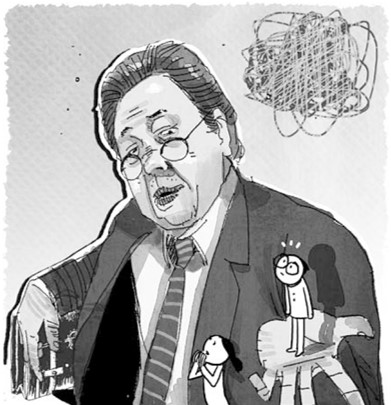
[source: http://m.raythep.com/Politics/Column/View/15798] Are you kkondae? Meaning: The term "꼰대"[kkondae] refers to someone authoritative who thinks they are always right. A 꼰대 tries to use their authority and power to lead people instead of using their influence respectfully and likes to lecture someone younger or in a lower position than them, which is usually not welcomed. Origin: At first, the word was mostly used for middle-aged men, but now it is being used independently of age and gender. “젊은 꼰대” refers to someone in their 20s or 30s being a 꼰대. Example: A: 나이도 어린 게 말이야, 꼬박꼬박 말대답을 하잖아.
B: 너 꼰대냐? 왜 이래? A: That kiddo just keeps talking back to me. How dare he? B: Are you a kkondae? What's the matter with you? 👭What's trending now? ASMR. Some of my friends are huge fans of listening to ASMR on Youtube. To be honest, I thought that's a bit creepy. Well, I'll take that back now. It's awesome. Some are so satisfying, and others make me calm. Here are some ASMR videos of Korean Youtubers I've been enjoying nowadays. *Click an image for a video  1. Washing hair in a hair shop” I can't help but watching it again and again. Yeah, you might think it's kind of creepy, watching another person having their hair washed, but I find it so satisfying. Listening to it I feel like I'm washing my own hair. I can almost smell the shampoo and feel fresh just like right after I take a shower. 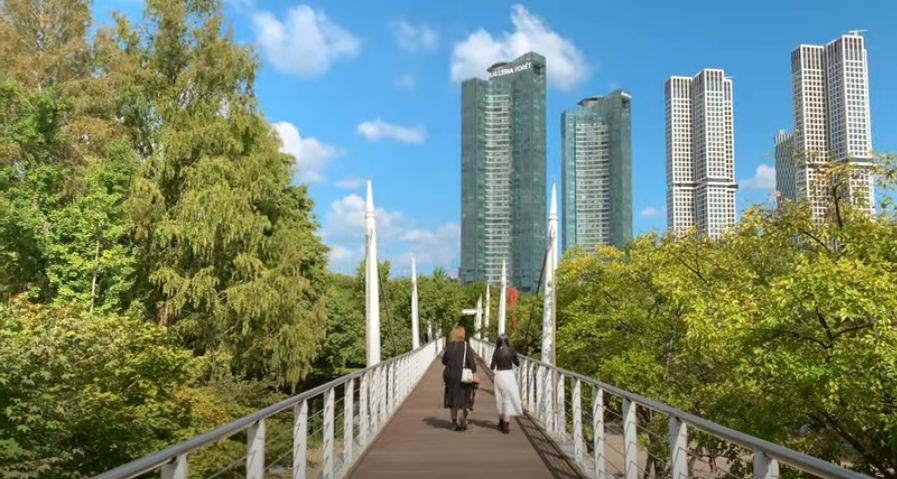 2. "Picnic in Seoul Forest Park Sunday afternoon walk" I love the peaceful atmosphere of this video. Filmed in 4k, the blue sky and the park in the fall is so beautiful. Can't remember the last picnic I had, and this video is the perfect alternative. 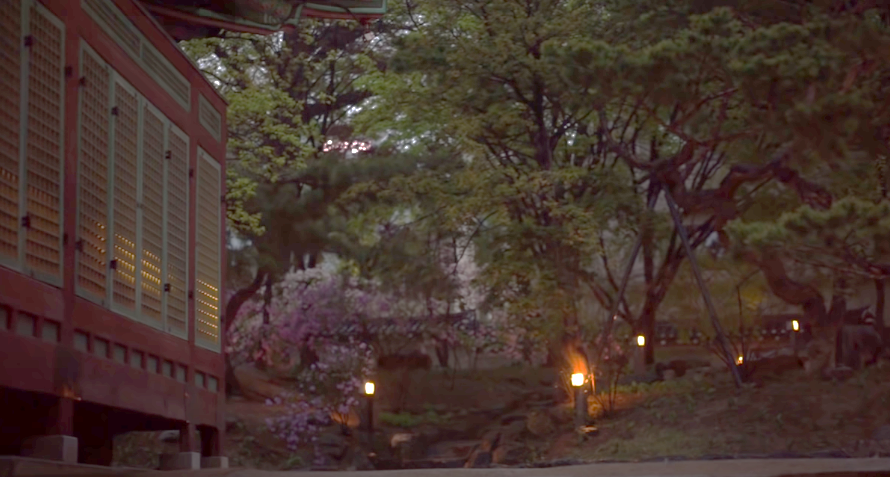 3. Raining 덕수궁 (Deoksu palace) There's nothing but the sound of raindrops. Rain falling from a 한옥 [Hanok] (Korean traditional house) makes me feel so calm. I play this when I want to get a good night's sleep. Also, You Might Not Wanna Miss This...😉 Introducing: this week's dropouts. This wasn't selected as one of our main topics, but it is still worth knowing. 1. Successive deaths after getting flu shot. Starting from a 17-year-old boy in Incheon, five cases have been reported so far. The cause of death is not yet determined. Link 2. The limitation on the number of students allowed into schools is going to be eased, from 1/3 of the total number of students to 2/3 as the social distancing level is lowered. The first graders of elementary school will start going to school every day. Link 3. The Ministry of National Defense of Korea and the US issued a joint statement. The clause that stated that the current US force level will be maintained has been deleted. People assume that the US government will reduce its defense expenses as well as the force level in Korea. Link 4. "가짜사나이 2" (Fake Men 2), one of the most popular Korean Youtube shows, which shows the cast undergoing harsh military training, ended early due to a controversy about the casts' private life and harsh treatments seen in the show. Link (Korean) 5. A strong backlash from Chinese fans over a speech BTS gave. On October 7, BTS referred to the Korean War as "the history of the hardships that Korea and the United States experienced together." Chinese fans interpreted this as ignoring the sacrifices of Chinese soldiers who fought on the North Korean side in the Korean war against the U.S. The media and public opinion outside of China criticized the Chinese fans' response as chauvinistic. Link 6. Justice Minister Choo Mi-ae ordered the top prosecutor to stop supervising the ongoing investigations into a high-profile fund scandal. Speculations have arisen that Prosecutor-General Yoon Seok-Yeol did not supervise the Lime-Optimus fund fraud investigation fairly. It is uncommon for the Justice Minister to supervise the prosecution's investigation, but Minister Choo claimed that her order was a necessary measure. Link The best thing you can do for us: Leave feedback! KOMMON TEAM 수수🌾 Sans 🌻 바코🌊 오티오😈 쟈🍉 군밤🌰 기린🌴 쏘😺 기니👑
|