#Lunar Calendar #정월대보름 #설날 #떡국 For dark mode users,
Hello, reader! Today, we are covering: Cultural Insight: How to Notice Up-coming Holidays in Korean Way: Lunar Calendar Slang: Ppalgan-nal (빨간날) +) Do you want to support KOMMON? Check out the link at the end of the newsletter🙌
How to Notice Up-coming Holidays in Korean Way: Lunar Calendar Writer: Gayeon Shin Editor: Hayeon Cho Copy editor: Fred Mcnulty
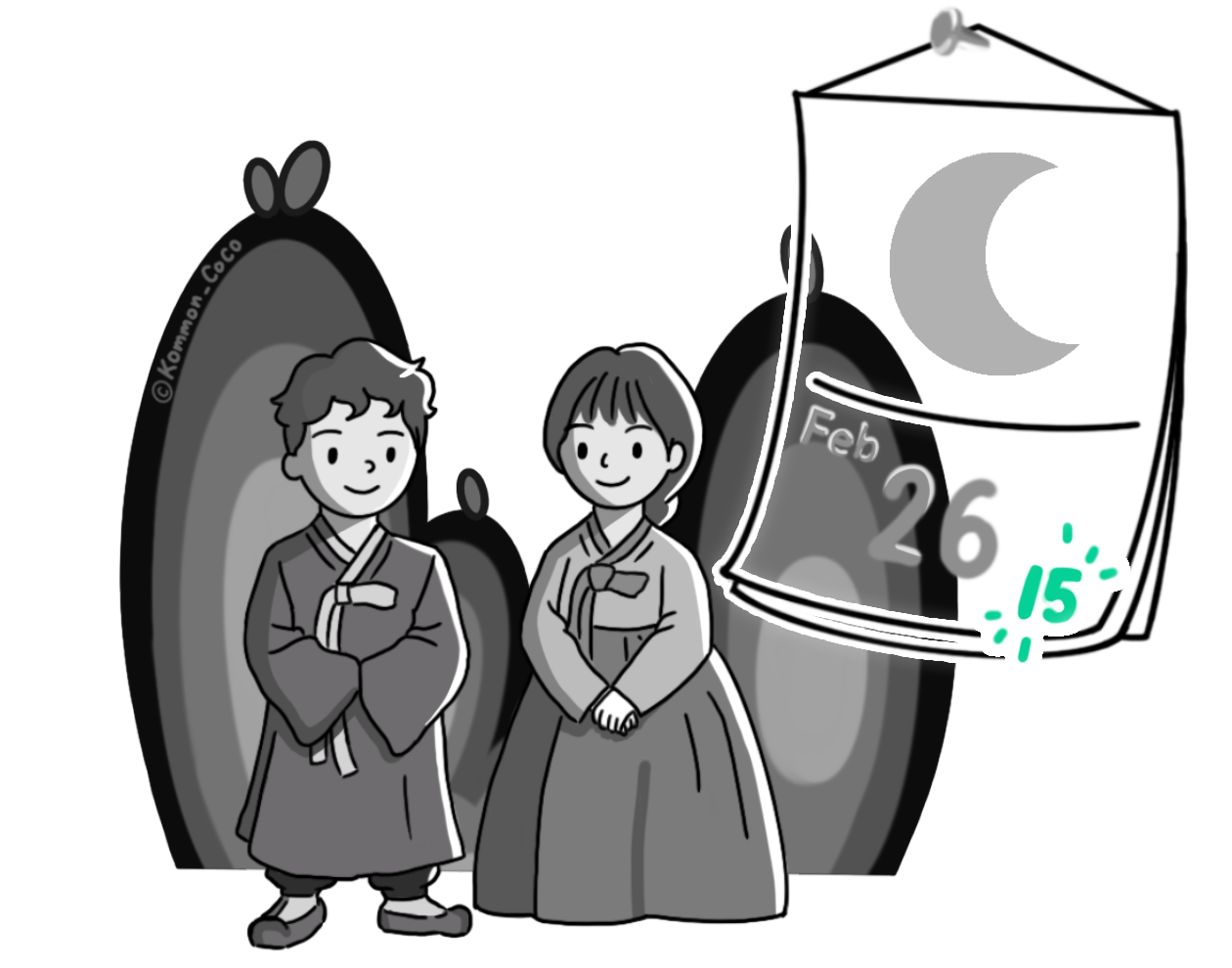
[Illustration by COCO] Happy New Year, Again! Happy New Year, dear readers! You might ask if we’re over a month late with ringing in the new year – but you wouldn’t wonder this if you are in Korea. Two weeks ago, Koreans said happy new year to one another again in celebrating Lunar New Year’s Day, Seollal (설날). The Lunar Calendar Koreans celebrate New Year twice; once with the solar calendar and once with the lunar calendar. You might have come across the small letters in Korean calendars that mark the lunar dates. Although the solar calendar—the Gregorian calendar—is official in Korea like most other countries, the lunar calendar is still in use.
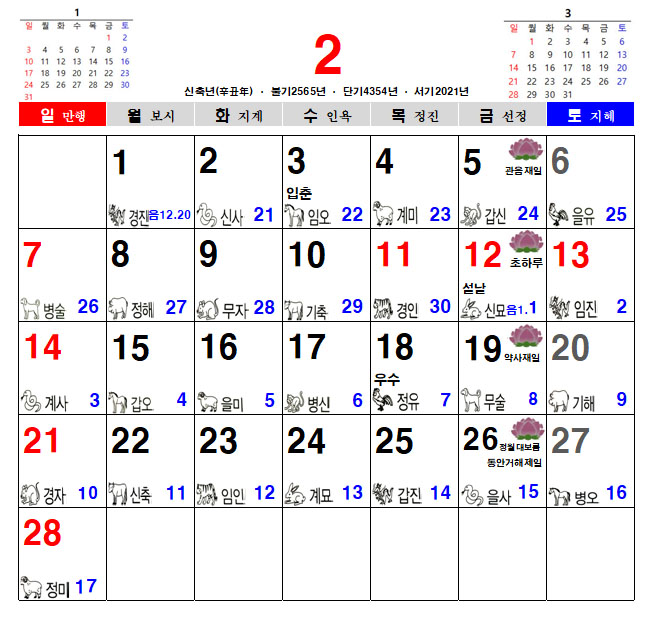
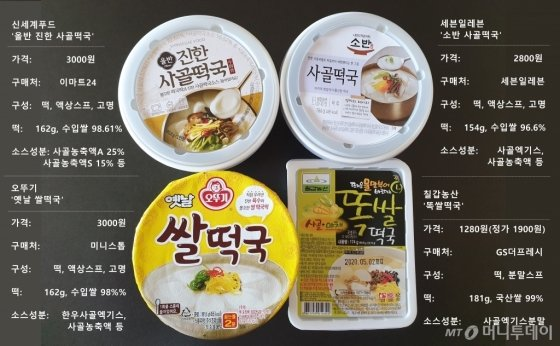
[source: http://www.kwanyongsa.co.kr/bbs/board.php?bo_table=bubmun_mujin&wr_id=1255] The lunar calendar, as its name indicates, is a dating system based on the moon. Its origins date back to ancient times, as far back as 8000 BC. The moon changes its shape distinctively unlike the invariant sun, so the phases of the moon were easily observable even in the past. Ancient civilizations started counting dates according to the cycle of the moon and created the lunar calendar. Its dates are similar but not identical to the solar calendar and this discrepancy made it possible for us to have two New Year’s Days. Korea officially adopted the solar calendar in 1896. Before then, the lunar calendar—technically a lunisolar calendar, which originated in China—was the only dating system. Thus, important traditional holidays are mostly based on the lunar calendar. Some people from older generations still feel familiar with the lunar dates; they sometimes even celebrate their birthdays according to the lunar calendar! Additionally, knowing the lunar calendar is helpful in understanding Korean culture, especially traditional culture. The first month of 2021 in the lunar calendar starts in February and there are two important Korean traditional holidays in the first month: Seollal (설날) and Jeongwol Daeboreum (정월대보름). Seollal, as mentioned above, is the Lunar New Year’s Day and 15 days after Seollal is Jeongwol Daeboreum, when the first full moon of the year rises. These two traditional holidays are each celebrated in distinctive ways. Let’s take a quick look at what these are and how Koreans enjoy them. Seollal Seollal is the first day of the first month in the lunar calendar. It’s a Korean national holiday that lasts for three consecutive days and in 2021, Seollal fell on February 12th in the Gregorian calendar. Koreans luckily had 4 days off this year from February 11th to 14th because the 14th was a Sunday. January 1st in the Gregorian calendar, the New Year’s Day that most of us are familiar with, is called Sinjeong (신정) and is a one-day holiday in Korea. Seollal is probably the more authentic New Year’s Day to Koreans since it embodies the Korean history of traditionally using the lunar calendar. The first day of the first month in the lunar calendar is also widely celebrated across Asian countries that share the lunar dating system, including China, Vietnam, and many more, each with unique names and traditions. Tteokguk (떡국), sliced rice cake soup, is a traditional dish for Seollal. A white, chewy, and long rice cake is used to wish longevity and good luck for the new year. The rice cake is sliced and boiled usually in beef broth but the recipes vary by family and region. Extra eggs or dumplings may be added in the tteokguk. Some recipes use chicken broth. One thing is common though: no tteokguk is spicy. It is Korean culture to believe that eating a bowl of tteokguk will make you a year older. Tteokguk used to be a special kind of food only eaten in Seollal, but nowadays, it has become an everyday dish that people can enjoy at any time of the year in restaurants. There are also instant tteokguk products you can buy for less than ₩3000.
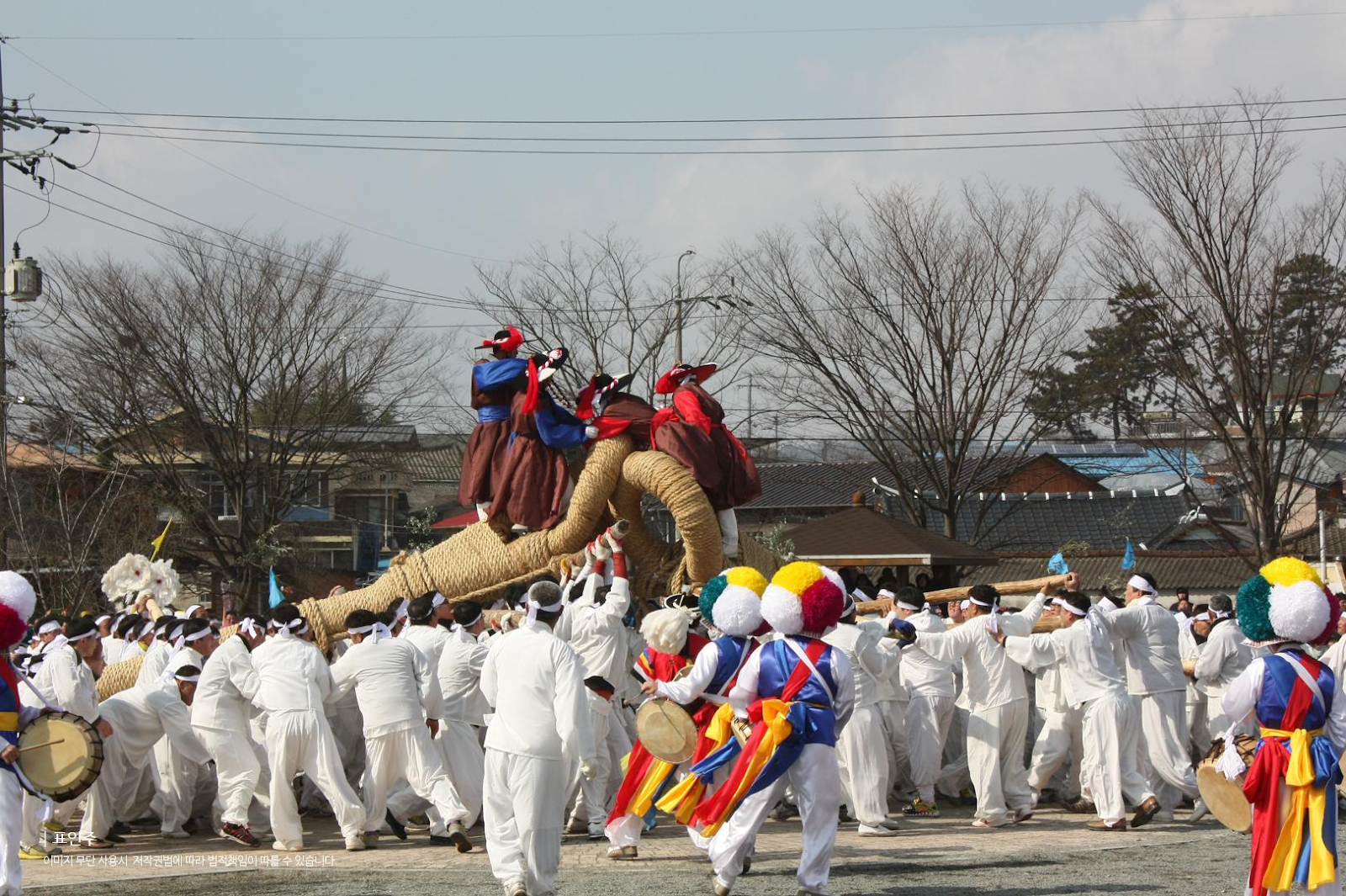
[source: https://news.mt.co.kr/mtview.php?no=2020012418423827284&VMT_PT] Seollal is more of a family holiday and is celebrated with Confucianist traditions of respecting the ancestors and the elderly. One of the traditions is Charye (차례). For charye, a full table is set for ancestors with tteokguk. Then, the family members perform rites to pay respect to the ancestors. Another is Sebae (세배). Wearing new clothes, younger people bow to the elderly wishing their health and happiness in the new year. The elders usually respond by giving money called Sebaet-don (세뱃돈), wishing the same. The symbolic meaning of good luck conveyed through the new bank notes for Sebaet-don matters more than the amount of money. Koreans also often play games with family members during Seollal holidays. Yutnori (윷놀이) is a traditional board game played with four sticks called yut (윷) instead of dice to move around the board. Other games using Hwatu (화투), such as Gostop (고스톱), is popular, too. Hwatu is a set of small red cards with illustrations symbolizing the 12 months of a year. It recently appeared in Space Sweepers, the new Korean sci-fi film on Netflix. 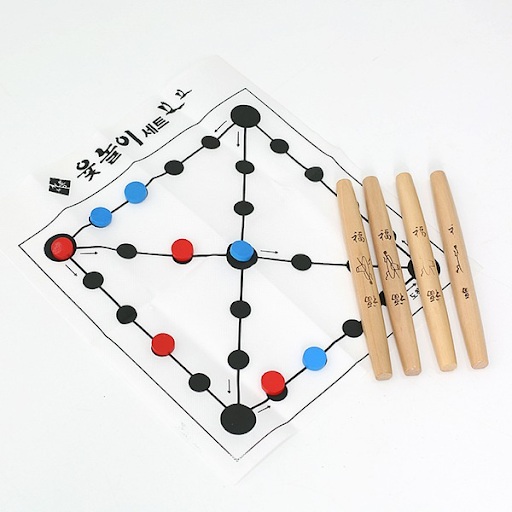 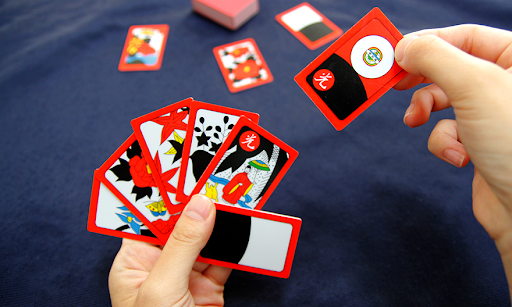 [source: http://itempage3.auction.co.kr/DetailView.aspx?itemno=B711845301 https://univ20.com/50250] Jeongwol Daeboreum After 15 days from Seollal is Jeongwol Daeboreum. Jeongwol means the first month of a year based on the lunar calendar. The full moon in Korean is called boreumdaal (보름달). Since it’s when Koreans celebrate the first full moon of the year, the day is often called Daeboreum in short; a compound of “dae (대),” which means “big,” and “Boreum” from “Boreumdaal.” The moon has a deep cultural context because Korea relied heavily on agriculture and the lunar calendar in the past. People scheduled their agricultural tasks according to the cycle of the moon. Plus, the full moon symbolizes agricultural prosperity. Watching the first big full moon, people traditionally wished for good luck throughout the year. In the morning of Daeboreum, Koreans crack nuts with their teeth. This is called cracking Bureom (부럼). Bureom is an abbreviation for Bu-seu-reom (부스럼) which means “boils”. People believed that cracking nuts would heal the boils. Ogokbap (오곡밥) is a typical dish for Daeboreum. It’s a rice dish made with more than five different grains and beans and is believed to bring agricultural prosperity and health. Unlike Seollal though, Jeongwol Daeboreum is not a national holiday. Few people notice or celebrate Jeongwol Daeboreum nowadays and traditions for the day are hence barely conducted. Some people might go for a walk at night to see the full moon and make a wish. Nevertheless, Jeongwol Daeboreum folk cultures are well passed on in some areas. For example, Chuncheon, a city in Gangwon province, holds a local festival for Daeboreum annually. People wait till the full moon rises and burn stacks of dry branches and straws, wishing to get rid of bad luck along with harmful insects. Gwangju Metropolitan City had traditionally played Gossaum Nori (고싸움 놀이) on Daeboreum, and it is even designated as an intangible cultural asset.
[source: Yonhap News] Lunar Calendar and Korea Besides Seollal and Daeboreum, other Korean national holidays such as Chuseok (추석), the Korean Thanksgiving, or Dano (단오) are based on the lunar calendar. Be careful though, the lunar calendar can be really tricky. The way the lunar calendar counts dates doesn’t coincide with that of the Gregorian calendar. For example, Seollal in 2021 falls on February 12th in the Gregorian calendar, but it was on January 25th in 2020 and it will be February 1st in 2022. It’s necessary to separately look up the lunar dates to keep track of Korean holidays as their dates keep changing in the Gregorian calendar. Some Korean websites, such as Naver, provide tools to convert Gregorian or solar calendar dates to lunar calendar ones, and vice versa. If you go to Naver and search yangnyok (양력, solar calendar) or eumnyok (음력, lunar calendar), the site will display a helpful conversion tool. Although the solar calendar has become the universal standard for dates, the lunar calendar still remains relevant in Korea. So next time, do try to keep an eye on the small letters on the calendar!
Slang Ppalgan-nal (빨간날) There are three colors—black, blue and red—on Korean calendars but “red” is always the all-time favorite. Black is for weekdays and blue is for Saturdays. Red is for Sundays and national holidays like Seollal. So basically, the red-colored date on the calendar means a day-off. Koreans call a red-colored day ppalgan-nal (빨간날). Ppalgan-nal is a compound of ppalgan-saek (빨간색), meaning the color red in Korean, and nal (날), meaning day. This term came from Korean calendars that color public holidays red. Some English-speakers in Korea have started referring to these as “Red Days” in English. Whenever it’s new year season, Koreans search how many ppalgan-nals are in the new year. We all wish for more ppalgan-nals than last year, don’t we? Here’s an example to use the word “ppalgan-nal” in real life. A: 너 왜 오늘 출근 안 해? B: 오늘 빨간날이잖아! A: Why didn’t you go to work today? B: Hey, it’s a Red Day today!
KOMMON TEAM 수수🌾 바코🌊 오티오😈 기린🌴 기니👑 프레드🍰 부엉🦉 타코🌮 Sunny🌞 케이☕ 코코🐦 Gumball🍬
|