#Misogyny #Webcomic #PC #Minister Choo #Mother Chance #Slang
Hello, reader. This week, we are covering: 🍀Heated Debate: Political Correctness 💥 Freedom of Expression -4 Minute Read 🍀Mom and Dad chance👥? -5 Minute Read 🍀Interesting facts - Slang/Club to join 🍀A News Brief Wanna know more? KOMM'ON here. Korean webcomics: A tool for artistic expression or a source of degradation? 🍀4 Minute Read
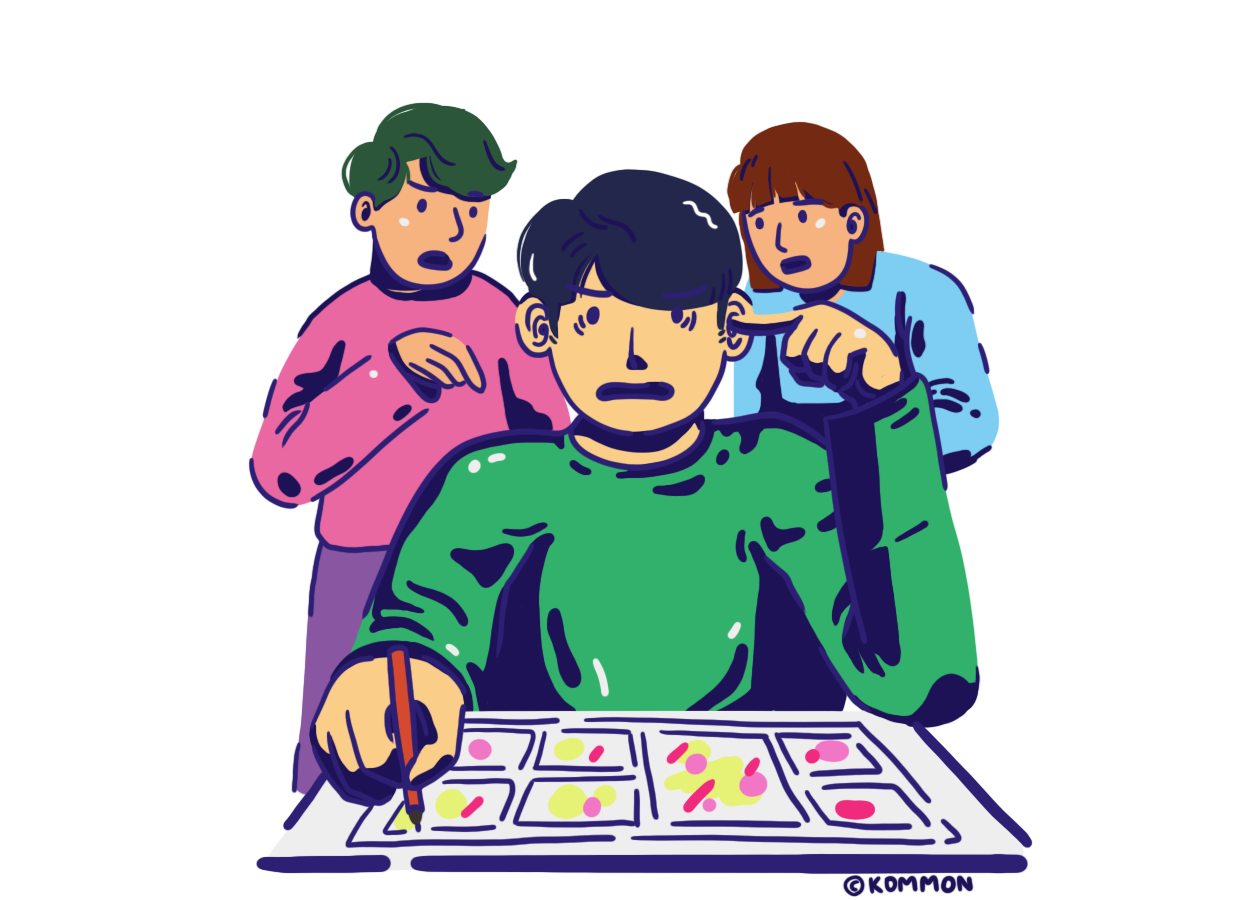
[Illustration by O.T.O] Webtoons are a type of webcomic in Korea that most Koreans enjoy in their everyday life. Korea’s most famous webtoon site, “Naver Webtoon”, recorded 67 million monthly active users (MAU) this month. The scale of the webtoon market is estimated at 1 billion won or 85 million US dollars. Because of the popularity of webtoons among Koreans, a lot of TV dramas and movies are based on webtoons. The TV series “Itaewon class” (이태원 클래스) and the movie “Steel Rain 2” (강철비2) are recent examples. As webtoons gain influence on Korean society, concerns related to the content of some webtoons have been raised. Kian84, a popular webtoon artist recently portrayed a scene in his webtoon "복학왕" that implies that a woman had sex with her boss in order to get promoted. After the release of the scene, Kian84 was criticized for his inappropriate description and views on women. He even stopped appearing on the famous TV show “Home Alone” (나 혼자 산다) for 1 month due to the uproar but returned to the show recently. There are more examples of disparaging depictions of minorities in the webtoon. Kian84 described the hearing-impaired and foreign resident workers as retarded. One year ago, another popular webtoon, “Helper 2(헬퍼 2)”, stirred controversy for its lewd and misogynic portrayals. It was criticized for its explicit descriptions of rape, sextortion, and torturing. 💥 Freedom of Expression vs. Political Correctness Summary 🙆 Freedom of Expression 1) PCness restricts comic artists’ creativity 2) Interfering with webtoon borders on censorship (some call it “fascist”), webtoons can be canceled without even a debate 3) A webtoon is different from other media such as TV, since it is created by an individual artist 🙅 Political Correctness 1) Webtoons are not just some artists’ private creation, but part of popular culture and need to consider their influence on society. Besides, many webtoon readers are young 2) The controversial webtoon contents express discrimination and hatred against social minorities, which requires firm regulation. Without restrictions, such contents can lead to far more serious consequences What are the points of the advocates for freedom of expression? 1. Restricting artistic creativity 💣 Joo ho-min, a Doyen webtoon artist and one of the artists responsible for the Naver webtoon that provoked the controversy stated his concerns over censorship(korean). He said “The censorship against webtoons is severe. The era of civil dictation has arrived.” on his private twitch channel. He also stated that defining other people's work as uncivilized and trying to enlighten them would restrict the artist's creativity. 2. Censorship in 2020? That’s ridiculous. 😕 The Webtoon Association argues that the act of forcing a suspension or the removal of a writer by advocating political correctness is no different from fascism. The association states that freedom of creation and expression should be protected and that it is ridiculous to discuss legal regulations, saying that preliminary deliberation and censorship are “reversing the times.” 3. The specificity of webtoons 💦 Unlike broadcasting and the media, webtoons are published by individual artists. There are no restrictions on artists’ creative activities in any other media. The artists can express what they want in their creation. The Webtoon Association and artist groups argue that the public needs to understand the specificity of this genre. On the other hand, people advocating for political correctness are concerned. 1. Webtoons are now mass media, not private art 👥 As mentioned at the beginning of this article, the webtoon market has grown into a mass medium that has a great influence on Korean society. Given the influence of webtoons, they need to be restricted in certain aspects. Especially concerns about false perceptions and inappropriate values among teenagers have grown, due to their popularity among the young age groups. 2. Freedom to hate, unacceptable! 😡 At a press conference last month, several organizations argued that “Naver Webtoon should stop their hateful business.” Looking at the controversies stirred by webtoons so far, all of them revolve around the socially disadvantaged such as women, LGBTQ people, the disabled, and low-paid foreign workers. Hatred toward minorities cannot be tolerated, even considering freedom of expression, in that it leads to social discrimination and stigma. They said firm regulations are needed to halt the reproduction of hate speech and discrimination. They argue that restrictions on hatred are the responsibility of a society to prevent discrimination, not censorship. To impose? Or not to impose? In 2012, the Korea Cartoonist Association and the Korea Communications Standard Commission signed a business agreement on the self-regulation of webtoons. The Webtoon Self-Regulation Committee can request five measures, including termination of service, restriction of access of young readers, adult certification recommendations, adjustments of age ratings, and revisions of contents, for webtoons that have been judged problematic. Until now, it is said that there have been no cases where self-regulation measures have not been implemented. Now that the influence of webtoons on society has grown, the question is being raised whether self-regulation alone has limitations. There has been no general agreement on the recommendations of the self-regulatory committee and there is no obligation to accept the restrictions. Experts say Korea needs a social consensus on webtoon writers and platforms. To impose? Or not to impose? What do you think? Let us know!
🙌 Mom & Dad Chance: What do the 20-30-Year-Olds Think a “Real Fair Society” is? 🍀5 Minute Read
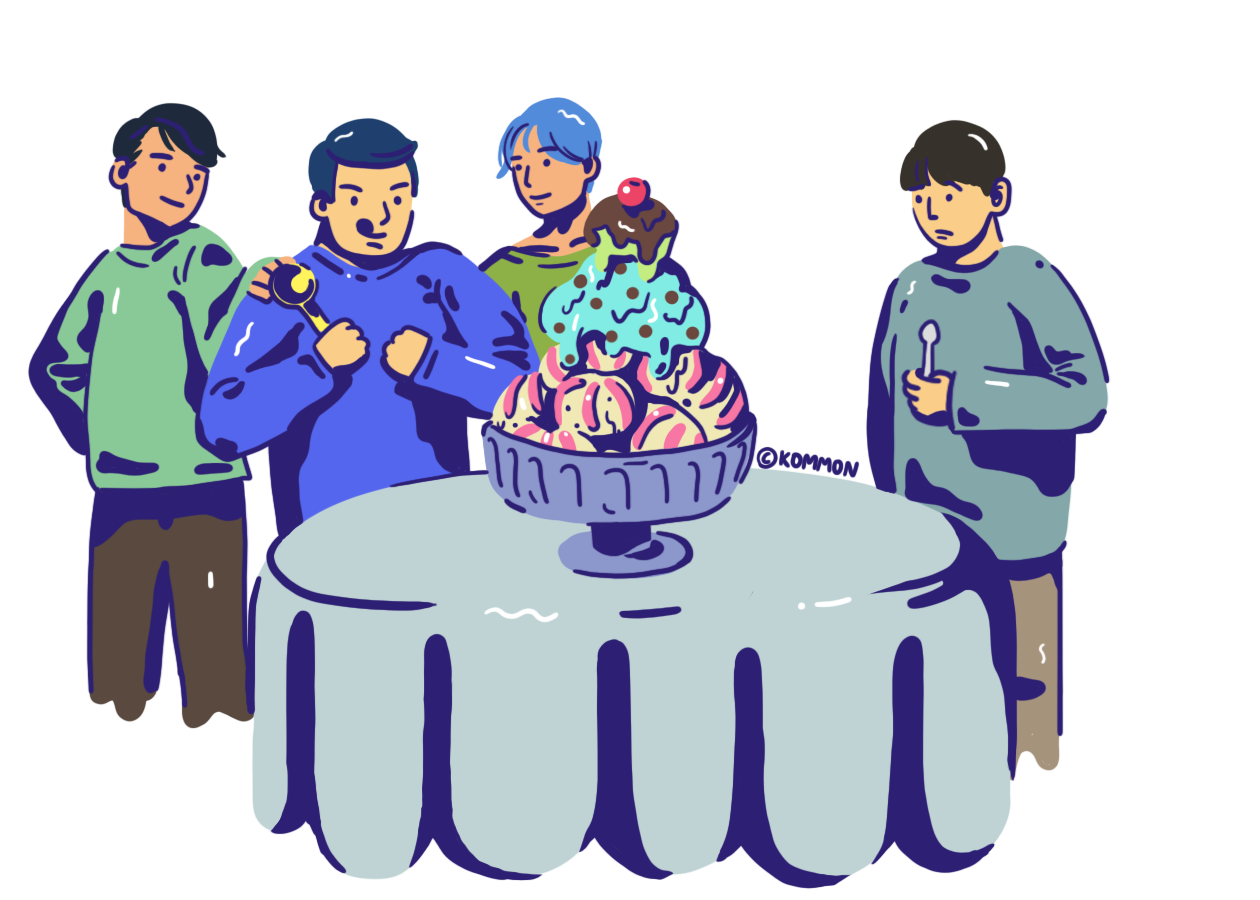
[Illustration by O.T.O] The recent controversy over the son and daughters of Justice Minister Choo Mi Ae is making Korea buzz. Following the uproar over whether Minister Choo's son received preferential treatment regarding vacation time while serving in the military, suspicions about her first (using political donations) and second daughter (French visa) are also erupting. 👉 Wanna know more? 🍀 The controversy over Minister Choo's son extending his vacation without undergoing a medical examination is still going on. There are also suspicions that Minister Choo and her husband intervened in the process of extending his vacation. 🍀 It turns out that when Minister Choo was the 19th member of the National Assembly (2014-2015), she gave millions of dollars in political support to the Western-style restaurant run by her eldest daughter. The problem is that under the Political Funds Act, donations cannot be used for household support or assistance (however, the statute of limitations has expired, since 5 years have passed since then). 🍀 In 2017, Mr. A, who served as an aide at the then office of Congresswoman Choo, made a request to the Ministry of Foreign Affairs regarding a visa for the second daughter of Minister Choo so that she could study in France. It is said that the Ministry of Foreign Affairs is currently searching for the truth. Mom and Dad Chance again? This is not the first time! Right. Last year, there were suspicions that the daughter of former Justice Minister Cho Kuk received preferential treatment on her college entrance examination. This is because there was a claim that some of the documents submitted to the university where she was accepted were forged. Jeong Yu Ra, the daughter of the “Korean Rasputin”, Choi Soon Sil, was revealed to have received preferential treatment on her college entrance examinations and during undergraduate courses. A suspicion of preferential treatment has also been raised against the son of a former member of the Future Integration Party (미래통합당), Na Kyung Won. 😡 Angry young men It was the youth who were the angriest over the successive incidents regarding preferential treatment. When the Cho Kuk scandal broke out, university students held a “daughter of Cho Kuk enrollment cancellation” rally. The students of the “National University Students Association (NUSA),” comprised of students from 60 universities across the country, held a candlelight vigil and demanded an explanation. Regarding the case of Minister Choo's son, the NUSA held a one-person protest in front of the Democratic Party's headquarter as well as major demonstrations in Seoul, Busan, and Daegu on September 17. On September 19, a statement titled “Request for the resignation of Minister Choo” was also released. President Moon was also aware of the anger of young people when he gave his 1st Youth Day commemoration address on September 19, where he mentioned “fairness” 37 times. 💁 Why are the youth angry? The youth have a lot of resentment over privileges given without justifiable grounds. “A society where money is a talent is not fair” According to a public opinion poll, young participants saw “crony capitalism” as the biggest problem of the Jeong Yu Ra case. They think socioeconomic inequality has the greatest impact and leads to unfairness. They do not want a society where power and money become abilities, but a society where individuals can succeed by their own merits and efforts. “Have to keep procedural fairness” In June, a controversy erupted over the transition to permanent employment of a number of temporary workers of Incheon International Airport Corporation (IIAC). The IIAC is a popular workplace where only one of 200 applicants gets accepted. When it was announced that irregular security workers would be made into permanent workers based on the specificity and importance of their work, current permanent employees as well as job seekers who are working hard to prepare for the application process opposed the decision. Considering that there are more steps in the process of hiring permanent workers than in that of hiring irregular workers, and as the competition rate is high, they felt cheated, seeing some getting permanent jobs more easily than themselves. Young people believe that the fair process of procedure is the last hope for them to climb up the ladder. That is why there are many young people calling for fairness in education, exams such as college admissions, and recruitment. They think that a society where their efforts are rewarded fairly and where they are treated based on their merits is a fair society. However, some people have stressed that the society cannot overlook the fact that these youth models of fairness are based on absolute “meritism”. Even when looking at meritism historically, there are voices of concern(Korean) that such a system eventually makes a society unfair and unequal. It is said that if only the capable ones monopolize social resources, this can justify the alienation and exclusion of one side of society. 💁 What’s the socio-cultural background of their anger? In the end, it comes down to live being harder now than it used to be. Unlike the older generation who enjoyed the benefits of a period of constant growth, the young generation who are experiencing employment difficulties amidst the current economic crisis are in fierce competition. The phenomenon of “Spec-upgrading(스펙 쌓기)*” clearly shows how fiercely young people compete with each other. In fact, the average recruit who landed a job this year(Korean) has more than 2 certifications and a TOEIC score of 750, and half of those who were employed this have already internship experience. 🌸 Vocabulary *Spec-upgrading (스펙 쌓기) Activities to “enrich” the resume and cover letter to be submitted to a company, by additional certificates, internship experience, and external activities. The fierce competition is even more fueled by Korea's unique entrance examination and recruitment system. In particular, an analysis has shown that the “공채 (Gong-chae, open competitive employment)*” system, which exists only in Korea and Japan, makes competition more intense. (Example of open competitive recruitment: Open recruitment procedure for level 9 public officials) Opportunities to apply for a job are restricted to once or twice a year, and the fact that applicants need to survive among numerous competitors makes the process even more exhausting. Competition is intensified for permanent employees, who are treated better than irregular employees in terms of wages and treatment but must pass the open recruitment system selection.
The youth, who in many ways think “life is very hard”, thus become even angrier when they see a group that seems to be exempt from the fierce competition they themselves have to go through. 🌸 Vocabulary *공채 [Gong-chae] (공개경쟁채용, open competitive employment) A system that selects manpower by conducting a competition test for an unspecified number of people. It usually refers to a method that the government or companies employ on a large scale in the first and second half of the year. Unlike occasional recruitment, applicants are called in at once and selected through several procedures. Since Samsung first selected college graduates in 1957, major Korean companies have hired new employees in this way. Even though Samsung now holds large-scale applicant assessments, employees are still hired through the same process: documents -> job aptitude test called “GSAT” -> interview -> final pass. Many students put a lot of effort into the Samsung GSAT test. However, since skepticism about this system has been emerging lately, the number of companies that switch to occasional hirings, such as LG, is increasing. 👭Interesting! 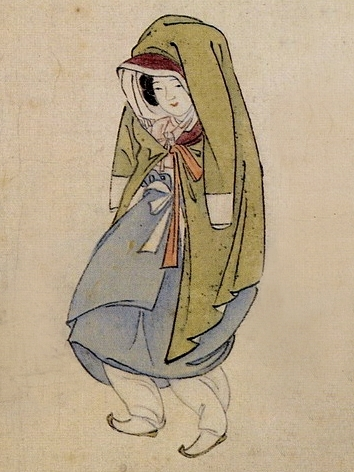 Meaning: a compound word of 유교 [yu-gyo] (Confucianism) + girl. Confucianism is a symbol of Korea’s conservative tradition. Therefore '유교걸' refers to someone who is conservative and not open to certain things, such as having a sex life. Origin: a buzzword from the famous YouTube channel MMTG (문명특급). It’s also a language play using Lee Hyo Ri’s song “U-Go-Girl”. Example: A: 나 <키싱 부스> 보다 껐잖아. 야한 장면 너무 많던데. B: 키싱 부스가? 그냥 귀엽던데. 너 유교걸이구나. A: I turned the TV off while watching 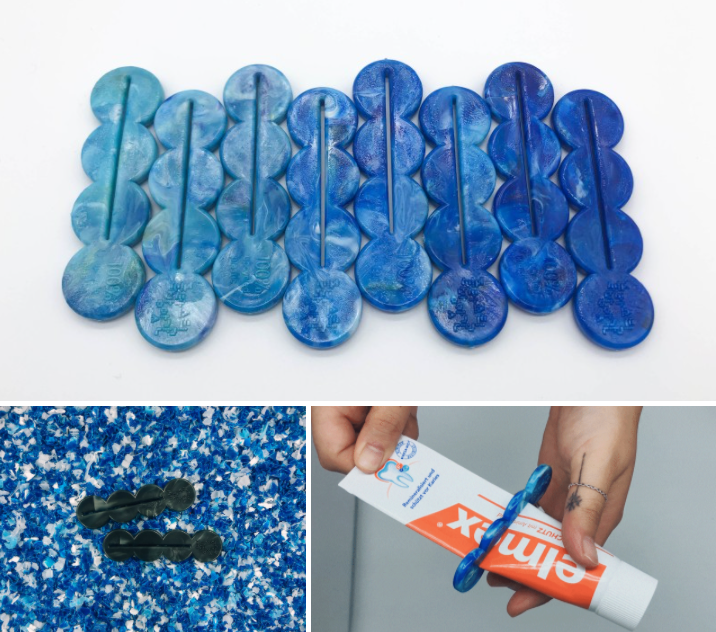 Join the "Sparrow Club(참새클럽)" and run a "Plastic Windmill" Small pieces of plastic garbage like plastic bottle caps are not recycled but usually buried or burned. Because of their small size, it is hard for recycling corporations to sort them out from the massive plastic junks they receive. To solve this problem, an NGO called the “Seoul Environment Coalition (SEC; 서울환경연합)” started a project called “Sparrow Club”, which runs “Plastic Windmills”. The SEC gathers small pieces of plastic garbage sent in by club members. They sort them out by color, then grind and melt them into new plastic products. Sparrow Club recruits members every 2 months, so if you want to be a part of it next season, visit their website and find out more! Also, You Might Not Wanna Miss These...😉 Expats👪 News 1. Last Saturday, there was a fire in the waste recycling facility in Pyeong Taek. Two workers from Thailand died in the fire.
Link (Korean) 2. Geumcheon-gu is going to include non-Korean students in their budget to compensate for school uniform purchase costs. If a student is registered in Geumcheon-gu, he or she can get the funding.
Link (Korean) 3. The Mokpo Employment and Labor Administration is going to investigate workplaces hiring non-Korean workers. They will check whether quarantine guidelines and fundamental labor rights are respected.
Link (Korean) This week's headline😏 1. Elementary school kids in Incheon were injured severely in a fire while trying to eat ramen. It turned out that the children were left alone without parents or care from the local community. Link (Korean) 2. The police apologized for a leakage of the questions for its open recruit exam. A total of 51,000 people took the test and only 2,700 will be accepted. Link 3. Social distancing level-2 measures are extended to September 27 throughout the nation. The government said that Chuseok and the National Foundation Day would be critical moments and urged citizens not to visit hometown. Link Did you enjoy it? Our biggest concern is: Are our readers enjoying this newsletter? Your feedback is the only way for us to know! So let us know, did you enjoy it? KOMMON TEAM 수수🌾 Sans 🌻 바코🌊 오티오😈 쟈🍉 군밤🌰 기린🌴 쏘😺 기니👑
|