KUCRF Newsletter Vol. 02 KUCRF Korea-US Collaborative Research Project Featured Video |
|
|
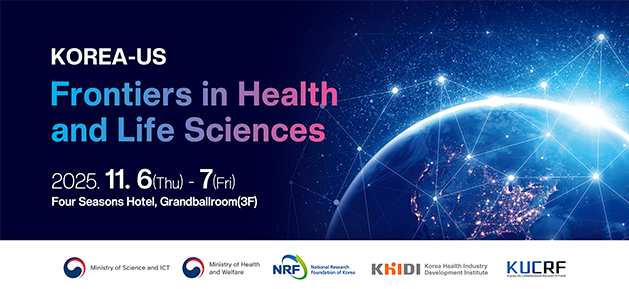
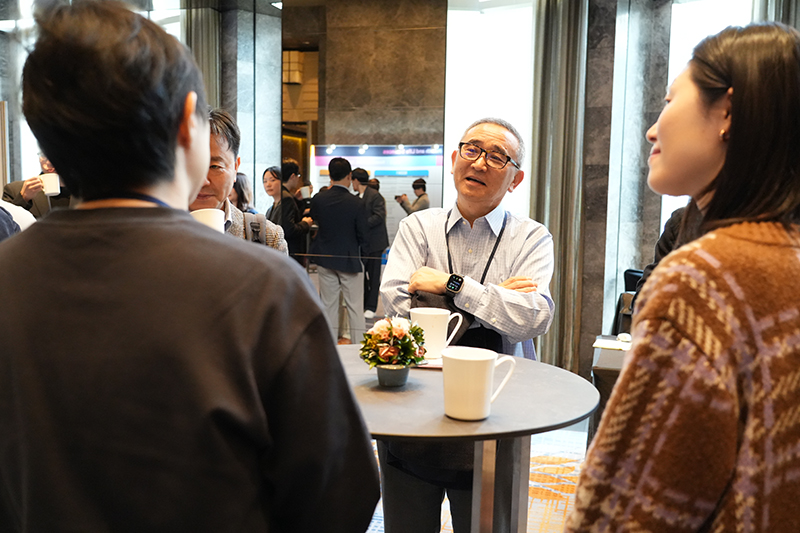
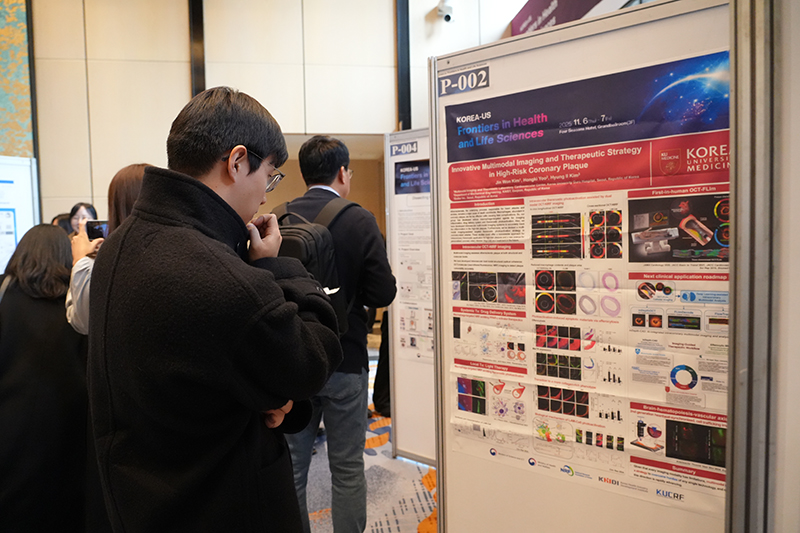
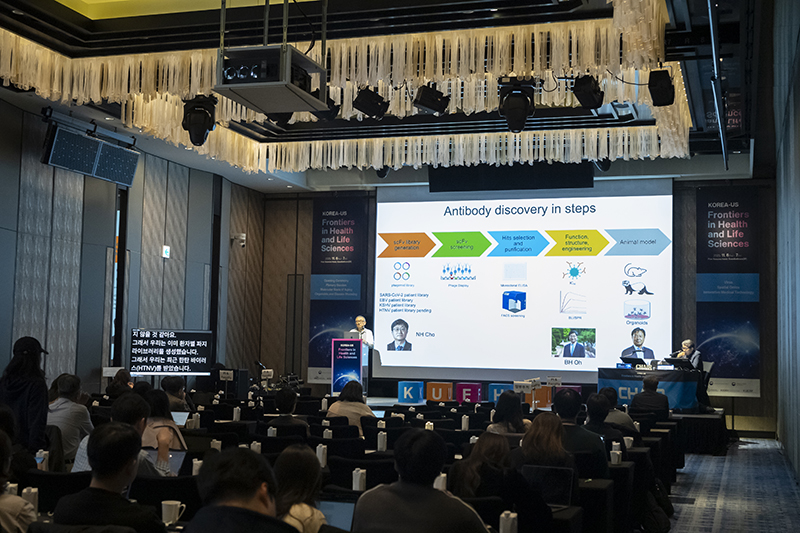
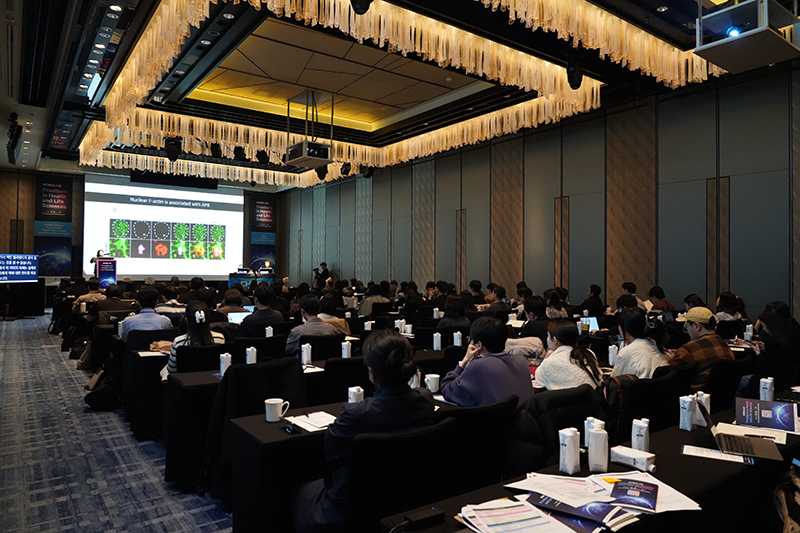
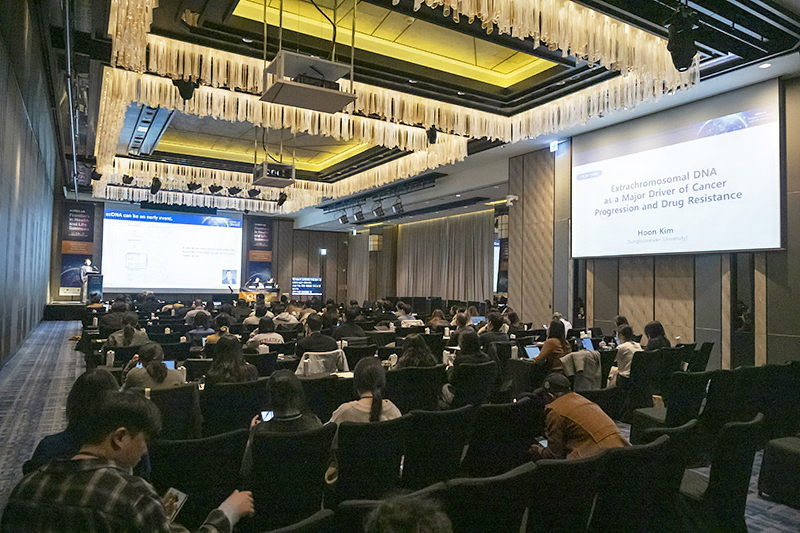
- Event Name: KOREA-US Frontiers in Health and Life Sciences (KUFHLS)
- Date: 2025. 11. 6(Thu) ~ 7(Fri)
- Venue: Four Seasons Hotel, Grandballroom (3F)
- Hosted /Organized by
Hosted by: Ministry of Science and ICT(MSIT), Ministry of Health and Welfare(MOHW), National Research Foundation of Korea(NRF), Korea Health Industry Development Institute(KHIDI)
Organized by: Korea US Collaborative Research Fund(KUCRF)
- Official Language: English
|
|
|
KOREA-US Frontiers in Health and Life Sciences
Successfully Concluded
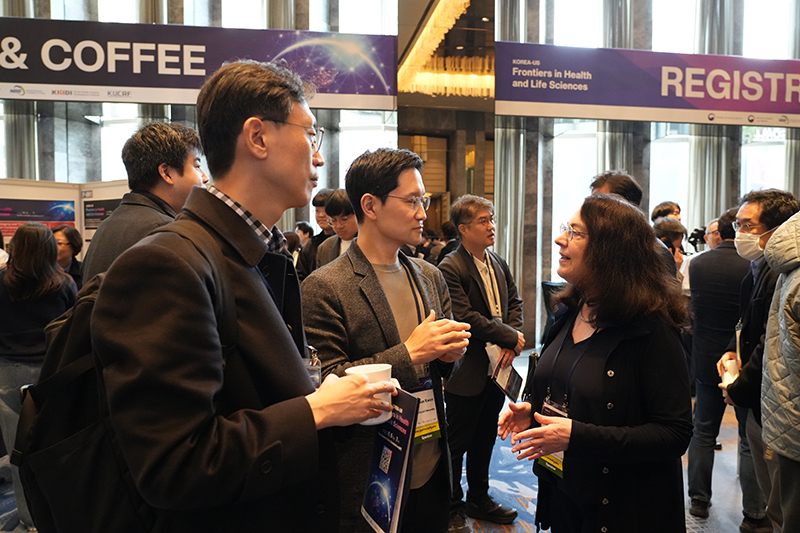
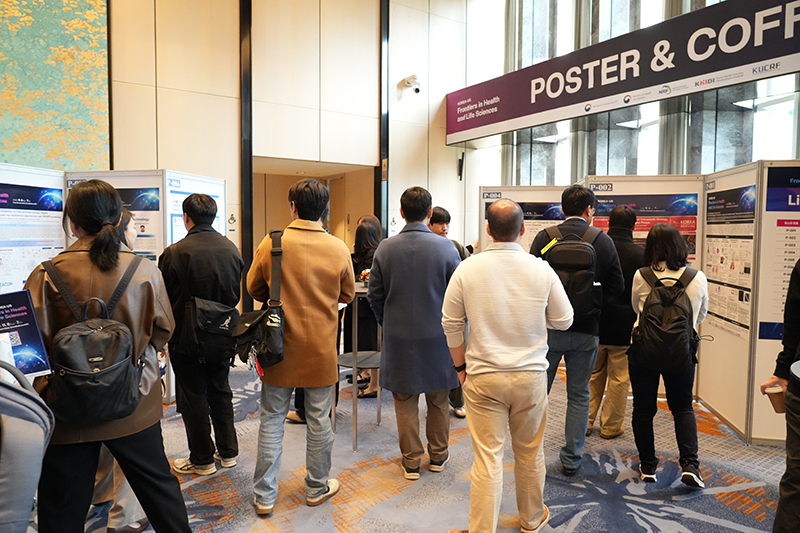
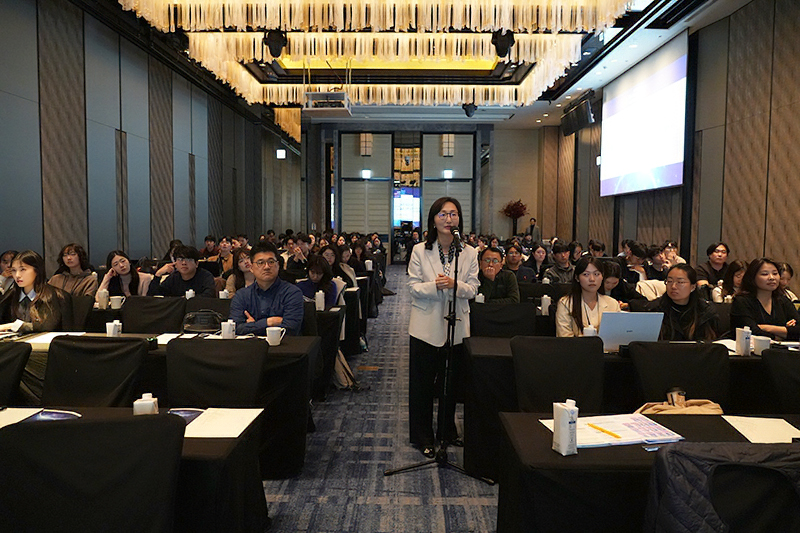
Attended by 437 prominent bio-researchers from both Korea and the U.S.,
the symposium successfully fostered a tangible collaborative environment,
solidifying the practical network for bilateral research partnerships. |
|
|
📌 Self-introduction and research institute
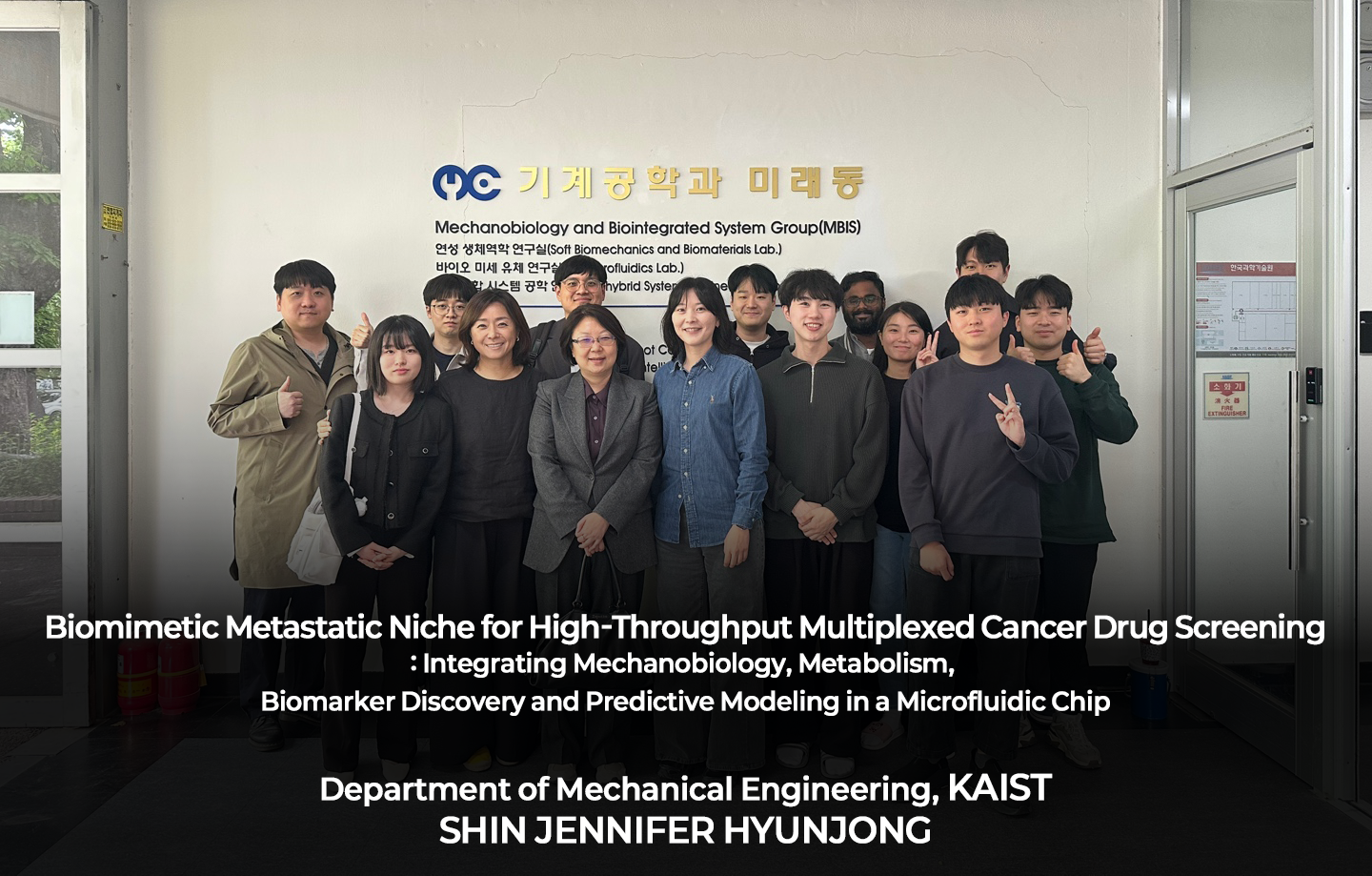
My name is Professor Hyun Jung Shin, and I conduct research in the fields of cellular mechanics and mechanobiology in the Department of Mechanical Engineering at KAIST. Our bodies are constantly subjected to various mechanical forces, and cells experience diverse physical stimuli. I am particularly interested in how cells respond to these stimuli and under what conditions normal cells transition into diseased states.
Many diseases are characterized by specific "markers" or "indicators" at the genetic or protein level. Our group goes beyond this by focusing on the development of mechanical biomarkers that can be used more intuitively and efficiently for cancer diagnosis and assessment.
Currently, as part of a Korea-US joint research support program, we are collaborating with the National Cancer Center and Sejong University in Korea, and with Professor Ian Wong at Brown University, Professor Ming Guo at MIT, and Dr. Blanche Ip at the Broad Institute in the United States. Our team is recreating the mechanical microenvironment during cancer metastasis to track cancer cell metastatic processes and developing strategies for patient-tailored therapies.
📌 Ongoing research project
Cancer is much more lethal after it has metastasized than when it remains at its primary site. However, metastasis is often very difficult to prevent or accurately predict using current treatment modalities. Our research began with the question: “If we can properly understand the physical characteristics of metastatic sites and the interactions among cells in those environments, could we more accurately predict the optimal timing of treatment and the responses to specific drugs?”
Although cancer cells can, in principle, spread to all organs in the body, in reality they tend to preferentially colonize certain organs, a phenomenon often referred to as metastatic organotropism. In particular, we focus on the physical properties of the microenvironment that determine whether cancer cells can survive in a given organ—such as how stiff the tissue is (mechanical stiffness or rigidity) and how the surrounding matrix and tissue structures are organized.
To investigate these issues, we have developed a platform called a metastatic niche-on-a-chip, which recreates an environment highly similar to that inside the human body. Using this system, we can observe and analyze in real time which types of microenvironments cancer cells prefer, how they establish themselves and grow at metastatic sites, and which drugs can inhibit or block the metastatic process.
The ultimate goal of this project is to understand how cancer cells adapt to and survive within such diverse microenvironments. Building on this understanding, we aim to further develop this into a platform that can rapidly determine which therapeutic strategy works best using cells obtained from individual patients.
📌 Research outcomes to date
The major outcomes we expect from this research are as follows.
First, to develop a niche-on-a-chip technology that faithfully mimics the actual environments where cancer cells metastasize.
Second, to acquire high-resolution imaging data of how cancer cells respond in distinct metastatic microenvironments and to quantitatively analyze these responses.
By quantitatively dissecting each aspect of cancer cell behavior, we can gain a much more accurate understanding of how cancer cells exhibit distinct phenotypes depending on the organ-specific microenvironment. Furthermore, we expect that this work will evolve into a personalized therapeutic screening system that can rapidly test which drugs are most effective for each patient.
📌 Beneficiaries and societal impact
The most direct beneficiaries of this research will be patients with metastatic cancer, especially those with refractory disease for whom it is difficult to predict which drugs will be effective. To date, many patients have been treated with similar anticancer regimens, which has often resulted in limited efficacy or severe side effects. In contrast, the platform we are developing can emulate each patient’s unique metastatic environment in the laboratory and predict in advance which drugs are likely to work well.
This will open the way to:
-
Avoid unnecessary trial-and-error in treatment selection,
-
Minimize adverse effects, and
-
Identify the most appropriate therapy for each patient in a shorter period of time.
In the long term, this technology has the potential to become a new standard in cancer treatment, providing a foundation for more precise, personalized, and effective care for patients with metastatic disease. |
|
|
📌 Self-introduction and research overview
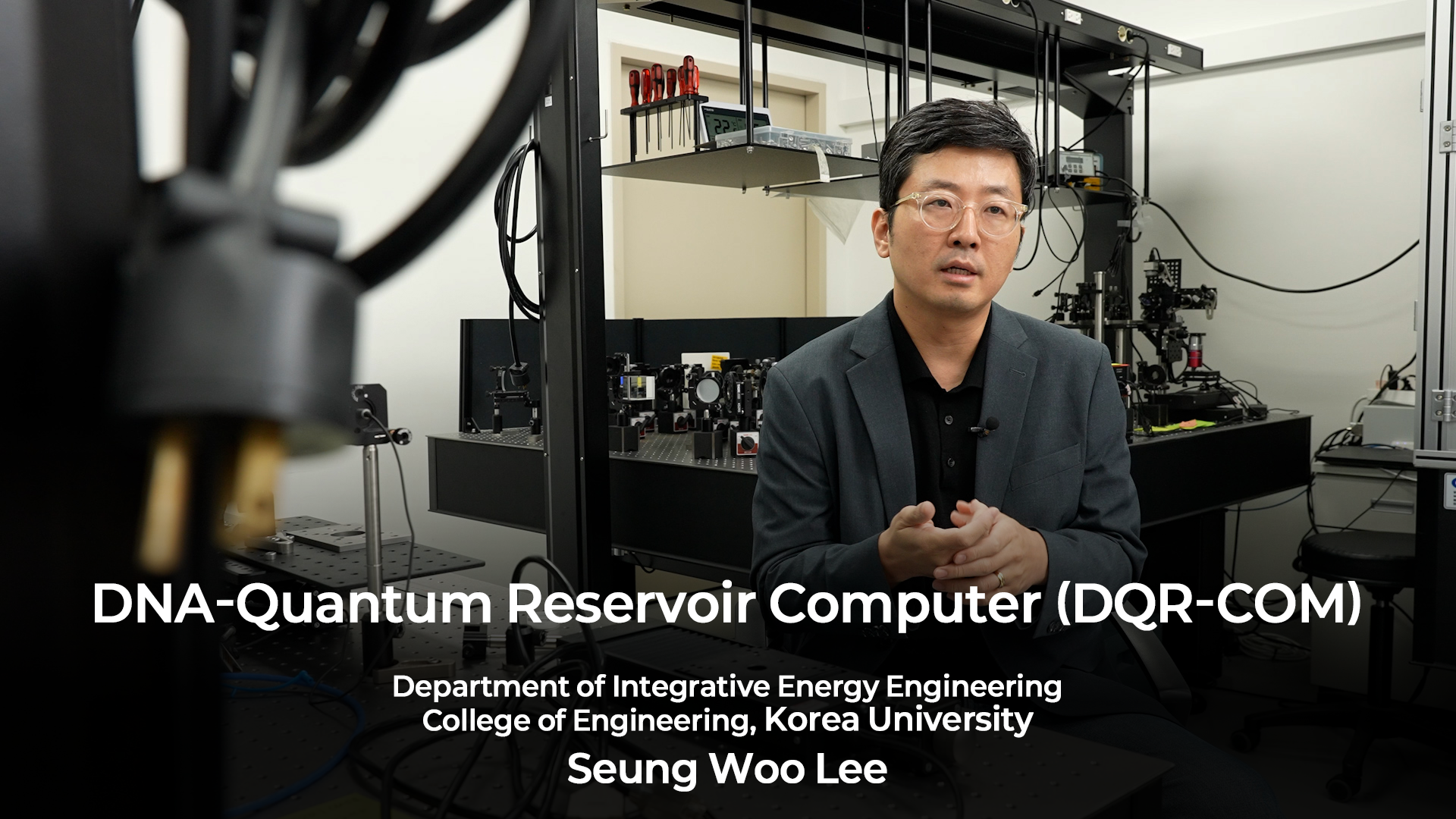
My name is Seung Woo Lee, and I am a professor in the Department of Integrative Energy Engineering at the College of Engineering, Korea University, as well as at the KU–KIST Graduate School of Converging Science and Technology. Our group is developing a next-generation reservoir computer that can operate at room temperature and atmospheric pressure, achieving ultrafast performance and neural networking capability by integrating DNA nanotechnology with quantum reservoir computing.
Conventional computing devices based on transistors have been built in ways that are intuitive and familiar to humans, but they face fundamental limitations in fully capturing the wide variety of quantum phenomena that occur in nature. To overcome these limitations, we conceived a new form of quantum reservoir computing that mimics and is inspired by natural systems. Specifically, we introduced DNA nanostructures as molecular-scale artificial soft materials to realize extremely small, transistor-like units at the molecular level, which can interact in real time with other neuron-like elements that play roles analogous to transistors in a neural network.
📌 Impact and expected outcomes of this research
The impact and expected outcomes of our technology are extremely broad. Over the past half-century, advances in computing have transformed nearly every aspect of human life to such an extent that it is difficult to single out just one domain. Our technology should be viewed in a similar light in terms of its transformative potential.
Once this computing paradigm is realized, it will become possible to perform calculations in many areas that are currently too complex even for the most advanced classical computers. In the 1980s, Richard Feynman predicted that in order to fully understand nature, we would need a form of computing that can faithfully capture the quantum-mechanical phenomena occurring in the natural world, and he proposed the idea of the quantum computer on that basis.
With our approach, it will become possible not only to calculate simple before-and-after states—for example, before and after drug administration in an equilibrium sense—but also to compute, as a function of time, how enormous numbers of molecules, cells, and tissues engage in chemical and physical interactions. This has been essentially impossible with existing computing architectures.
Beyond this, such computing will enable us to more fully predict medical responses or climate change, and to make decisive contributions to understanding natural phenomena that have remained elusive. On top of that, it is expected to open the door to entirely new types of computations that can greatly benefit human civilization.
📌 Current achievements and ultimate goals
We are currently in the process of completing the first phase of this research. Because communication is crucial for successful collaboration, we are making active use of remote Zoom meetings to maintain close and frequent interactions. In addition, I have spent a year in Professor William Shih’s laboratory at Harvard University to further promote our collaborative research efforts, and we have already co-authored one publication together. We are also in the process of revising a manuscript for Science Advances, which is a highly prestigious journal.
Our first objective is to successfully realize the DNA-based quantum reservoir computing system described earlier and make it a landmark breakthrough in the technological history of human civilization.
Second, as a faculty member responsible for educating students, I hope to offer them a new vision through this project. Quantum technology and artificial intelligence have recently become critically important, and our research can make a decisive contribution to both of these fields.
Lastly, students who complete their master’s or doctoral studies in Korea often tend to have perspectives that are somewhat confined to the domestic context. In contrast, the researchers in our lab are now able to collaborate closely with colleagues at Harvard University. Through this, they can build global networks within the Harvard ecosystem and, in turn, develop broader, long-term visions for both their research careers and their lives. This dimension is also a very important part of the goals we aim to achieve with this project.
[📝View Publication]
- Kim, Ji Hoon, et al. "Facet-driven folding for precise control of hydrogel pore actuation." Matter (2025).
- Lee, Chanseok, et al. "A long-staple design approach towards the scalable production of scaffolded DNA origami." Nanoscale horizons 10.10 (2025): 2584-2592.
- Kim, BumJin, and Q-Han Park. "Enhancing Accuracy in FDTD Near-to-Far-Field Transformations Using a Phase-shift Interpolation." IEEE Transactions on Antennas and Propagation (2025).
- Lee, Jaewon, et al. "Dna origami colloidal crystals: Opportunities and challenges." Nano letters 25.1 (2024): 16-27.
- Lee, Il-Buem, et al. "Determination of the Absolute Concentration of Rayleigh Particles via Interferometric Scattering Microscopy." ACS Photonics (2025).
- Park, Sung Hun, et al. "Selective Binding of DNA Origami on Self-Assembled Monolayer-Patterned Gold Substrate." ACS Materials Letters 7 (2025): 2565-2573.
- SeokJae Yoo, Q-Han Park, "Nanophotonic chiral sensing: from principles to practice," Photon. Insights 4, R08 (2025)
- Ryu, Jae Hyun, et al. "Exploring the Reaction Network of Acetic Acid in Supercritical Water via Machine Learning Interatomic Potential." Journal of Chemical Information and Modeling 65.16 (2025): 8614-8623.
- Menabde, Sergey G., et al. "Polaritonic Fourier crystal." Nature communications 16.1 (2025): 2530.
|
|
|
📌 Self-introduction and research overview
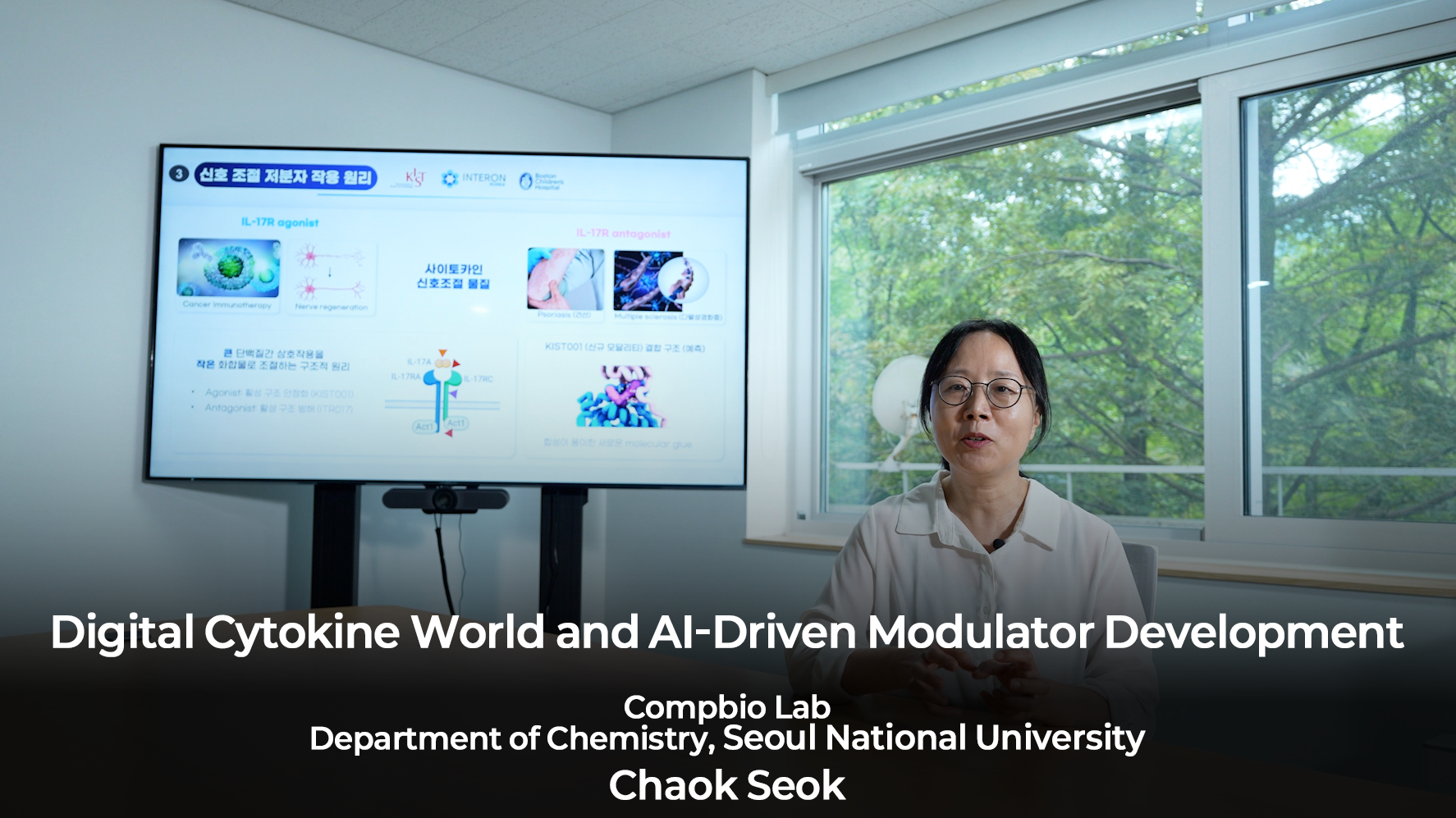
My name is Chaok Seok, and I am a professor in the Department of Chemistry at Seoul National University. I study biomolecules in the field of chemistry, focusing on understanding how they work at the molecular level. My research involves using computers to calculate and predict how molecules behave, and applying AI to investigate the functions of biomolecules and to develop therapeutic agents.
The title of our research project is “Digital Cytokine System.” Here, “digital” reflects the fact that we are using AI-based approaches. You may have heard the term “cytokine storm” frequently during the COVID-19 pandemic. Cytokines act like an emergency siren in the body. When external threats such as viruses invade, or when cancer cells arise within the body, cytokines trigger our immune cells to become active by sounding this “alarm.” However, when cytokines are excessively produced, they can cause severe cytokine storms, which lead to serious clinical problems. If we can develop molecules that modulate these cytokine functions, they can serve as highly effective therapeutics.
In this project, we aim to develop small-molecule compounds that can be formulated as orally available drugs. Using AI, we design candidate molecules, synthesize them, and evaluate their activity, carrying out a collaborative research program to ultimately develop them into new medicines.
📌 Research achievements
This research has produced several important outcomes. Broadly, there are three main aspects: advances in AI methodology, progress in the discovery of active molecules, and a deeper molecular-level understanding of how cytokine systems operate, even though these processes are not directly visible.
First, on the AI side, we have improved algorithms so that we can explore extensive conformational changes of molecules that could not be adequately handled by AlphaFold alone.
Second, in terms of small-molecule discovery, we have identified initial small-molecule hits that can potentially be developed into orally available drugs. We have obtained evidence that these molecules indeed act within the cytokine system of interest.
Third, we are uncovering a new picture of how cytokines transmit signals inside cells. When a cytokine signal arrives, it triggers very strong and rapid signaling in immune cells. We are revealing a mechanism in which many molecules cluster together simultaneously to propagate this signal, providing a new molecular-level vision of cytokine signaling.
📌 Research goals and expected impact
In this research, our goal is to develop new drugs targeting cytokines that, unlike existing therapies requiring injections, can be taken orally so that patients can use them more conveniently.
In this project, we are focusing on a specific cytokine called interleukin-17 (IL-17) and developing molecules that modulate its function. The research platform and strategy we are establishing can be extended not only to IL-17 but also to other cytokines. Such drugs may be used as anticancer agents or as treatments for autoimmune diseases such as psoriasis and multiple sclerosis. We expect that this work will contribute to providing convenient therapeutic options for many patients suffering from inflammation, cancer, or autoimmune disorders.
Through the Korea–US joint research support program, what we ultimately hope to achieve is to contribute to the development of orally available anti-inflammatory, anticancer, and autoimmune therapeutics that enhance patient convenience and quality of life.
In this global era, researchers with diverse expertise can come together for a common purpose, regardless of nationality or location. This enables research in which a variety of technologies are integrated across borders, and we believe that such a mode of collaboration will become increasingly important in the future. |
|
|
You can check out more details about each research project
in the upcoming introduction videos
that will be uploaded on the "KUCRF" Office YouTube channel!
(Subscribe and turn on notifications to be the first to watch them 😁)
|
|
|
If you subscribe,
you will be the first to receive a variety of updates
from KUCRF Office every quarter.
|
|
|
Korea US Collaborative Research Fund(KUCRF)101, Daehak-ro, Jongno-gu, Seoul 03080, Republic of Korea(Yeongeon-dong 28, Seoul)Unsubscribe |
|
|
|
|