Preparatory Issue 7
March 2022 |
|
|
We lost the presidential election,
but our steps towards change continue
|
|
|
The 20th presidential election is over in south Korea. With 48.56% of the vote, the conservative candidate, Yoon Seok-yeol, was elected president and his term will begin May 10th. He won with a 0.73% margin, the smallest margin since direct presidential elections were won and instituted in 1988. In third place, the progressive Justice Party received less than 3% of the vote. This is the second presidential election after the 2016 candlelight uprising toppled then-President Park Geun-hye. So, what's left for us to do after the election?
Throughout the presidential election, I saw and heard countless people call the election: "the most undesirable presidential election ever;" "just a mudslinging election;" "an election that covers up one corruption with another one." The two dominant political parties demanded a wise choice from the "great people" and insisted that they would dedicate more "for the people." However, if one were to listen to their words more closely, it becomes apparent that their policies were simply about winning votes rather than offering policies needed "by the people." This is exemplified by messages denying "structural gender discrimination" simply to win the votes of young anti-feminist men. In addition, policies that professed funding to boost the economy made no mention about raising taxes on the wealthiest. Ultimately, the presidential election lacked any debate about the state of our society, the policies we need, and the task for our times. Now, after the presidential election, the news has simply been consumed with the controversy over the relocation of the presidential office with little coverage on how the next president will attend to the people’s urgent livelihood needs. Furthermore, the president-elect simply promises to eradicate regulations that “hinder” big corporations. Where can we find hope now?
On March 11, two days after the presidential election in Korea, on the other corner of the globe in Chile, Gabriel Boric was inaugurated president. He was a leader in Chile's 2011 student movement demanding educational reform. In 2021, he ran as the presidential candidate for the left-wing Approve Dignity coalition and defeated far-right candidate Jose Antonio Caste 56% to 44%. Boric's election was a victory for the Chilean people that not only increases the possibility of changing policies (such as better public pensions and social security systems), but also protects the process of creating a new constitution, which will replace the one made under Pinochet's military dictatorship. With Chile's national assembly tightly divided between left and right and 44% of votes for the far-right candidate, the process of changing Chile's future will not be smooth. Nonetheless, this high energy and possibility for hope that new changes can be made is important. Recently, the Constitutional Assembly passed provisions around ensuring the right to abortions by 108 to 39 votes. The Constitutional Assembly will prepare a draft of the new constitution by July, and a referendum will be held to decide whether or not to adopt the new constitution.
Returning to south Korea, where should we find hope after the presidential election? As the Chilean case shows, the answer is always within the people who act to make changes. Therefore, we have little time to waste being frustrated by the outcome of the presidential election. Even as I write this, in Korea, workers lose their lives in unsafe workplaces, women and minorities are afraid of daily violence, and those who’ve lost their homes due to global warming induced forest fires remain without homes. The rights we enjoy have never arisen on their own. People yearning for a dignified life fought and won them. Now, it's time for us to continue and honor that history. |
|
|
In These Days of Great Tension, Peace Is a Priority:
The Ninth Newsletter (2022)
|
|
|
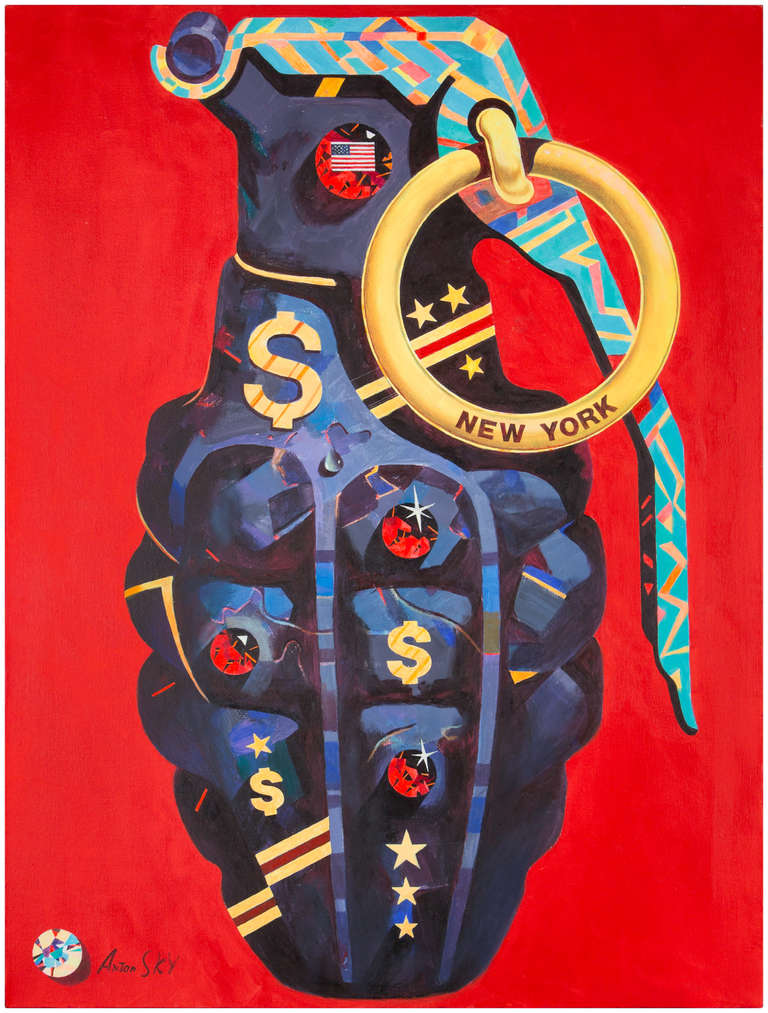
Anton Kandinsky (Ukraine), Grenade, 2012. |
|
|
War is never good for the poor. War is never good for workers. War itself is a crime. War produces crimes. Peace is a priority.
The war in Ukraine did not begin with the Russian intervention. There are a series of authors for this war, each one important to understanding what is happening today.
…
Wars make very complicated historical processes appear to be simple. The war in Ukraine is not merely about NATO or about ethnicity; it is about all these things and more. Every war must end at some point and diplomacy must restart. Rather than allow this war to escalate and for positions to harden too quickly, it is important for the guns to go silent and the discussions to recommence. Unless at least the following three issues are put on the table, nothing will advance:
- Adherence to the Minsk Agreements.
- Security guarantees for Russia and Ukraine, which would require Europe to develop an independent relationship with Russia that is not shaped by US interests.
- Reversal of Ukraine’s ultra-nationalist laws and a return to the pluri-national compact.
|
|
|
“Rekindle the Candlelight!”
- South Koreans Rally to Revive Their Political Revolution |
|
|
Edited by Steven Lee(Translation Team) |
|
|
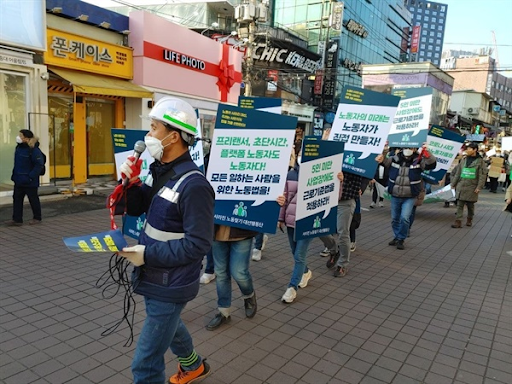
The political establishment and its presidential candidates pay no attention to the workers losing lives from industrial accidents, the women suffering from gender-based violence, the LGBT community subject to harsh discrimination, and the disabled with limited access to basic rights. This is why the Joint Electoral Action movement started, to take the people’s demands to the streets, rather than relying on politicians to speak for them. |
|
|
The 2022 Presidential Election Autopsy |
|
|
Interview conducted and edited by
Michael McGrath (Networking Team) |
|
|
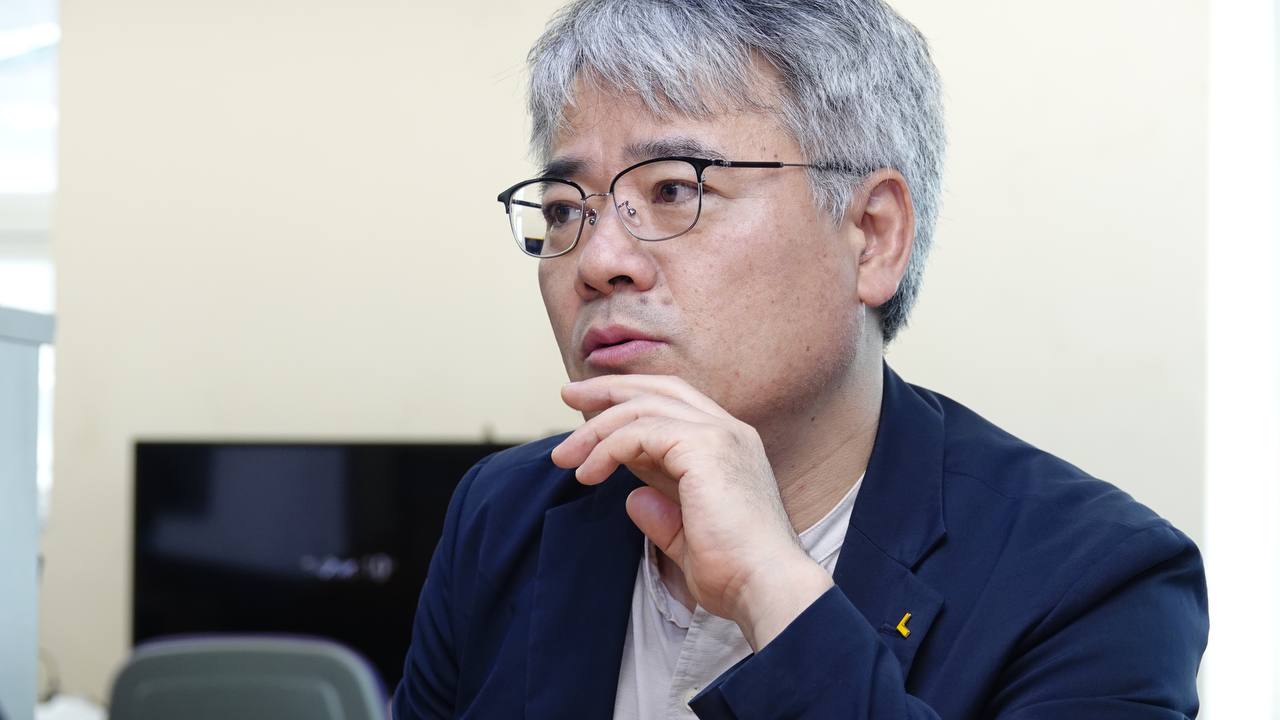
Kim Jong Min has been involved in South Korean progressive political parties for the past 20 years beginning with the Democratic Labor Party that had been established in 2002, followed by the last 10 years in the Justice Party. He is currently the co-President of the civil society organization Together Seoul and, in this past presidential election, he was in charge of the Strategy Headquarters for the Justice Party. |
|
|
[ Februray Progressive Forum]
Why Russia Invaded: History, Geopolitics,
and Realities of the War in Ukraine
|
|
|
Edited by Dae-Han Song (Networking Team) |
|
|
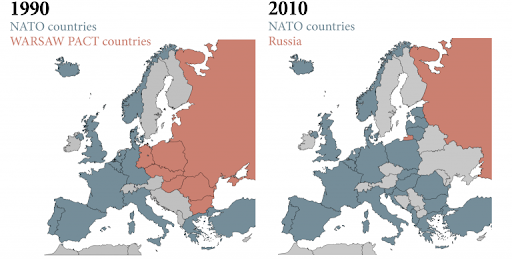
“...Even the prominent US diplomat George Kennan, who authored the post Second World War American foreign policy towards the Soviet Union, warned, in 1998, that NATO expansion was not a good idea. Russians would "gradually react quite adversely, and it will affect their policies." It was a strategic mistake. There was no reason for this whatsoever. No one was threatening anyone else.
Now, there is an interesting dynamic in NATO expansion. We, of course, also have the agency of the countries between NATO and Russia. Most of these countries historically felt a threat from the east. And that's why their elites (in Poland, or Czech Republic, etc) wanted to be part of the NATO security structure. So there is also that local agency there. It's not only about two big powers.
However, when the expansion came closer and closer to the Russian border, that of course increased the tension. And so if American policy played a role that would be opening the door of NATO to Georgia and Ukraine. If we had a time machine and went back to 1991, and defined Ukraine, Belarus as neutral states, as happened with Finland and Austria, we wouldn't be experiencing many issues we are experiencing now. But that's, of course, a missed opportunity. Now, we have a completely different reality and dynamics…”
|
|
|
[ISC March History tour]
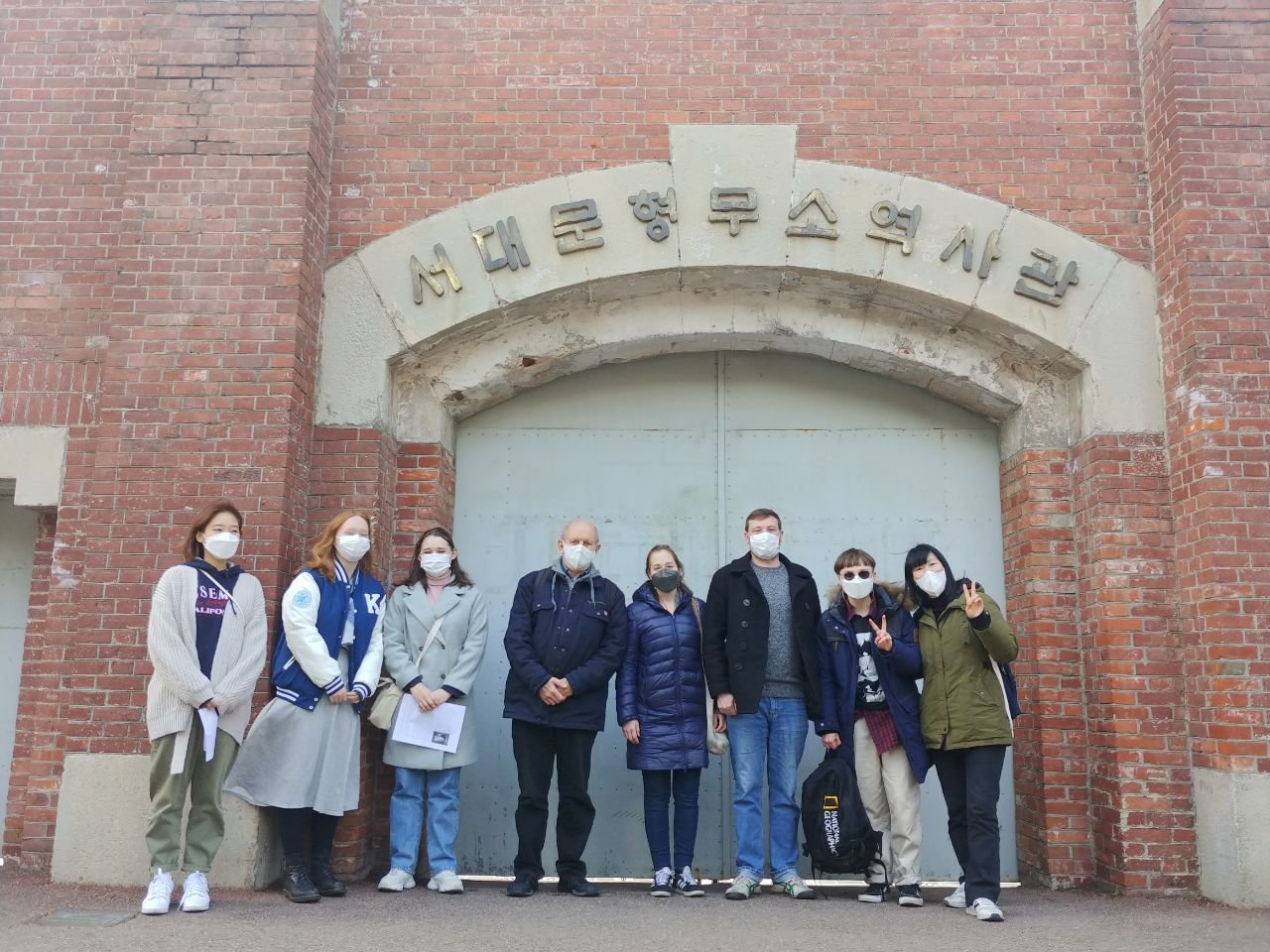
Seodaemun Prison:
A Remnant of the Japanese Colonial Era |
|
|
On March 20th, the ISC had a tour at Seodaemun Prison History Hall where we can learn about the Japanese colonial era. We met up with 7 participants of various backgrounds outside of the museum, held a tour and discussion through the museum, and continued conversation over dinner at a nearby traditional market. We discussed parallels between other examples of colonialism, holes and biases in our historical education, and what led to the Japanese Colonial Era, the following US imperialism, and Issues that remain unresolved. As this is the first in a series, keep your eyes out for the next ISC tour, and our follow up movie night! |
|
|
2F, 2 Dosin-ro 47-gil, Yeongdeungpo-gu, Seoul International Strategy Center
|
|
|
|
|