Representative Democracy in Crisis
|
|
|
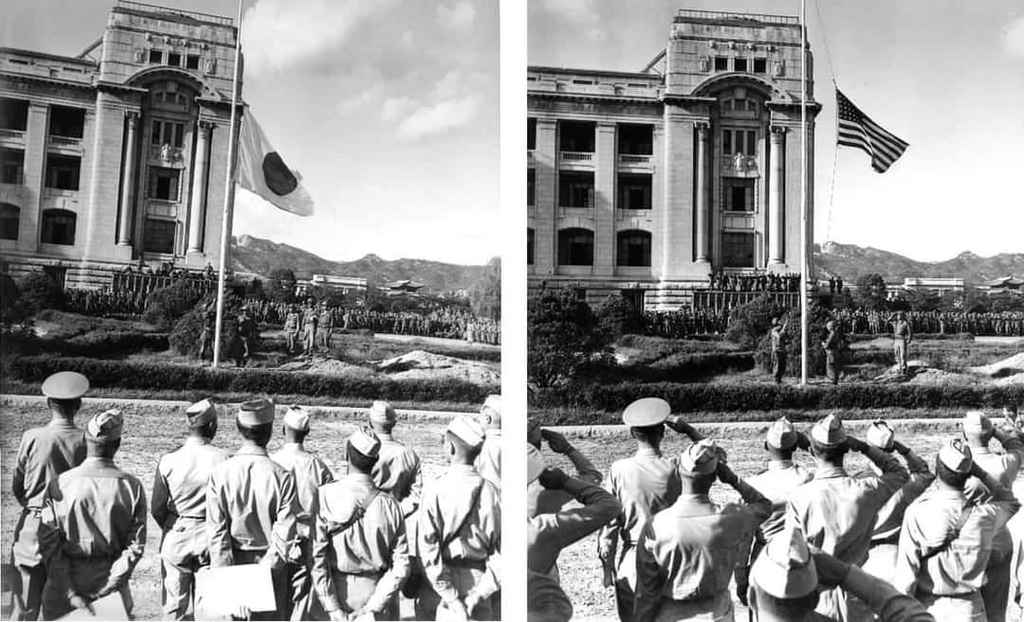
These days, the word that most commonly accompanies “democracy” is “crisis." To say that representative democracy, where sovereignty resides with the people and their will, means that the “people" are unable to exercise their rights as “active actors." While, today, nearly everyone, officially, has the right to vote and participate in politics. It is difficult to deny that democracy, especially representative democracy where people participate indirectly by electing representatives, is in “crisis.”
President Yoon Seok-yul, who won the 2022 presidential election with 48.5% of the vote, celebrated the end of his second term in May. Yet, according to a May poll, his job approval rating is at a post-election low of 21% (with 70% disapproving). The conservative People's Power Party's approval rating is in the low 30s. Even after winning 170 of the 300 seats in the National Assembly in April, the main opposition liberal Democratic Party’s approval ratings are not much better. However, when watching both parties debate, they usually use “the will of the people” to justify their claims. However, many people are tired of both parties’ focus on mud-slinging while offering few solutions and policies to people’s problems.
This trend is certainly not unique to South Korea. The United States is currently in the midst of one of the most closely watched elections in what has been dubbed the world's election year. Two factors threaten democracy in the U.S. The first is election disruption as exemplified in 2020 when Trump supporters stormed the U.S. Capitol to protest the outcome of the presidential election. The second, and more importantly, is that politics doesn't represent the people. This year's Democratic primary saw a "no candidate" movement, saying they wouldn't vote for any president since none represented their needs and desires.
Even more dangerous than the inability of an elected president, congressman, or local councilor to represent the will of the people is skepticism about political participation. In other words, people don't believe that voting in elections every two or three years can create the social change they seek, so they either express their wishes by not participating, or by not caring about politics altogether.
But we can't abandon democracy to politicians, especially when they are driving us towards war by escalating military tensions in Northeast Asia or abetting in genocide in Palestine. If we cannot get peace and justice through elections then we must get it by organizing ourselves and showing up on the streets. After all, those in power will not concede anything unless we demand it. We must look to our history of struggle for our rights as "sovereigns" to save democracies in crisis and expand elements of direct democracy beyond representative democracy.
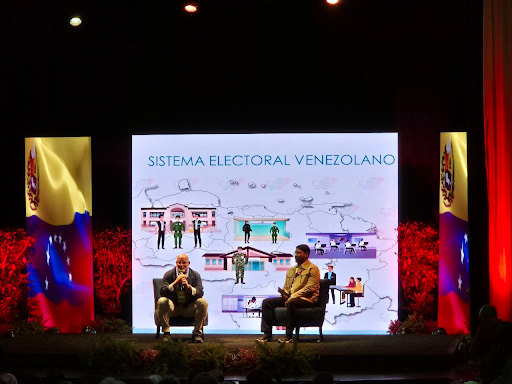
We can find a glimmer of hope in Venezuela's presidential election. While he has been called a “dictator” by those that oppose the Bolivarian Revolution, President Nicolas Maduro continues to deepen participatory democracy through the communes while struggling against US sanctions and providing for the basic needs of Venezuelans, something sorely lacking in much wealthier countries such as South Korea and the United States.
|
|
|
For a full view, click on the image below. |
|
|
<Special> The following article has been published in the summer issue of the Monthly Review |
|
|
Power Concedes Nothing Without a Demand:
Peace in Korea and Northeast Asia Now! |
|
|
Dae-Han Song (Contents Team)
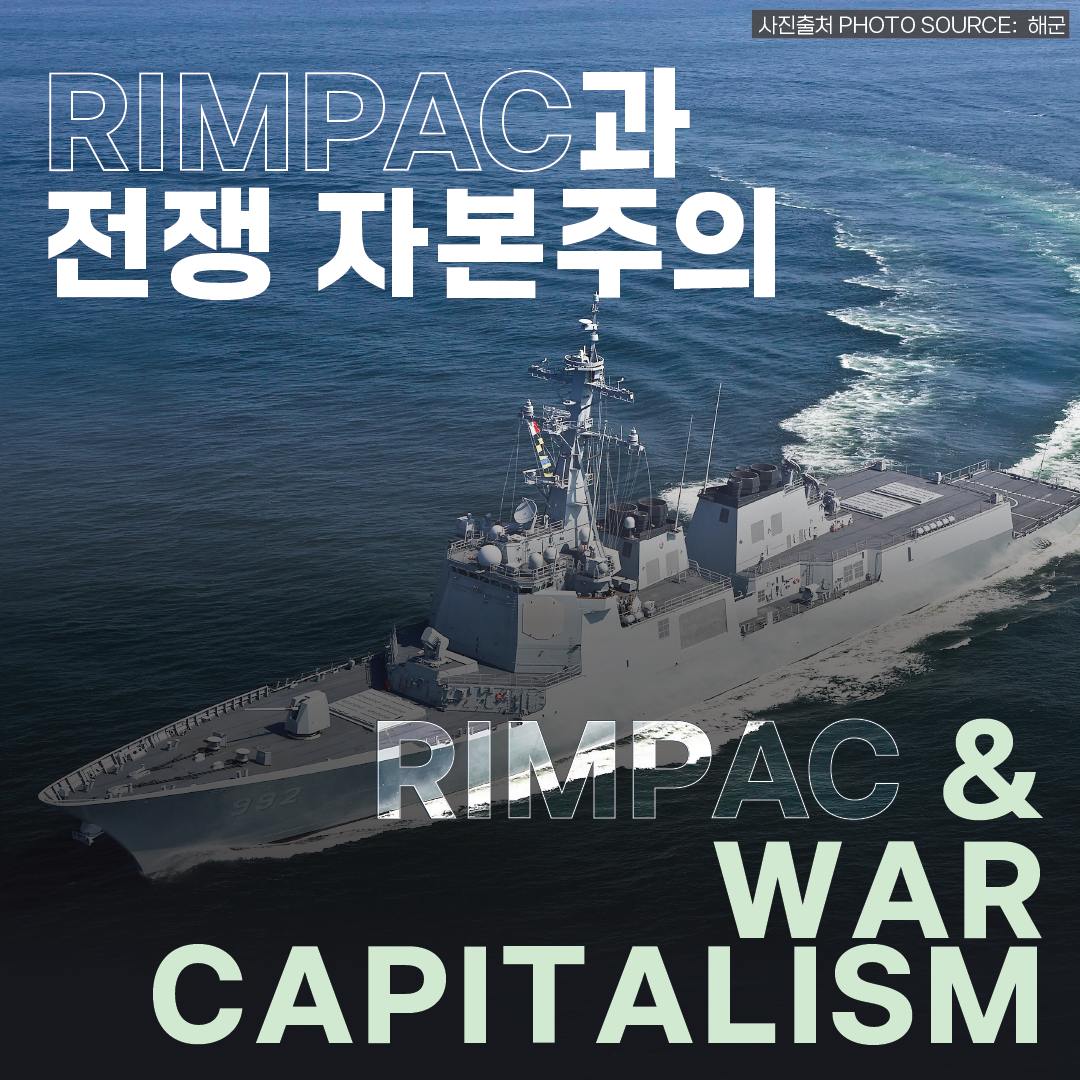
The American abolitionist Frederick Douglass famously said, "Power gives nothing to those who demand it. The peace movement must unite around the common demand to oppose war. We must oppose the escalation of U.S. military tensions that divide the region into two camps, overcome the structural limitations of the South that keep it dependent on the U.S., and unite frontline struggles in the South and the region into a common struggle against escalating U.S. military tensions.
The report makes a series of demands and proposals for the reduction of military tension and peace on the Korean peninsula and in Northeast Asia. The main points are as follows
1. Oppose U.S.-South Korea military exercises: The report argues that U.S.-South Korea war games escalate inter-Korean tensions and provoke military responses from North Korea.
2. "Restoration of Wartime Operational Authority": Argues that South Korea should regain wartime military control.
3. Abolish the ROK-U.S.-Japan triangular alliance: Advocates the abolition of security arrangements such as the ROK-U.S.-Japan Triangular Alliance, which promotes cohesion among North Korea, China, and Russia.
4. Support regional peace struggles: Emphasizes the need to support and stand in solidarity with the struggle for peace in Northeast Asia.
5. Support Frontline Struggles: We call for support for the struggles of local people directly affected by militarization and war.
These demands suggest different strategic approaches to peace and stability on the Korean Peninsula and in Northeast Asia.
|
|
|
Why Venezuela's Presidential Election Matters |
|
|
Hwang Jeongeun (General Secretary)
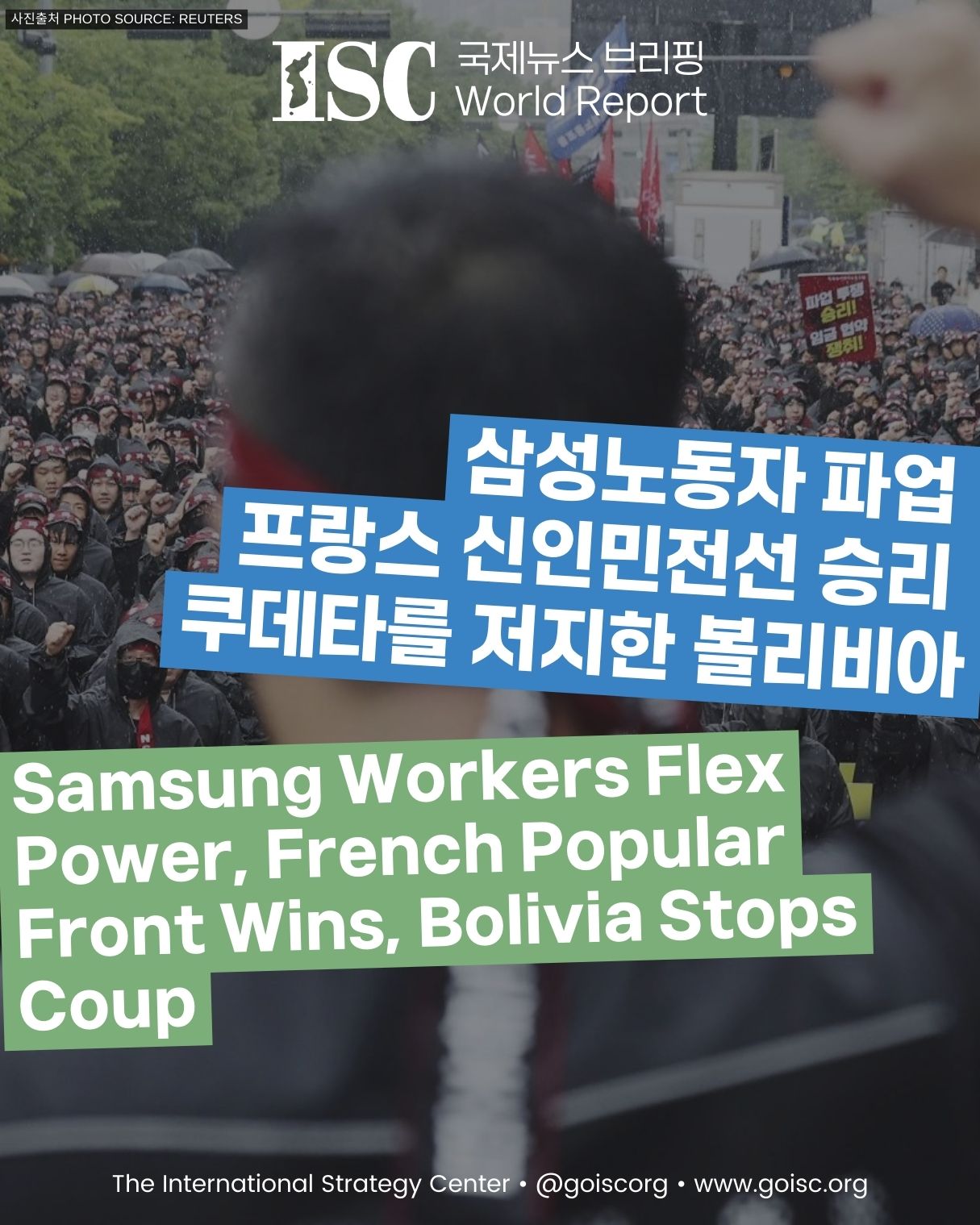
Venezuela is currently undergoing a revolution that challenges the U.S. unipolar order in favor of a multipolar world. Despite facing issues like corruption and economic difficulties, the Bolivarian Revolution—a 25-year-old initiative of direct democracy that empowers the people—has bolstered communes and continues to secure basic human needs through social programs, including free healthcare and housing missions.
Moreover, the Bolivarian process encourages regional cooperation in Latin America. The Bolivarian Alliance for the Peoples of Our America—The People's Trade Treaty (ALBA-TCP) remains committed to promoting trade and cooperation based on solidarity. This commitment explains why the majority of Venezuelans have supported the current government for 25 years and why Latin American and Caribbean nations stand in solidarity with Venezuela.
As South Korea strengthens its alliance with the U.S., Venezuelan news is often reported through the lens of mainstream Western media. For instance, the media labels Nicolas Maduro as a “dictator” simply because he is serving his third term. Nonetheless, it is crucial to observe the Bolivarian Revolution as it continues to foster direct democracy, social programs ensuring basic needs, and solidarity-based trade. These efforts symbolize hope for a society distinct from one dominated by capitalism, which exacerbates the wealth gap, views basic needs as individual burdens, and disregards the people's will in politics. I am writing from Venezuela, serving as an international observer for the presidential election, and I am keenly anticipating the results on Sunday (July 28).
|
|
|
Capitalism’s Burnout and Depression |
|
|
Giovani Vastida (Contents Team)
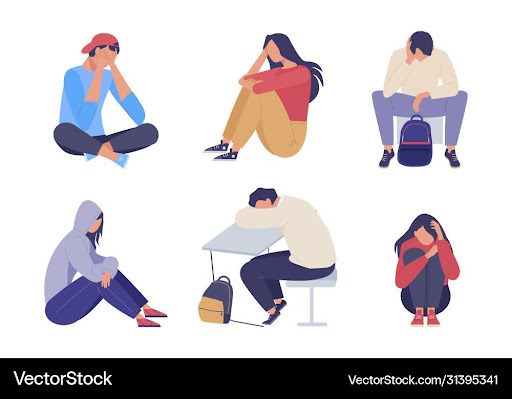
This text discusses the impact of capitalism and hyper-individualism on mental health, particularly focusing on burnout and depression. Here are the key points:
- Hyper-Individualism and Achievement Society: The Western emphasis on individualism leads to a society where people are obsessed with self-recognition and status.
- Self-Exploitation: Han argues that the drive to increase one’s worth leads to self-exploitation, resulting in depression and burnout.
- Freedom and Coercion: The concept of freedom, which should be liberating, instead creates coercion under capitalism.
- Burnout Statistics: Nearly half of young adults (18-29) feel drained, with women reporting higher levels of burnout than men.
- Responsibility and Shame: In this society, failure is seen as a personal shortcoming, leading to shame rather than questioning the system.
- Aggression Turned Inward: The constant push for self-improvement turns aggression inward, leading to depression rather than societal change.
This analysis highlights the psychological toll of living in a highly competitive, achievement-oriented society. If you have any specific questions or need further details, feel free to ask!
|
|
|
Observer for the Venezuela Presidential Election |
|
|
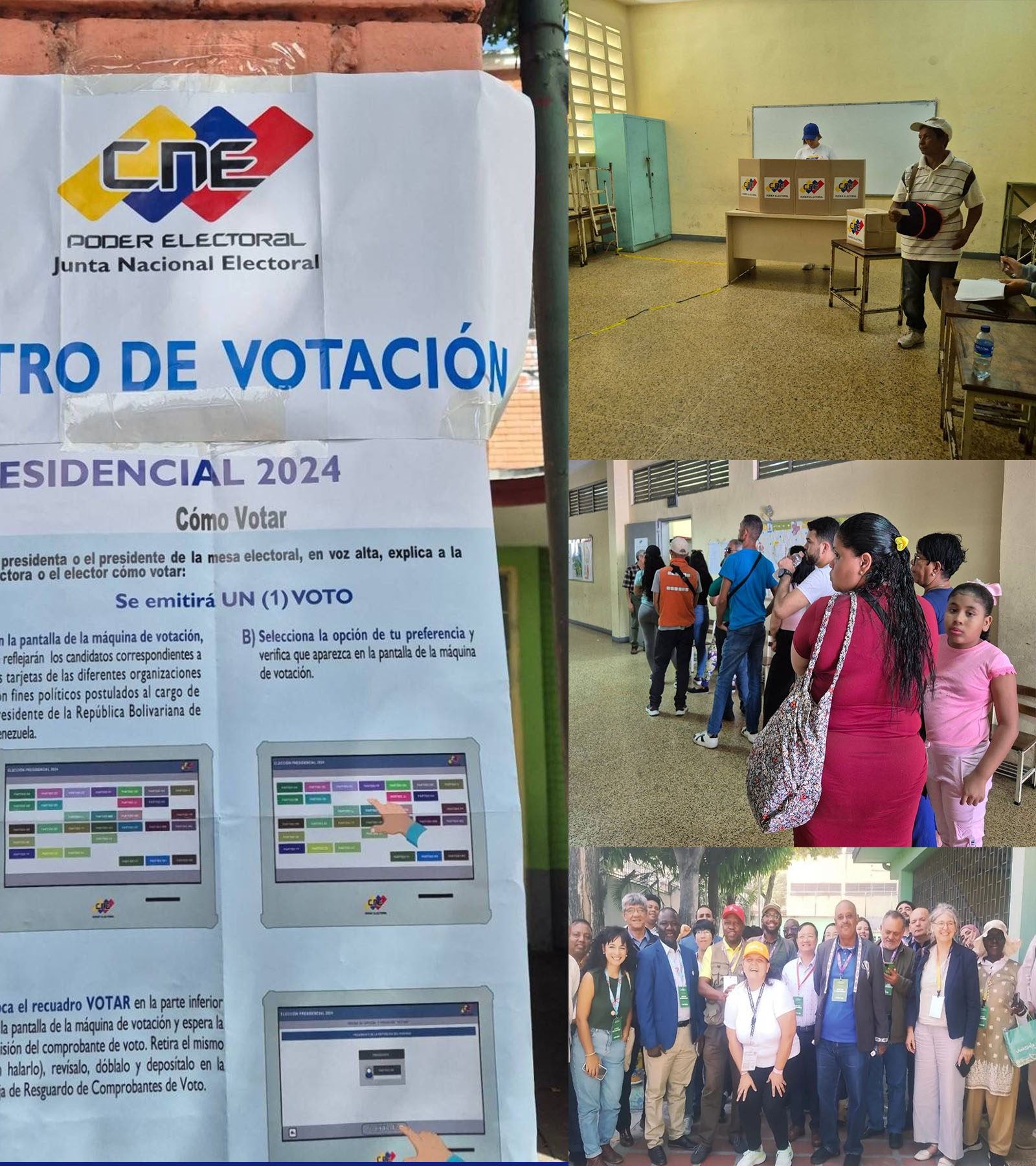
Venezuela held presidential elections on July 28. The International Stratege Center Studies participated as an international observer in the Venezuelan presidential election, visiting five polling stations in the San Juan region to observe the voting process. On July 29, Venezuela's National Electoral Council (CNE) officially announced that incumbent President Nicolas Maduro (51.2%) had been elected president, defeating opposition candidate Edmundo Gonzalez (44.2%). The CNE says the election was conducted democratically and that detailed results will be posted on its website later. The opposition has denounced the election as fraudulent and has announced that it will not recognize the results, but has been unable to provide any evidence of fraud. The Center for International Strategic Studies supports the results of the democratically conducted elections in Venezuela and the will of the Venezuelan people. |
|
|
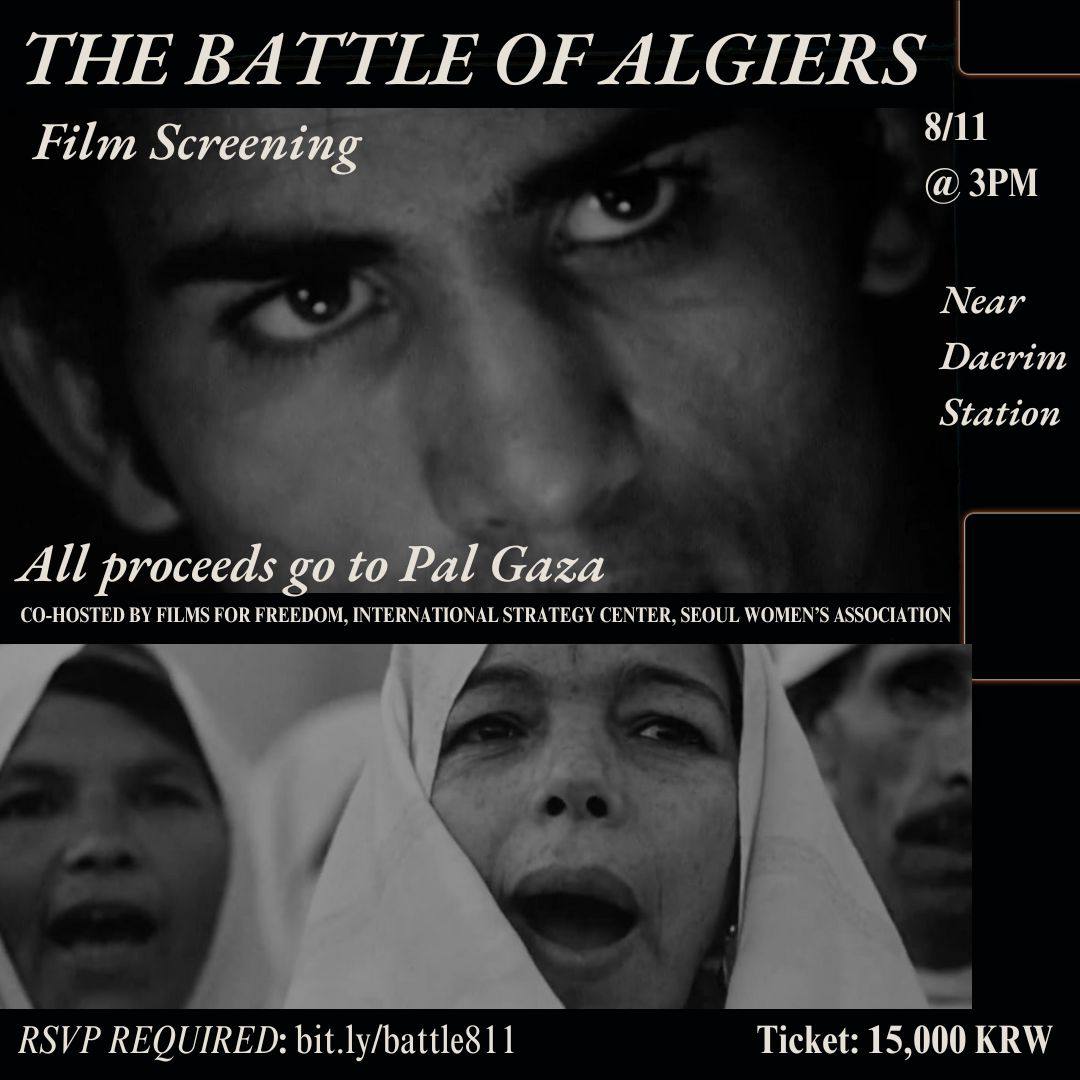
Palestine Solidarity Action |
|
|
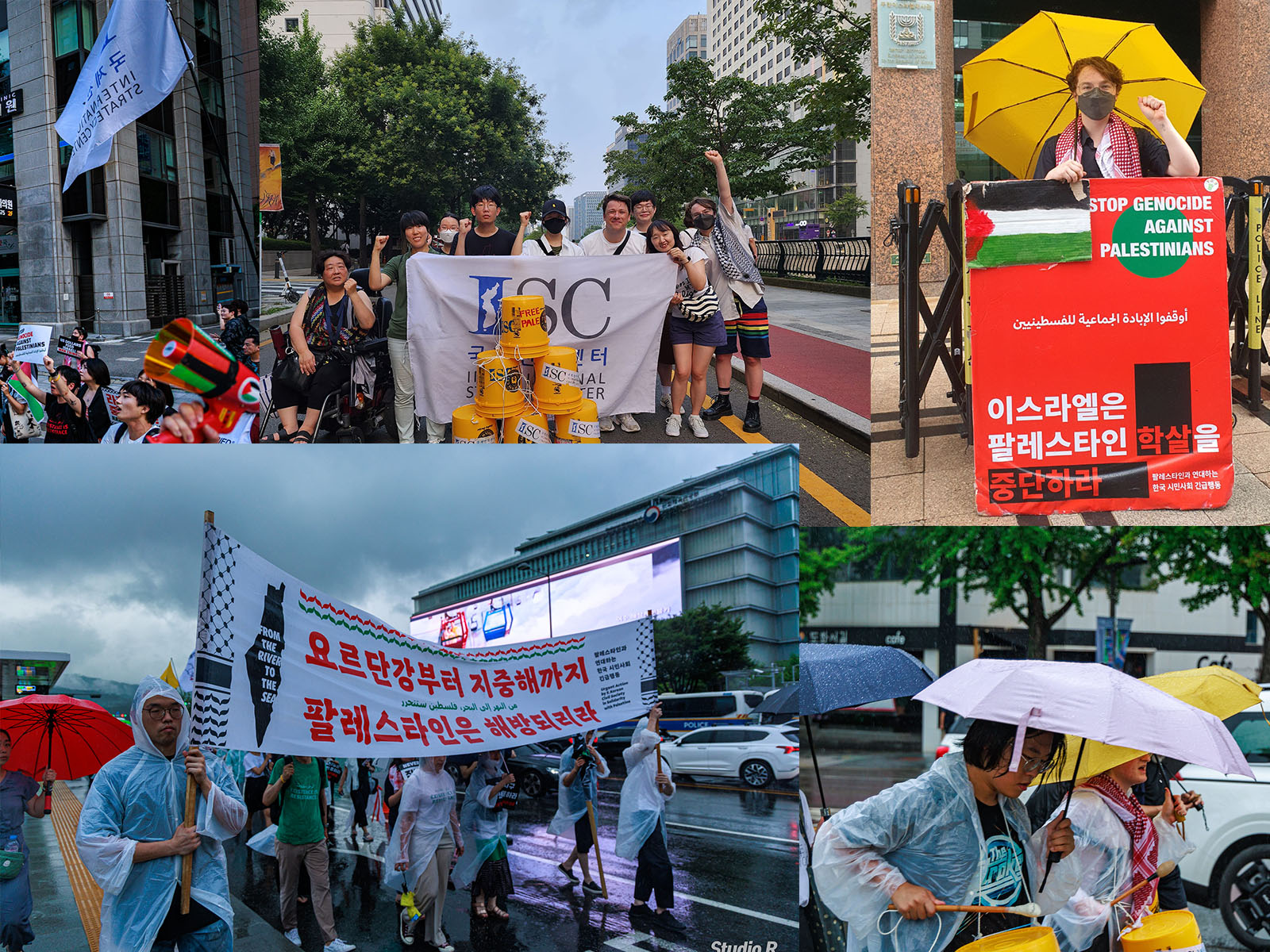
In July, the International Strategy Center had the incredible opportunity to join Palestine solidarity rallies and one-man protests during some of the hottest and wettest days of the year. On the 13th, we braved the heat, and on the 27th, we faced the pouring rain with unwavering determination until our fingers were wrinkled.
ISC's Hanseon and Rory attended a one-man protest in front of the Israeli embassy, which was a completely different experience from collective action. We were largely ignored, but that just meant we had the space to spread our message! The police kept an eye on us, office workers wore custom name badges and walked in and out of the building to get coffee on their breaks, and delivery drivers bustled about in the rain. It was incredible to see such a diverse group of people in a space that symbolizes the indifference of genocide. Nevertheless, we were delighted to see that a few people took notice of us, our picket, and the banner directly in front of us, which read, "A political party that closely resembles Nazi and fascist parties in its organization, methods, political philosophy, and social appeal," citing the work of Albert Einstein and Hannah Arendt. We were thrilled to see that a few showed signs of agreement, and we were pleased that no one challenged or questioned our presence.
On the 27th, just as the Saturday protest began, it began to pour—but that didn't stop anyone! People watched with rapt attention as Palestinian men spoke about what their families were going through, listened to updates on the bombings, Netanyahu's visit to the U.S., and the spread of polio. The rain didn't stop us! We marched, sang, and resisted with unwavering spirit. There is still a massacre going on in Gaza, but it is rarely shown in our mainstream media. But we know it is happening, and we know that it will end! Because of the people who stand with Gaza from around the world, and because of them, and because of the people who stand with us at home, 76 years of colonization will end, and Palestine will be liberated. We will be with you until that day!
|
|
|
2F, 2 Dosin-ro 47-gil, Yeongdeungpo-gu, Seoul International Strategy Center
|
|
|
|
|